10-Day Adriatic Antiquities: Greek Isles & Istanbul

10-Day Adriatic Antiquities: Greek Isles & Istanbul

About This Cruise

Type

Ocean, Premium

Ship

Oosterdam

Departure Date

14 October 2026

Cruise Line

Holland America Line

Duration

10 Nights

Select Your Cabin Type
Select your cabin type
Call Us at 1800 814 008

Itinerary

Greece

Piraeus

It's no wonder that all roads lead to the fascinating and maddening metropolis of Athens. Lift your eyes 200 feet above the city to the Parthenon, its honey-color marble columns rising from a massive limestone base, and you behold architectural perfection that has not been surpassed in 2,500 years. But, today, this shrine of classical form dominates a 21st-century boomtown. To experience Athens—Athína in Greek—fully is to understand the essence of Greece: ancient monuments surviving in a sea of cement, startling beauty amid the squalor, tradition juxtaposed with modernity. Locals depend on humor and flexibility to deal with the chaos; you should do the same. The rewards are immense. Although Athens covers a huge area, the major landmarks of the ancient Greek, Roman, and Byzantine periods are close to the modern city center. You can easily walk from the Acropolis to many other key sites, taking time to browse in shops and relax in cafés and tavernas along the way. From many quarters of the city you can glimpse "the glory that was Greece" in the form of the Acropolis looming above the horizon, but only by actually climbing that rocky precipice can you feel the impact of the ancient settlement. The Acropolis and Filopappou, two craggy hills sitting side by side; the ancient Agora (marketplace); and Kerameikos, the first cemetery, form the core of ancient and Roman Athens. Along the Unification of Archaeological Sites promenade, you can follow stone-paved, tree-lined walkways from site to site, undisturbed by traffic. Cars have also been banned or reduced in other streets in the historical center. In the National Archaeological Museum, vast numbers of artifacts illustrate the many millennia of Greek civilization; smaller museums such as the Goulandris Museum of Cycladic Art Museum and the Byzantine and Christian Museum illuminate the history of particular regions or periods. Athens may seem like one huge city, but it is really a conglomeration of neighborhoods with distinctive characters. The Eastern influences that prevailed during the 400-year rule of the Ottoman Empire are still evident in Monastiraki, the bazaar area near the foot of the Acropolis. On the northern slope of the Acropolis, stroll through Plaka (if possible by moonlight), an area of tranquil streets lined with renovated mansions, to get the flavor of the 19th-century's gracious lifestyle. The narrow lanes of Anafiotika, a section of Plaka, thread past tiny churches and small, color-washed houses with wooden upper stories, recalling a Cycladic island village. In this maze of winding streets, vestiges of the older city are everywhere: crumbling stairways lined with festive tavernas; dank cellars filled with wine vats; occasionally a court or diminutive garden, enclosed within high walls and filled with magnolia trees and the flaming trumpet-shaped flowers of hibiscus bushes. Formerly run-down old quarters, such as Thission, Gazi and Psirri, popular nightlife areas filled with bars and mezedopoleia (similar to tapas bars), are now in the process of gentrification, although they still retain much of their original charm, as does the colorful produce and meat market on Athinas. The area around Syntagma Square, the tourist hub, and Omonia Square, the commercial heart of the city about 1 km (½ mi) northwest, is distinctly European, having been designed by the court architects of King Otho, a Bavarian, in the 19th century. The chic shops and bistros of ritzy Kolonaki nestle at the foot of Mt. Lycabettus, Athens's highest hill (909 feet). Each of Athens's outlying suburbs has a distinctive character: in the north is wealthy, tree-lined Kifissia, once a summer resort for aristocratic Athenians, and in the south and southeast lie Glyfada, Voula, and Vouliagmeni, with their sandy beaches, seaside bars, and lively summer nightlife. Just beyond the city's southern fringes is Piraeus, a bustling port city of waterside fish tavernas and Saronic Gulf views.

Greece

Mykonos

Although the fishing boats still go out in good weather, Mykonos largely makes its living from tourism these days. The summer crowds have turned one of the poorest islands in Greece into one of the richest. Old Mykonians complain that their young, who have inherited stores where their grandfathers once sold eggs or wine, get so much rent that they have lost ambition, and in summer sit around pool bars at night with their friends, and hang out in Athens in winter when island life is less scintillating. Put firmly on the map by Jackie O in the 1960s, Mykonos town—called Hora by the locals—remains the Saint-Tropez of the Greek islands. The scenery is memorable, with its whitewashed streets, Little Venice, the Kato Myli ridge of windmills, and Kastro, the town's medieval quarter. Its cubical two- or three-story houses and churches, with their red or blue doors and domes and wooden balconies, have been long celebrated as some of the best examples of classic Cycladic architecture. Luckily, the Greek Archaeological Service decided to preserve the town, even when the Mykonians would have preferred to rebuild, and so the Old Town has been impressively preserved. Pink oleander, scarlet hibiscus, and trailing green pepper trees form a contrast amid the dazzling whiteness, whose frequent renewal with whitewash is required by law. Any visitor who has the pleasure of getting lost in its narrow streets (made all the narrower by the many outdoor stone staircases, which maximize housing space in the crowded village) will appreciate how its confusing layout was designed to foil pirates—if it was designed at all. After Mykonos fell under Turkish rule in 1537, the Ottomans allowed the islanders to arm their vessels against pirates, which had a contradictory effect: many of them found that raiding other islands was more profitable than tilling arid land. At the height of Aegean piracy, Mykonos was the principal headquarters of the corsair fleets—the place where pirates met their fellows, found willing women, and filled out their crews. Eventually the illicit activity evolved into a legitimate and thriving trade network. Morning on Mykonos town's main quay is busy with deliveries, visitors for the Delos boats, lazy breakfasters, and street cleaners dealing with the previous night's mess. In late morning the cruise-boat people arrive, and the shops are all open. In early afternoon, shaded outdoor tavernas are full of diners eating salads (Mykonos's produce is mostly imported); music is absent or kept low. In mid- and late afternoon, the town feels sleepy, since so many people are at the beach, on excursions, or sleeping in their air-conditioned rooms; even some tourist shops close for siesta. By sunset, people have come back from the beach, having taken their showers and rested. At night, the atmosphere in Mykonos ramps up. The cruise-boat people are mostly gone, coughing three-wheelers make no deliveries in the narrow streets, and everyone is dressed sexy for summer and starting to shimmy with the scene. Many shops stay open past midnight, the restaurants fill up, and the bars and discos make ice cubes as fast as they can. Ready to dive in? Begin your tour of Mykonos town (Hora) by starting out at its heart: Mando Mavrogenous Square.

Turkey

Istanbul

The only city in the world that can lay claim to straddling two continents, Istanbul—once known as Constantinople, capital of the Byzantine and then the Ottoman Empire—has for centuries been a bustling metropolis with one foot in Europe and the other in Asia. Istanbul embraces this enviable position with both a certain chaos and inventiveness, ever evolving as one of the world’s most cosmopolitan crossroads. It’s often said that Istanbul is the meeting point of East and West, but visitors to this city built over the former capital of two great empires are likely to be just as impressed by the juxtaposition of old and new. Office towers creep up behind historic palaces, women in chic designer outfits pass others wearing long skirts and head coverings, peddlers’ pushcarts vie with battered old Fiats and shiny BMWs for dominance of the noisy, narrow streets, and the Grand Bazaar competes with modern shopping malls. At dawn, when the muezzin's call to prayer resounds from ancient minarets, there are inevitably a few hearty revelers still making their way home from nightclubs and bars. Most visitors to this sprawling city of more than 14 million will first set foot in the relatively compact Old City, where the legacy of the Byzantine and Ottoman empires can be seen in monumental works of architecture like the brilliant Aya Sofya and the beautifully proportioned mosques built by the great architect Sinan. Though it would be easy to spend days, if not weeks, exploring the wealth of attractions in the historical peninsula, visitors should make sure also to venture elsewhere in order to experience the vibrancy of contemporary Istanbul. With a lively nightlife propelled by its young population and an exciting arts scene that’s increasingly on the international radar—thanks in part to its stint as the European Capital of Culture in 2010—Istanbul is truly a city that never sleeps. It’s also a place where visitors will feel welcome: Istanbul may be on the Bosphorus, but at heart it’s a Mediterranean city, whose friendly inhabitants are effusively social and eager to share what they love most about it.

Turkey

Istanbul

The only city in the world that can lay claim to straddling two continents, Istanbul—once known as Constantinople, capital of the Byzantine and then the Ottoman Empire—has for centuries been a bustling metropolis with one foot in Europe and the other in Asia. Istanbul embraces this enviable position with both a certain chaos and inventiveness, ever evolving as one of the world’s most cosmopolitan crossroads. It’s often said that Istanbul is the meeting point of East and West, but visitors to this city built over the former capital of two great empires are likely to be just as impressed by the juxtaposition of old and new. Office towers creep up behind historic palaces, women in chic designer outfits pass others wearing long skirts and head coverings, peddlers’ pushcarts vie with battered old Fiats and shiny BMWs for dominance of the noisy, narrow streets, and the Grand Bazaar competes with modern shopping malls. At dawn, when the muezzin's call to prayer resounds from ancient minarets, there are inevitably a few hearty revelers still making their way home from nightclubs and bars. Most visitors to this sprawling city of more than 14 million will first set foot in the relatively compact Old City, where the legacy of the Byzantine and Ottoman empires can be seen in monumental works of architecture like the brilliant Aya Sofya and the beautifully proportioned mosques built by the great architect Sinan. Though it would be easy to spend days, if not weeks, exploring the wealth of attractions in the historical peninsula, visitors should make sure also to venture elsewhere in order to experience the vibrancy of contemporary Istanbul. With a lively nightlife propelled by its young population and an exciting arts scene that’s increasingly on the international radar—thanks in part to its stint as the European Capital of Culture in 2010—Istanbul is truly a city that never sleeps. It’s also a place where visitors will feel welcome: Istanbul may be on the Bosphorus, but at heart it’s a Mediterranean city, whose friendly inhabitants are effusively social and eager to share what they love most about it.

Turkey

Kusadasi

Whilst the busy resort town of Kusadasi offers much in the way of shopping and dining – not to mention a flourishing beach life scene, the real jewel here is Ephesus and the stunning ruined city that really take centre stage. With only 20% of the classical ruins having been excavated, this archaeological wonder has already gained the status as Europe’s most complete classical metropolis. And a metropolis it really is; built in the 10th century BC this UNESCO World Heritage site is nothing short of spectacular. Although regrettably very little remains of the Temple of Artemis (one of the seven wonders of the ancient world), the superb Library of Celsus’ façade is practically intact and it is one of life’s great joys to attend an evening performance in the illuminated ruins once all the tourists have left. The history of the city is fascinating and multi-layered and it is well worth reading up on this beforehand if a visit is planned. Another point of interest for historians would be the house of the Virgin Mary, located on the romantically named Mount Nightingale and just nine kilometres away from Ephesus proper. Legend has it that Mary (along with St. John) spent her final years here, secluded from the rest of the population, spreading Christianity. An edifying experience, even for non-believers. For the less historical minded amongst you, Kusadasi offers plenty in the way of activities. After a stroll through the town, jump in a taxi to Ladies’ Beach (men are allowed), sample a Turkish kebap on one of the many beachfront restaurants and enjoy the clement weather. If you do want to venture further afield, then the crystal clear beaches of Guzelcamli (or the Millipark), the cave of Zeus and the white scalloped natural pools at Pamukkale, known as Cleopatra’s pools, are definitely worth a visit.

Greece

Kos

No summary for this day yet.

Greece

Rhodes

Early travelers described Rhodes as a town of two parts: a castle or high town (Collachium) and a lower city. Today Rhodes town—sometimes referred to as Ródos town—is still a city of two parts: the Old Town, a UNESCO World Heritage site that incorporates the high town and lower city, and the modern metropolis, or New Town, spreading away from the walls that encircle the Old Town. The narrow streets of the Old Town are for the most part closed to cars and are lined with Orthodox and Catholic churches, Turkish houses (some of which follow the ancient orthogonal plan), and medieval public buildings with exterior staircases and facades elegantly constructed of well-cut limestone from Lindos. Careful reconstruction in recent years has enhanced the harmonious effect.

Greece

Piraeus

It's no wonder that all roads lead to the fascinating and maddening metropolis of Athens. Lift your eyes 200 feet above the city to the Parthenon, its honey-color marble columns rising from a massive limestone base, and you behold architectural perfection that has not been surpassed in 2,500 years. But, today, this shrine of classical form dominates a 21st-century boomtown. To experience Athens—Athína in Greek—fully is to understand the essence of Greece: ancient monuments surviving in a sea of cement, startling beauty amid the squalor, tradition juxtaposed with modernity. Locals depend on humor and flexibility to deal with the chaos; you should do the same. The rewards are immense. Although Athens covers a huge area, the major landmarks of the ancient Greek, Roman, and Byzantine periods are close to the modern city center. You can easily walk from the Acropolis to many other key sites, taking time to browse in shops and relax in cafés and tavernas along the way. From many quarters of the city you can glimpse "the glory that was Greece" in the form of the Acropolis looming above the horizon, but only by actually climbing that rocky precipice can you feel the impact of the ancient settlement. The Acropolis and Filopappou, two craggy hills sitting side by side; the ancient Agora (marketplace); and Kerameikos, the first cemetery, form the core of ancient and Roman Athens. Along the Unification of Archaeological Sites promenade, you can follow stone-paved, tree-lined walkways from site to site, undisturbed by traffic. Cars have also been banned or reduced in other streets in the historical center. In the National Archaeological Museum, vast numbers of artifacts illustrate the many millennia of Greek civilization; smaller museums such as the Goulandris Museum of Cycladic Art Museum and the Byzantine and Christian Museum illuminate the history of particular regions or periods. Athens may seem like one huge city, but it is really a conglomeration of neighborhoods with distinctive characters. The Eastern influences that prevailed during the 400-year rule of the Ottoman Empire are still evident in Monastiraki, the bazaar area near the foot of the Acropolis. On the northern slope of the Acropolis, stroll through Plaka (if possible by moonlight), an area of tranquil streets lined with renovated mansions, to get the flavor of the 19th-century's gracious lifestyle. The narrow lanes of Anafiotika, a section of Plaka, thread past tiny churches and small, color-washed houses with wooden upper stories, recalling a Cycladic island village. In this maze of winding streets, vestiges of the older city are everywhere: crumbling stairways lined with festive tavernas; dank cellars filled with wine vats; occasionally a court or diminutive garden, enclosed within high walls and filled with magnolia trees and the flaming trumpet-shaped flowers of hibiscus bushes. Formerly run-down old quarters, such as Thission, Gazi and Psirri, popular nightlife areas filled with bars and mezedopoleia (similar to tapas bars), are now in the process of gentrification, although they still retain much of their original charm, as does the colorful produce and meat market on Athinas. The area around Syntagma Square, the tourist hub, and Omonia Square, the commercial heart of the city about 1 km (½ mi) northwest, is distinctly European, having been designed by the court architects of King Otho, a Bavarian, in the 19th century. The chic shops and bistros of ritzy Kolonaki nestle at the foot of Mt. Lycabettus, Athens's highest hill (909 feet). Each of Athens's outlying suburbs has a distinctive character: in the north is wealthy, tree-lined Kifissia, once a summer resort for aristocratic Athenians, and in the south and southeast lie Glyfada, Voula, and Vouliagmeni, with their sandy beaches, seaside bars, and lively summer nightlife. Just beyond the city's southern fringes is Piraeus, a bustling port city of waterside fish tavernas and Saronic Gulf views.
Suite

Pinnacle Suite

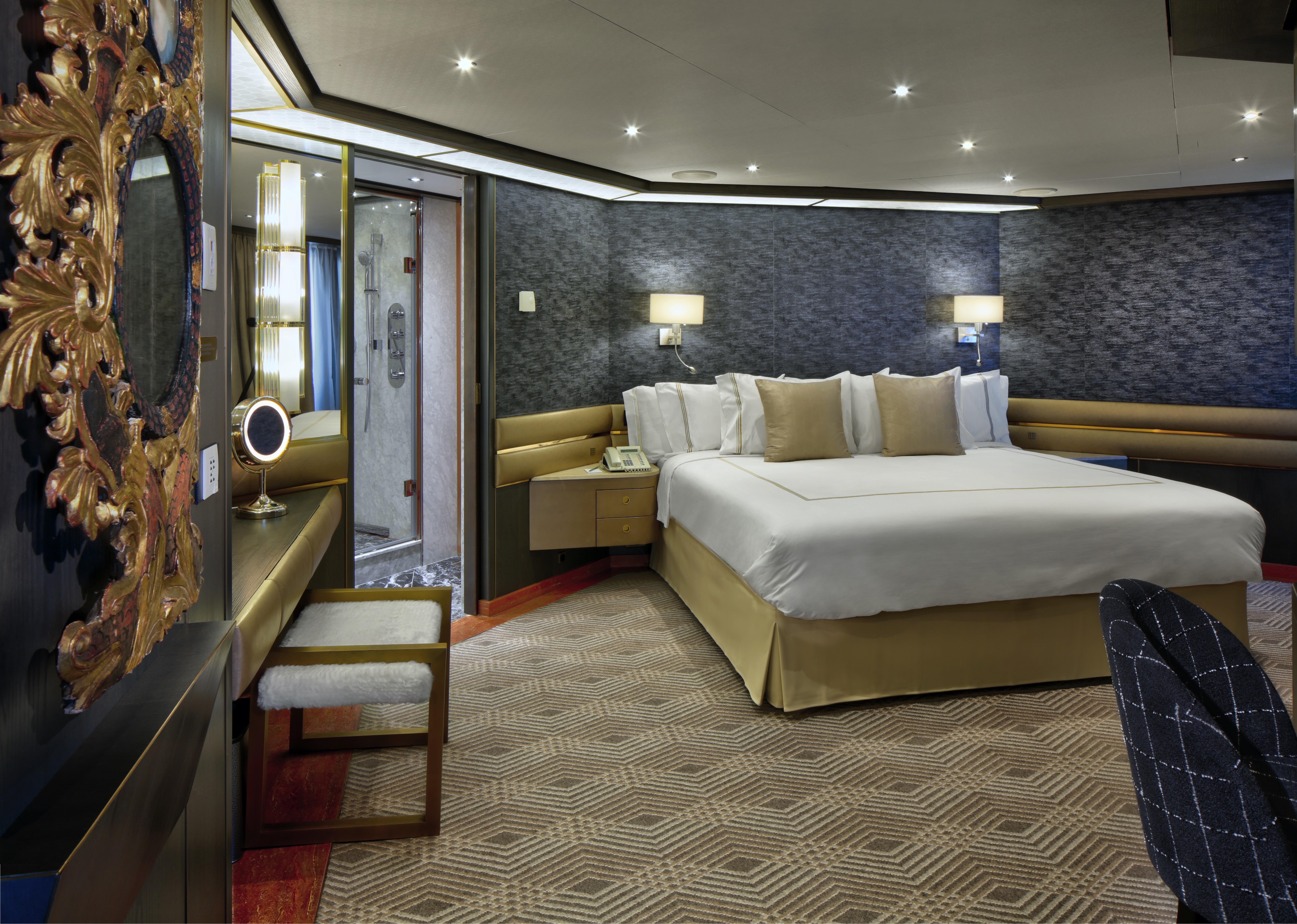
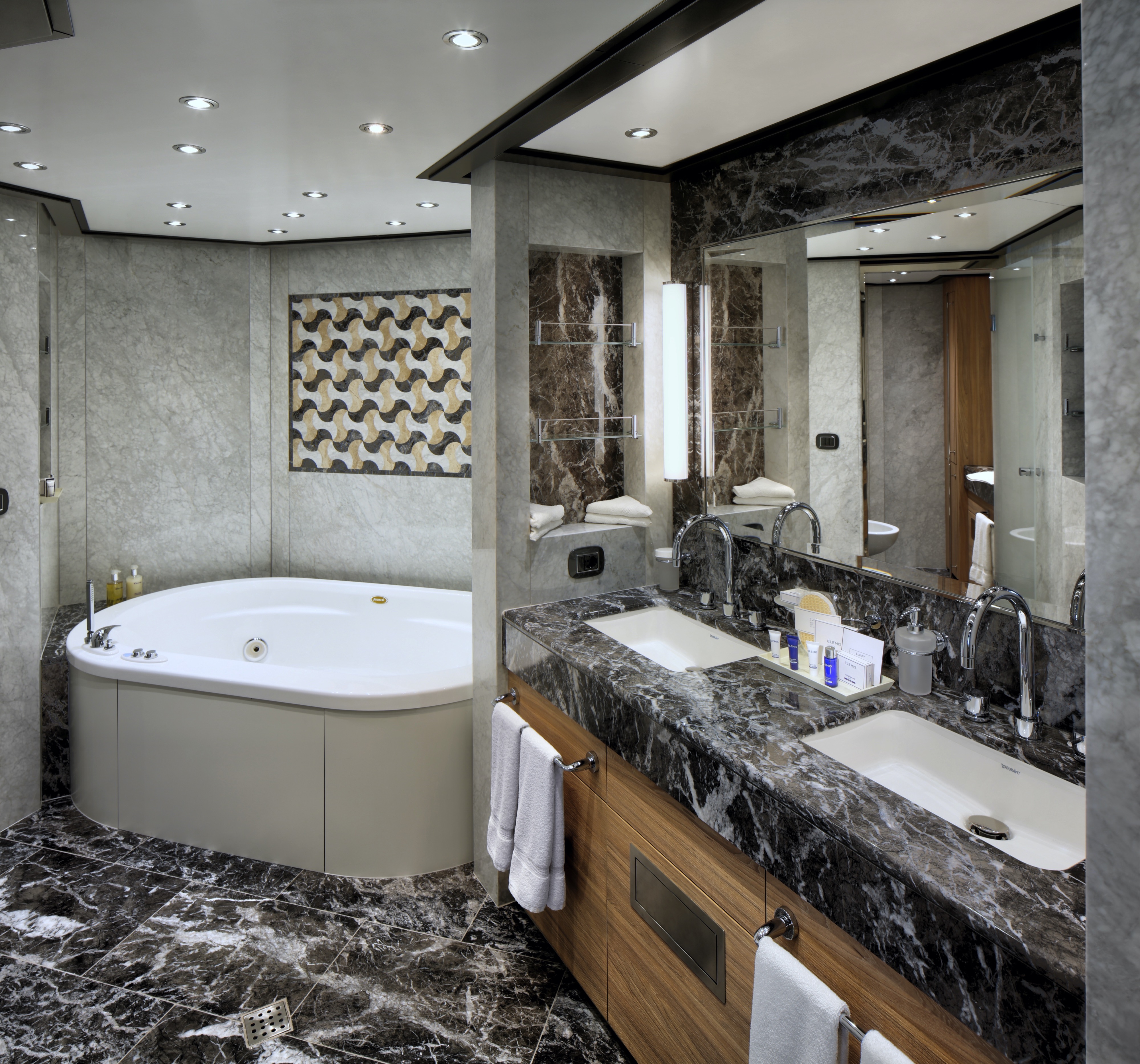
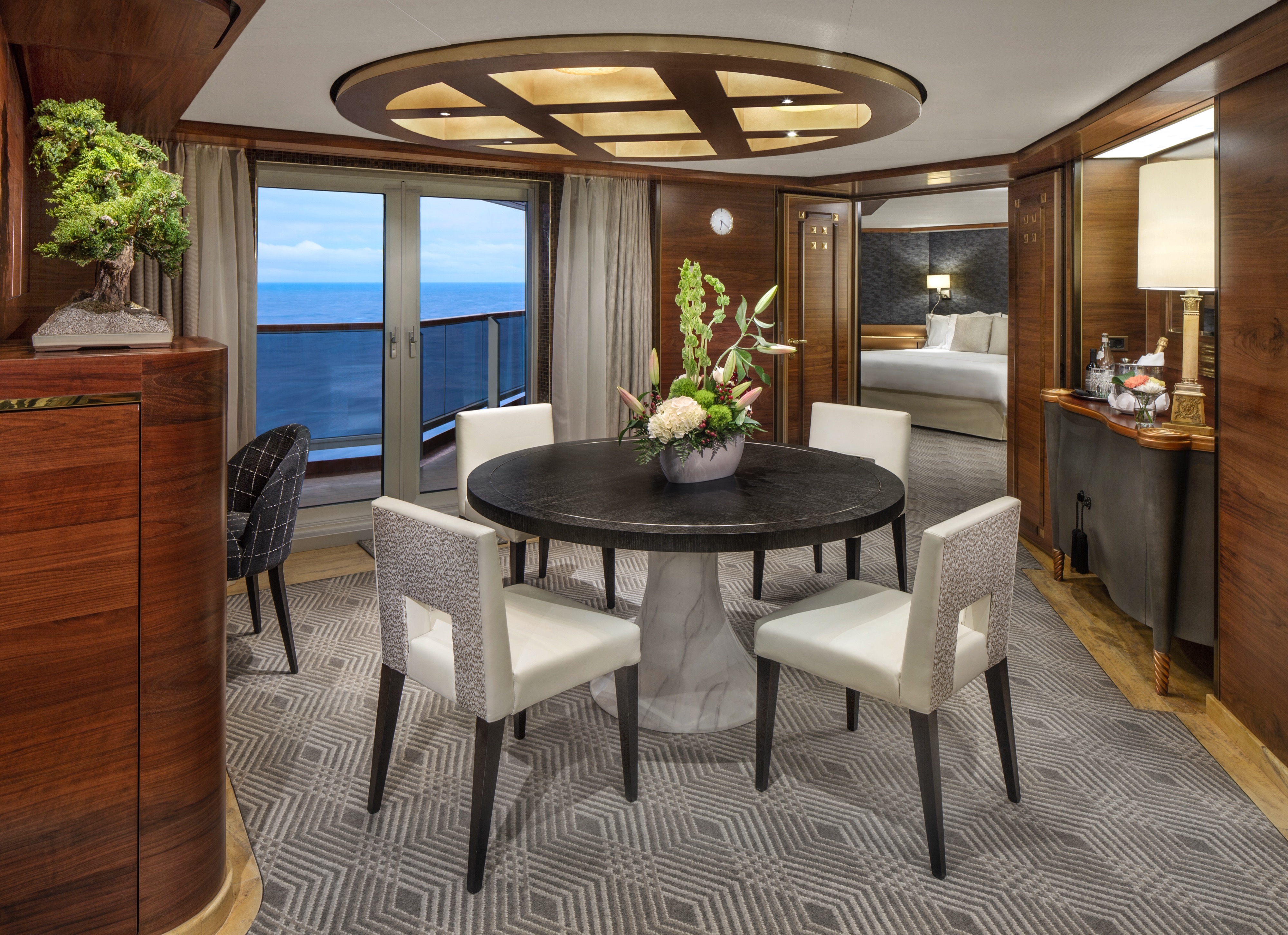
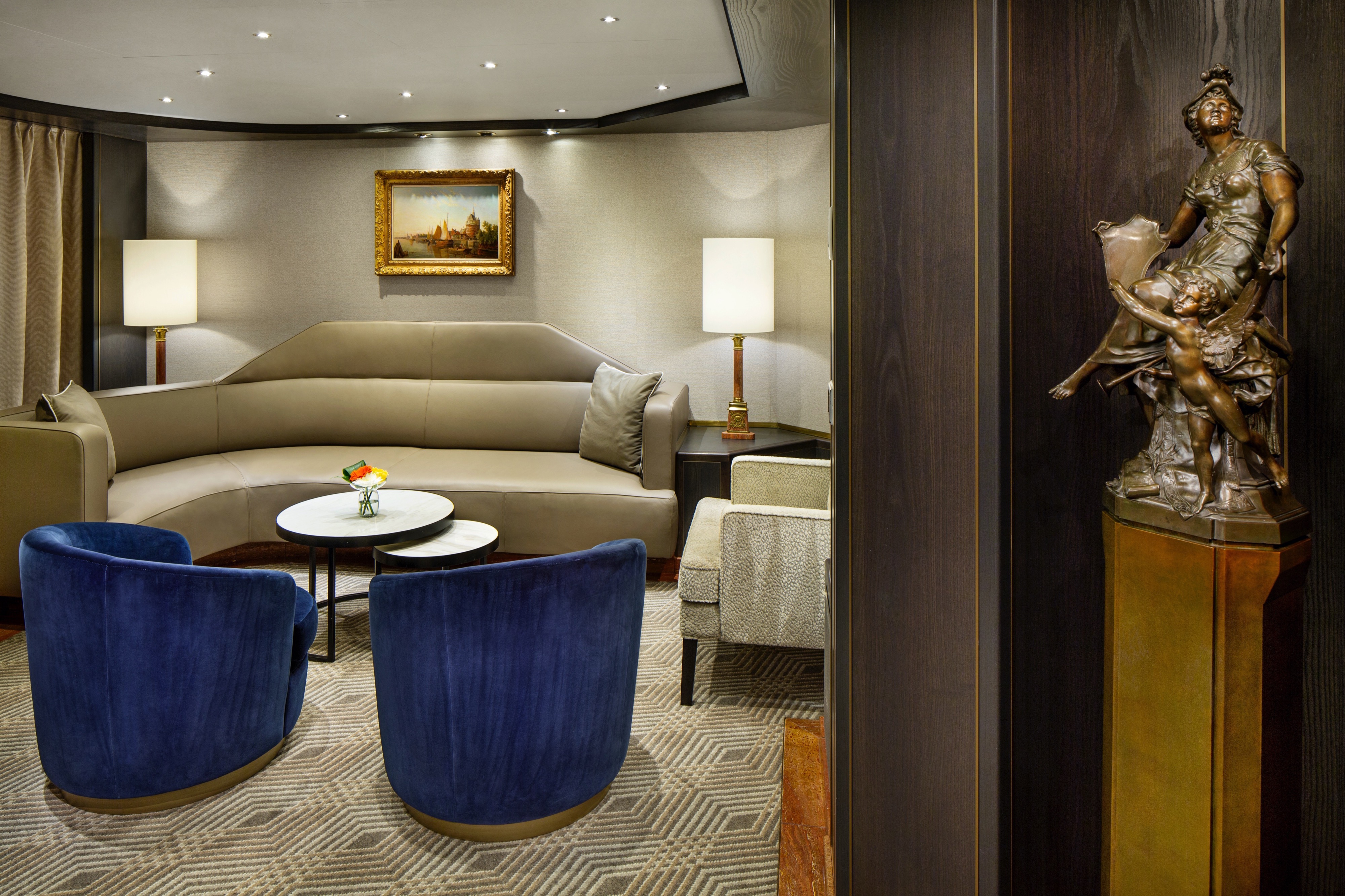
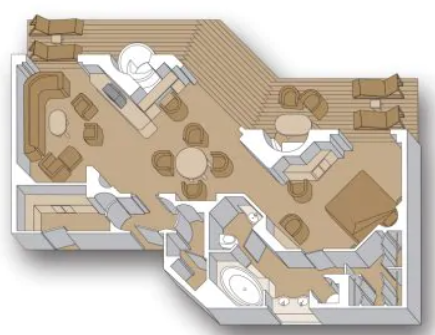
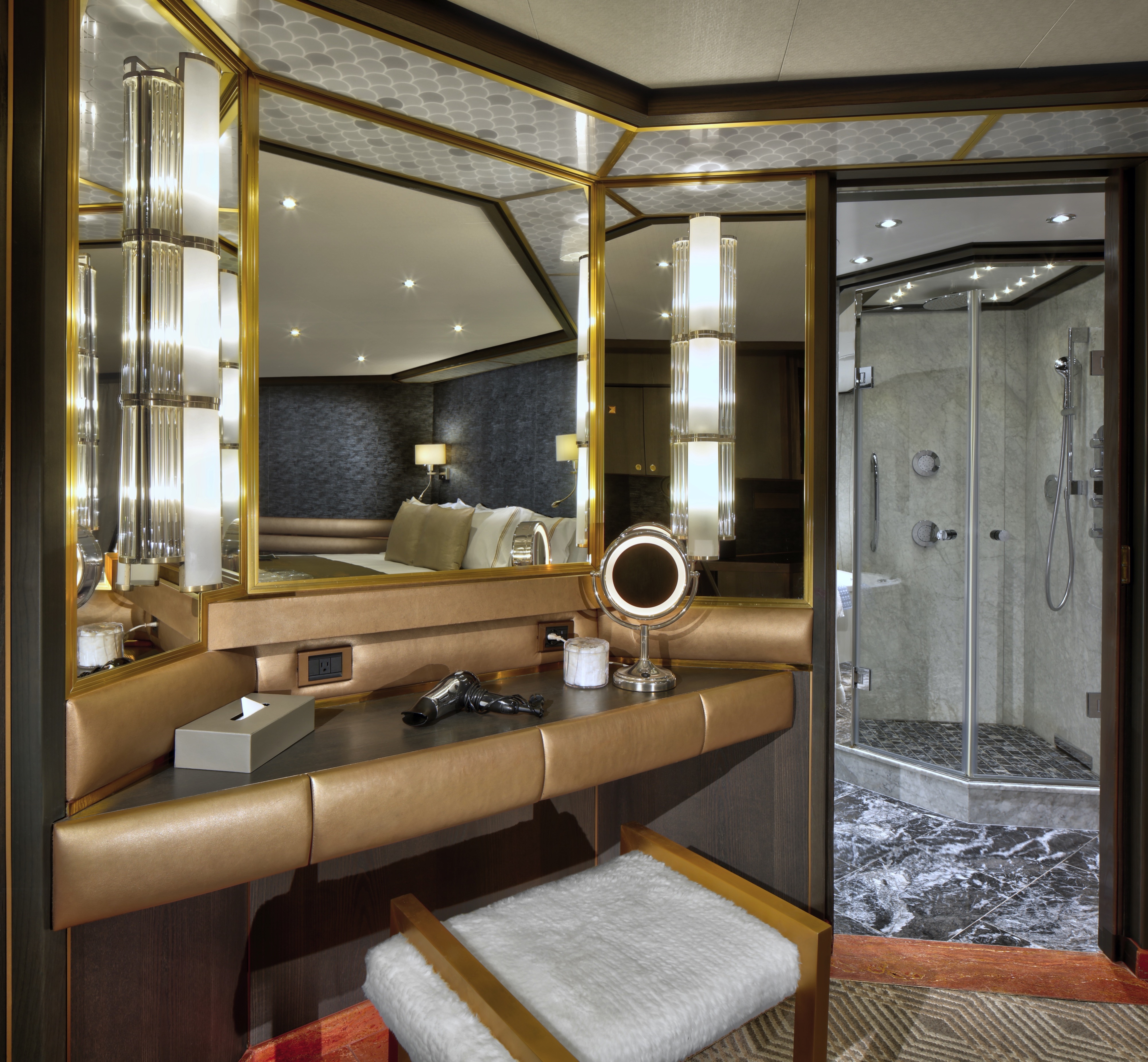
Our premier 1,290 sq. ft. Pinnacle Suite features floor-to-ceiling glass doors, a large private Whirlpool verandah, living, dining, and dressing rooms, and lush sleeping accommodations with luxurious Duxiana® king beds. These elegant suites sleep up to four guests and include a deep soaking tub and an independent, full-size shower stall, dual-sink vanities, and guest toilets.

  • 1,290 sq. ft.
  • Exclusive access to the Neptune Lounge
  • Personal concierge
  • Priority check-in
  • Complimentary laundry service, pressing, and dry cleaning
Suite

Neptune Suite

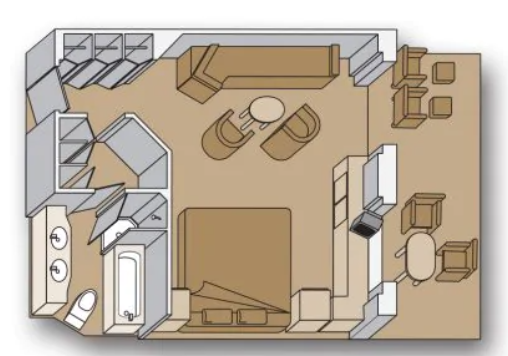
Featuring floor-to-ceiling glass doors, a spacious private verandah, expansive sitting areas, and comfortable sleeping accommodations with Mariner’s Dream™ beds, our 465–502 sq. ft. suite sleeps up to four guests and boasts a deep soaking tub and an independent, full-size shower stall, dual-sink vanities, premium bathrobes, pillow menus, fresh flowers, and binoculars.

  • 465–502 sq. ft.
  • Exclusive use of Neptune Lounge
  • Personal concierge
  • Priority check-in
  • Complimentary laundry service, pressing, and dry cleaning
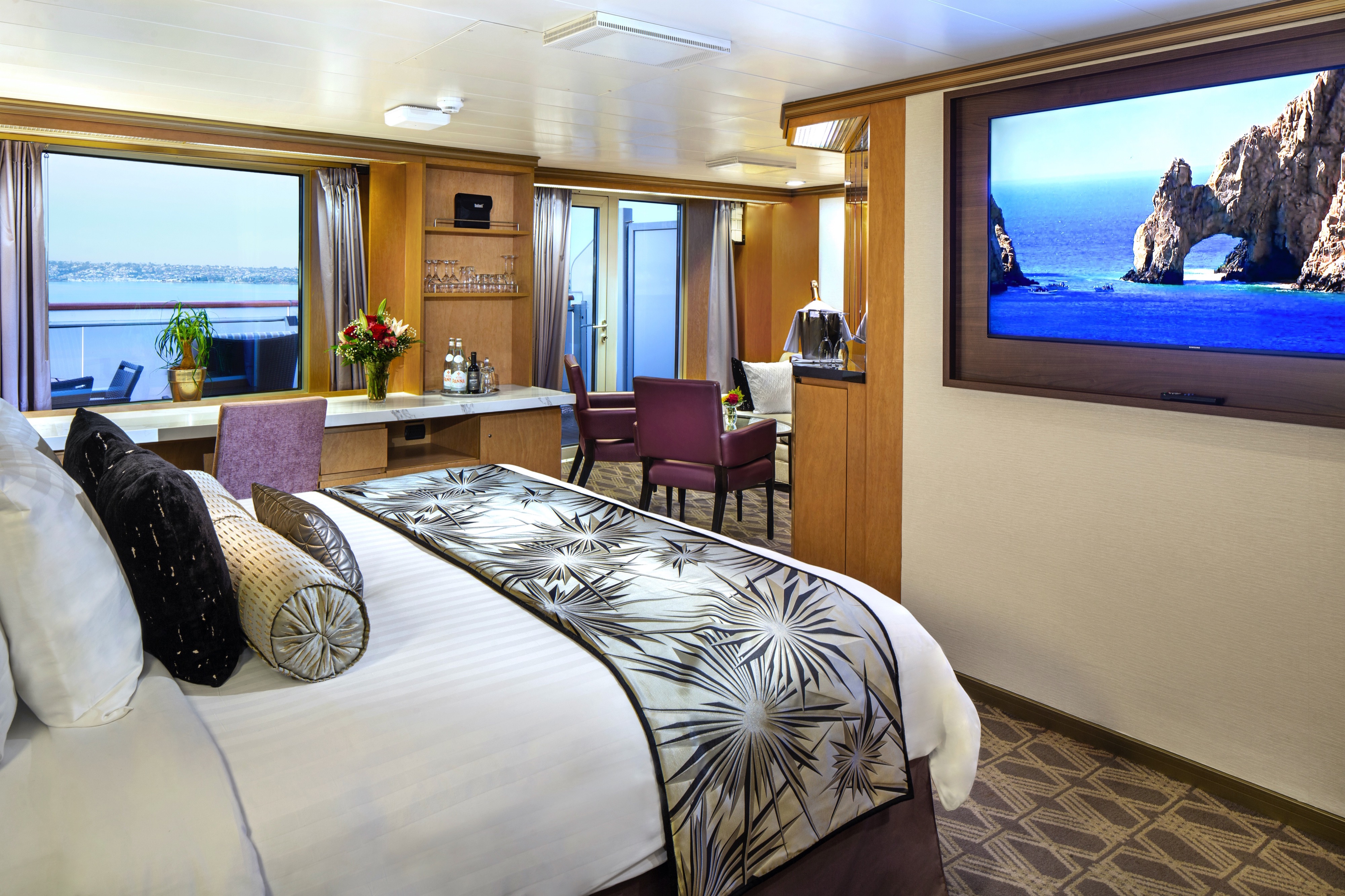
Suite

Signature Suite

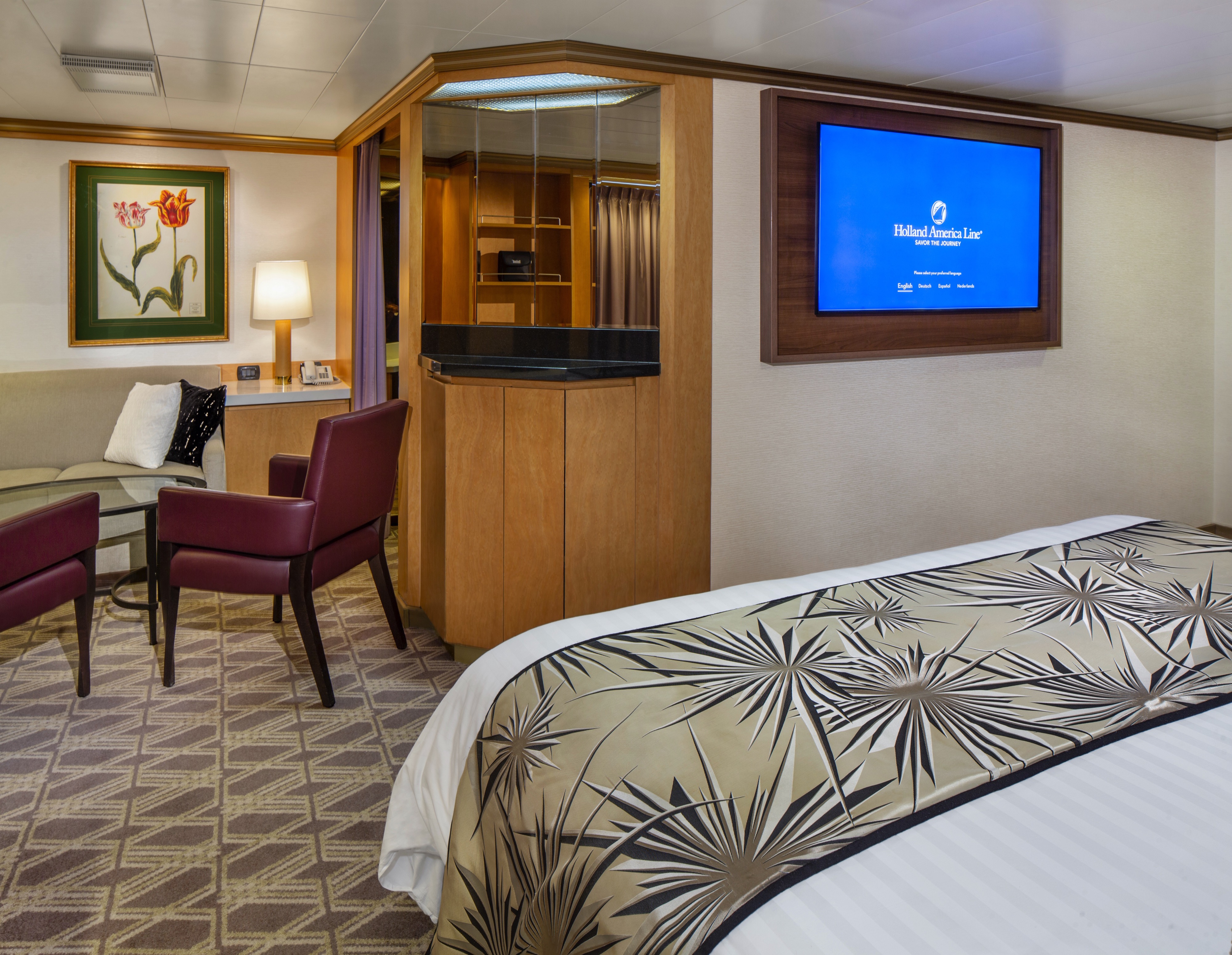
These elegant 393–400 sq. ft. suites feature a sitting area with floor-to-ceiling glass doors overlooking a private verandah. Signature Suites accommodate up to four guests with two beds that convert to a queen- or king-size bed — our signature Mariner’s Dream™ bed, and a Murphy, Pullman, or sofa bed, depending on configuration.

  • 393–400 sq. ft.
  • Full-size Whirlpool bath
  • Refrigerator
  • Set of binoculars

Balcony

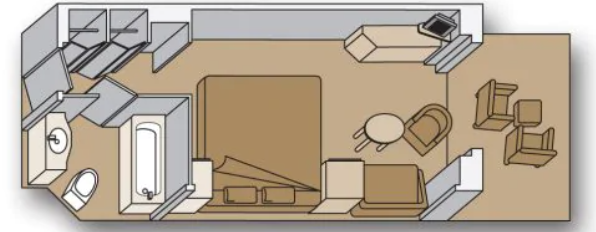
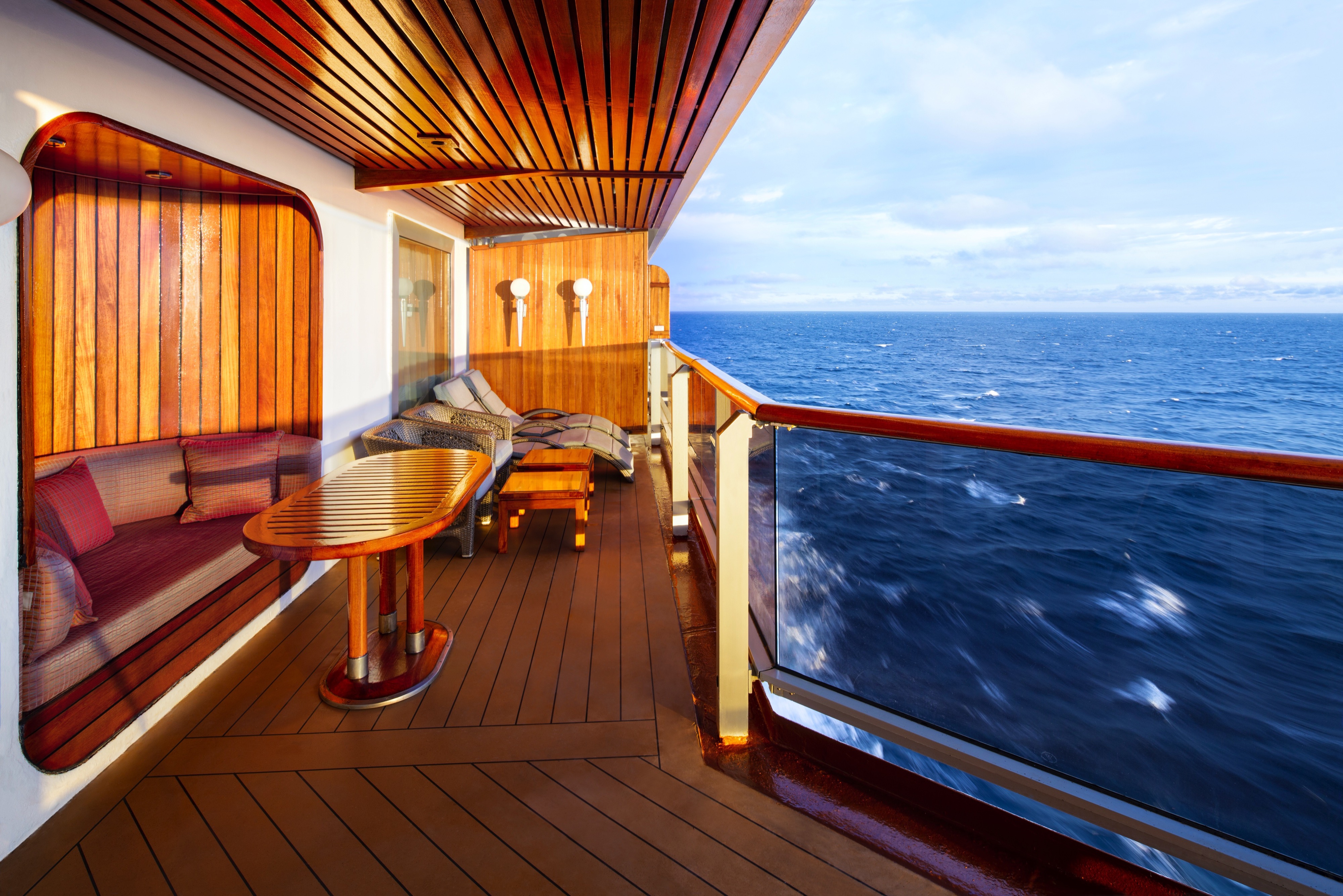
Verandah

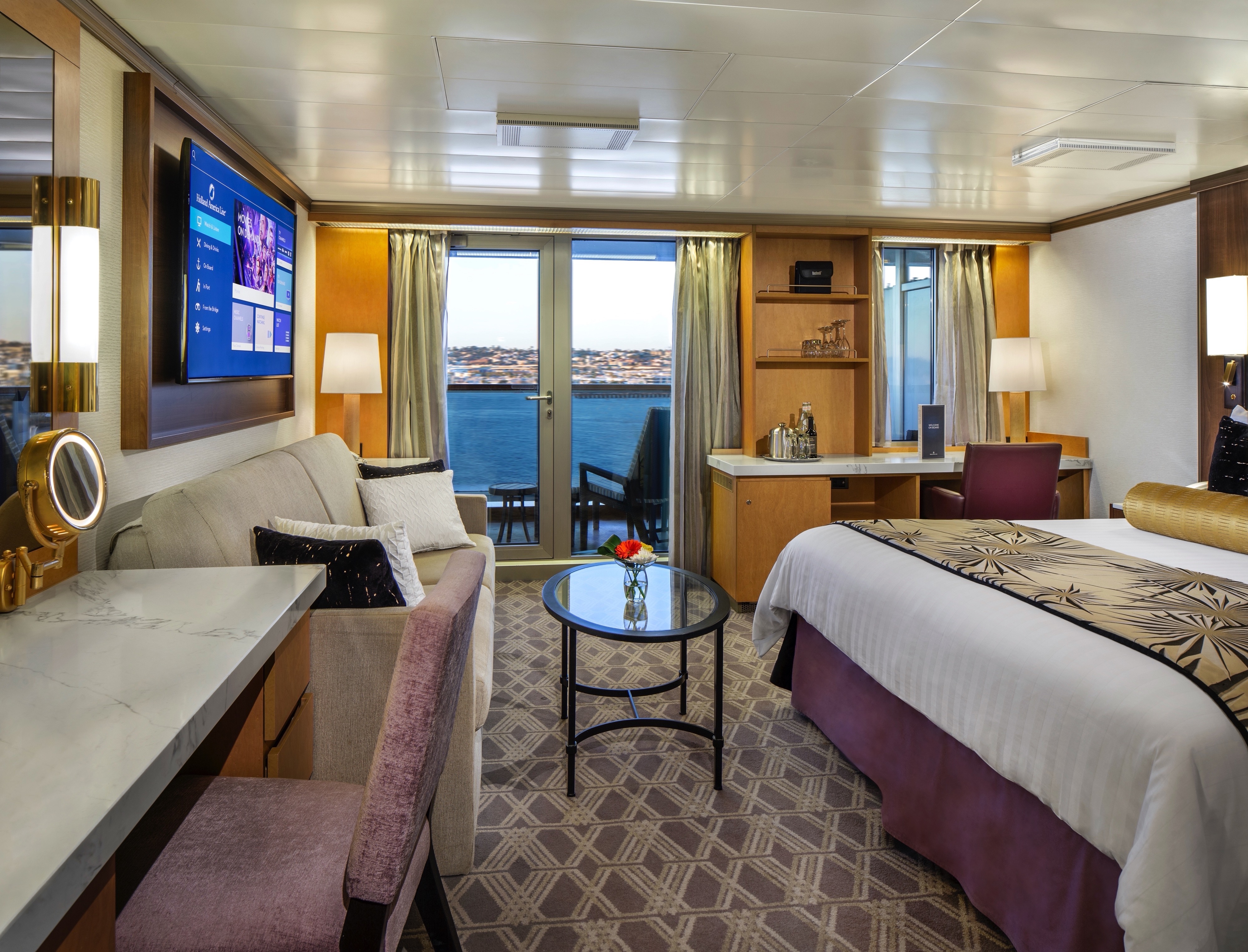
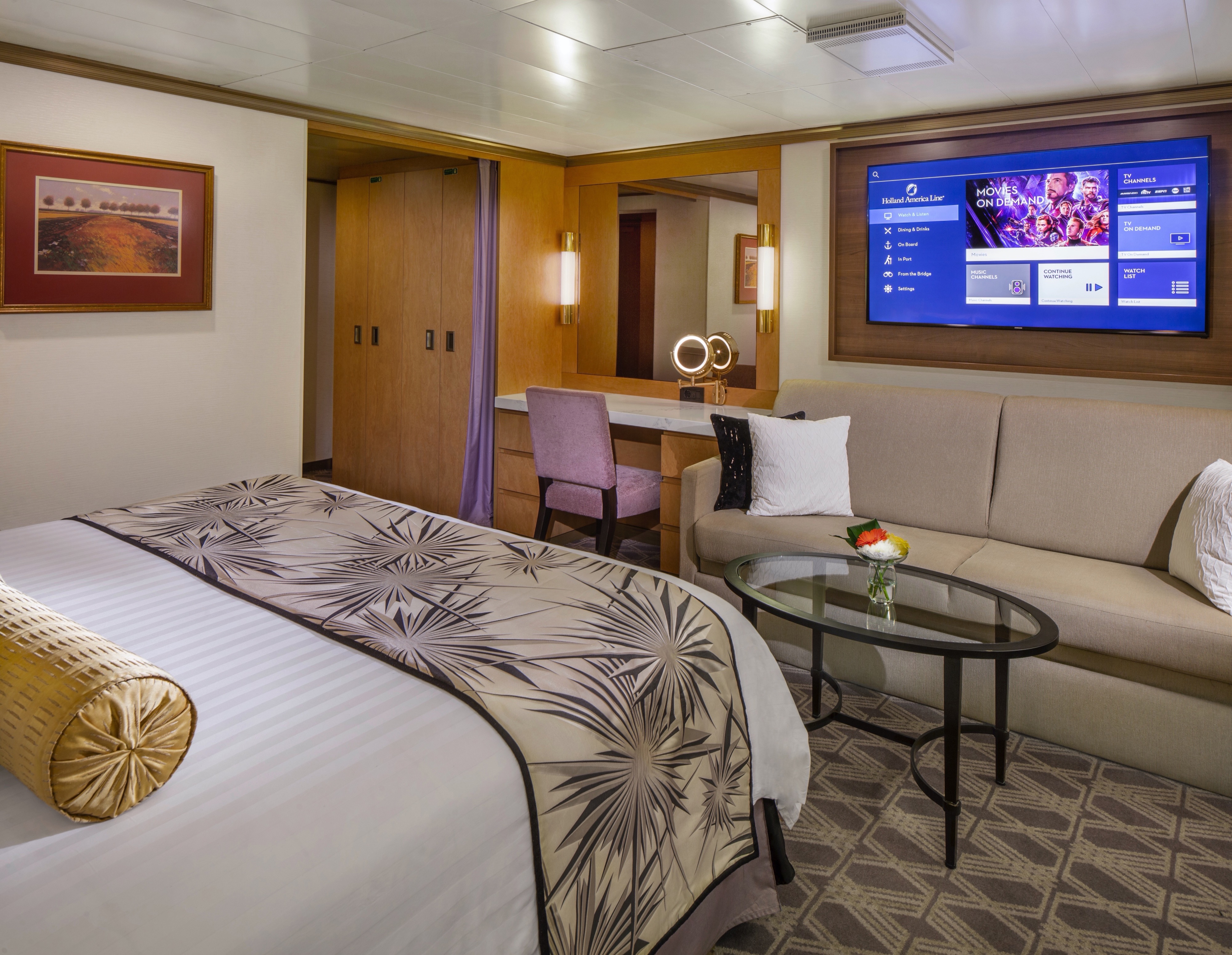
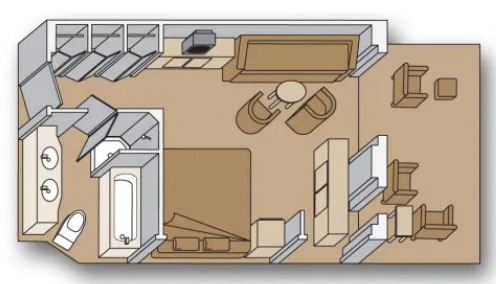
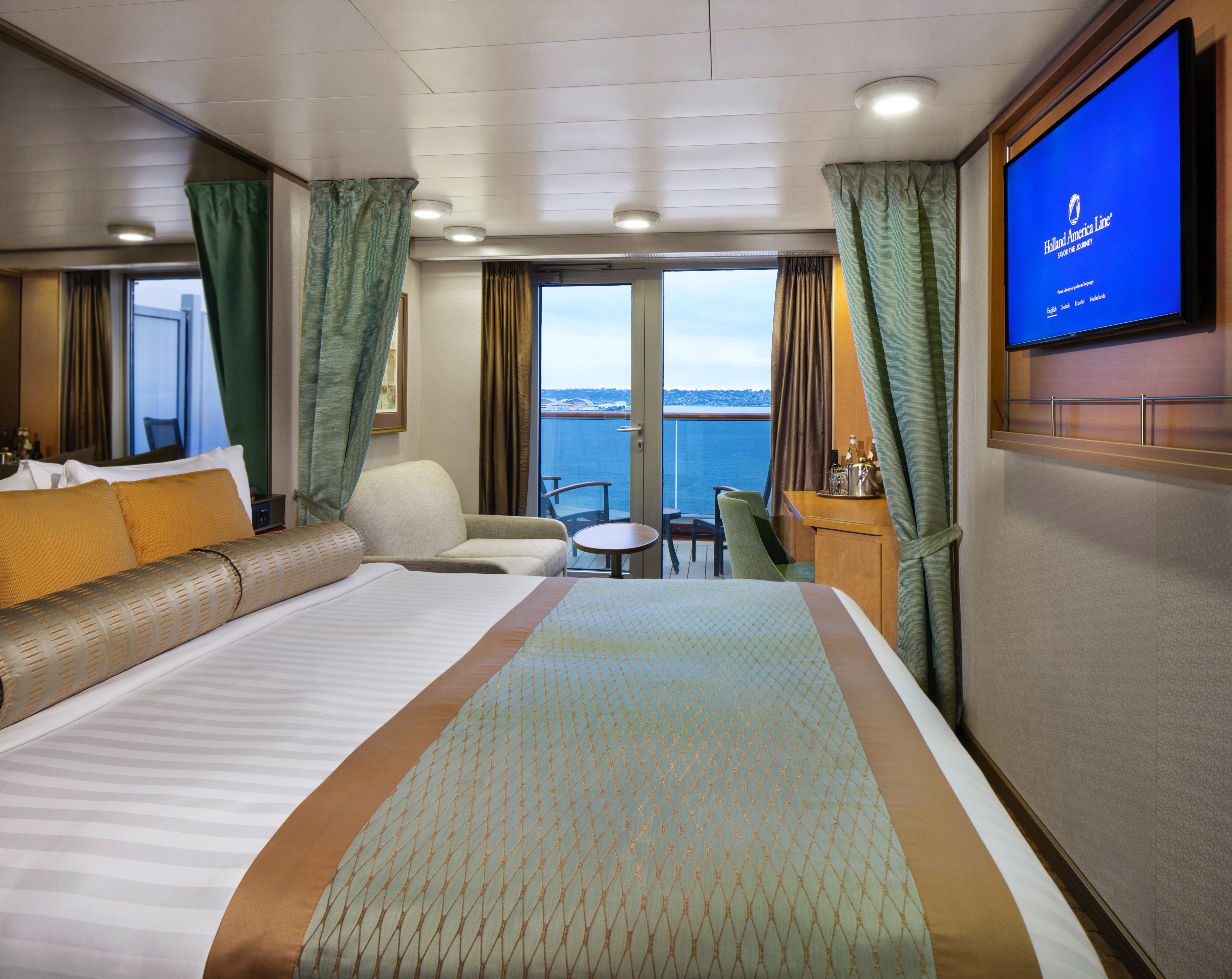
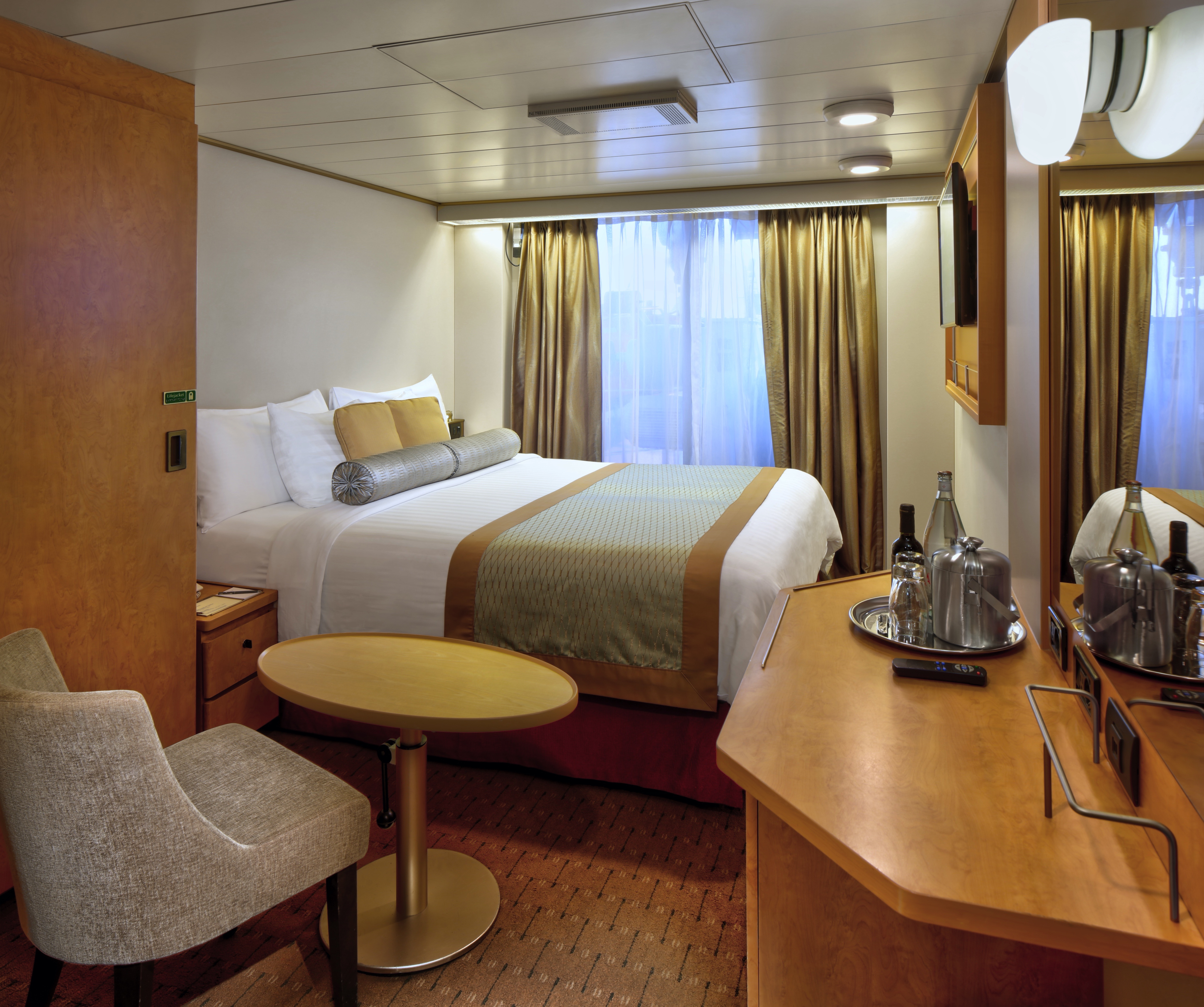
Floor-to-ceiling glass doors lead to your private balcony, infusing these coveted 228–405 sq. ft. staterooms with natural light. Enjoy a private verandah overlooking the ocean, a spacious sitting area for unwinding, and our signature Mariner’s Dream™ bed that can convert from one queen to two beds.
Outside

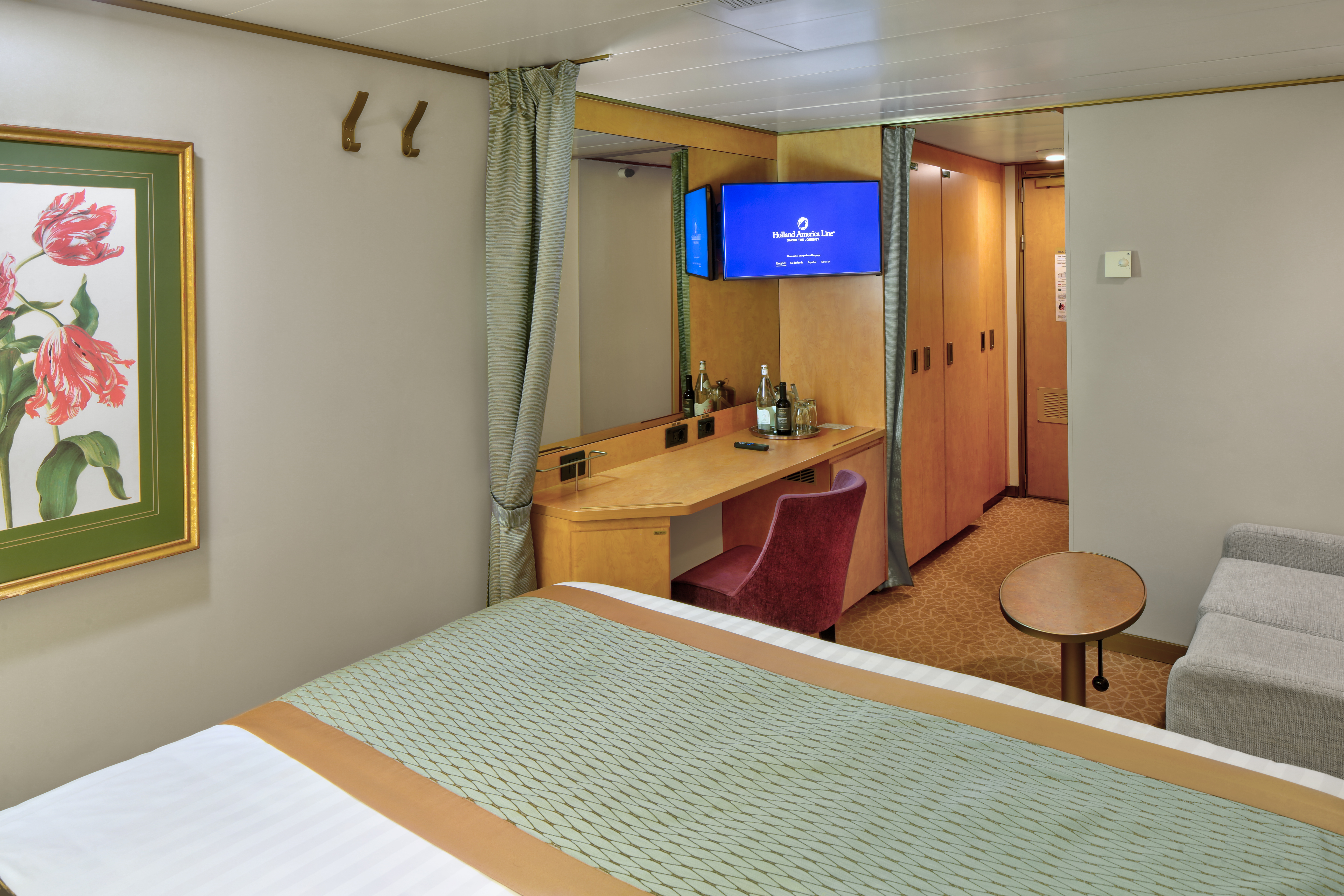
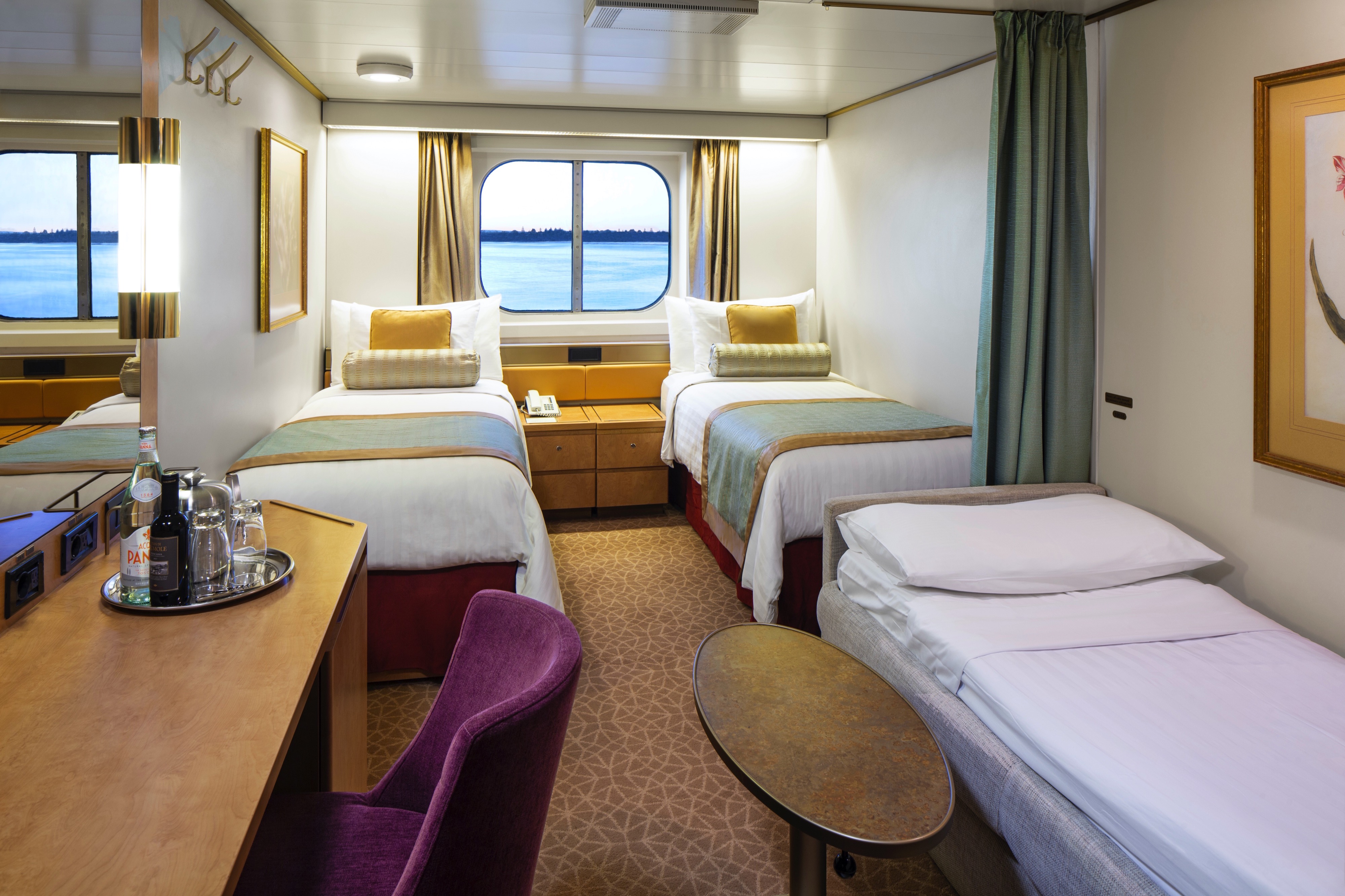
Ocean View

With a view of the ocean through a window or porthole, these expansive staterooms include a sitting area, two beds that convert to one queen-size bed — our signature Mariner's Dream™ bed with plush euro-top mattress — premium massage showerheads, and a host of amenities.
Outside

Partial Sea View

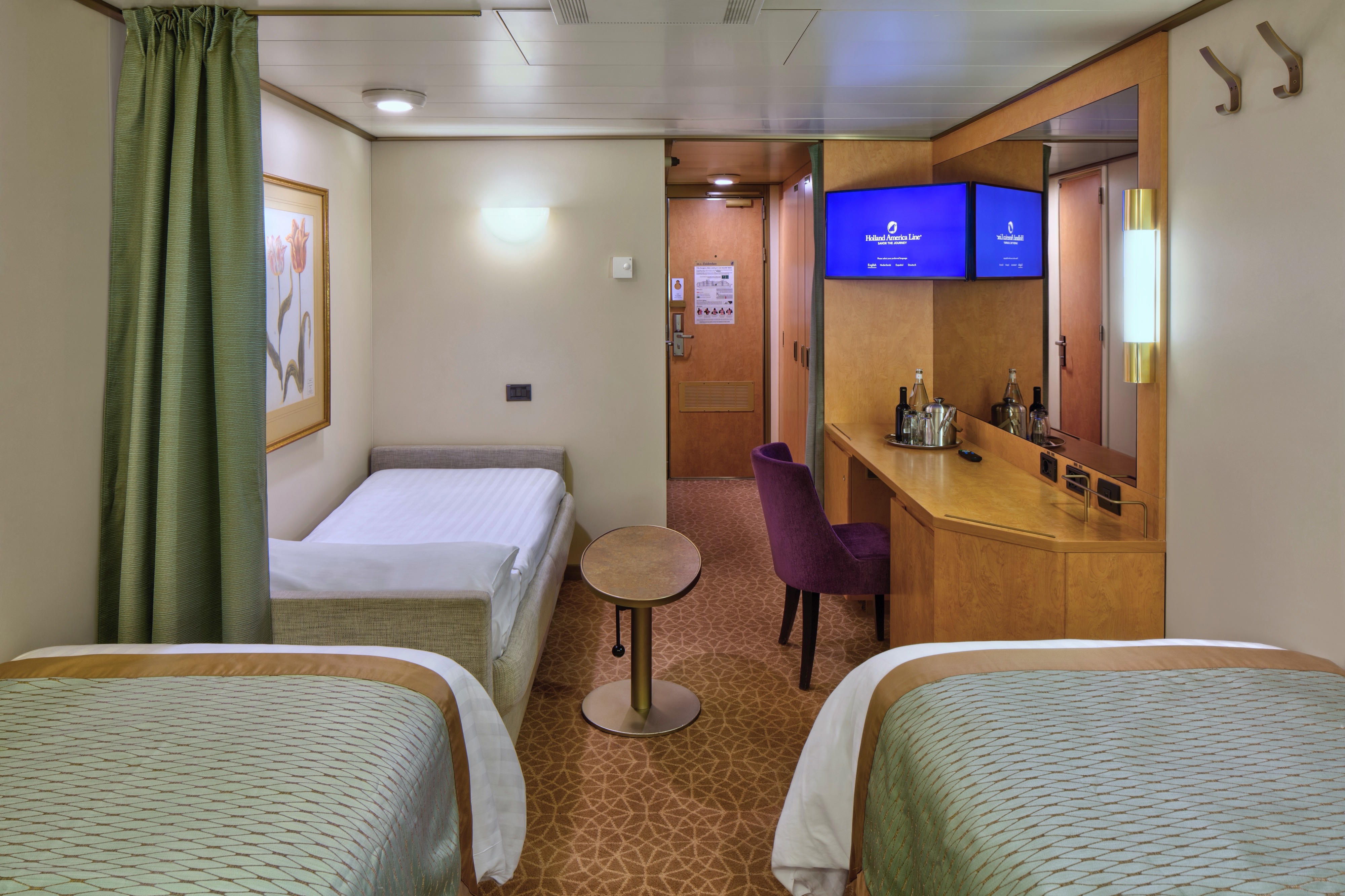
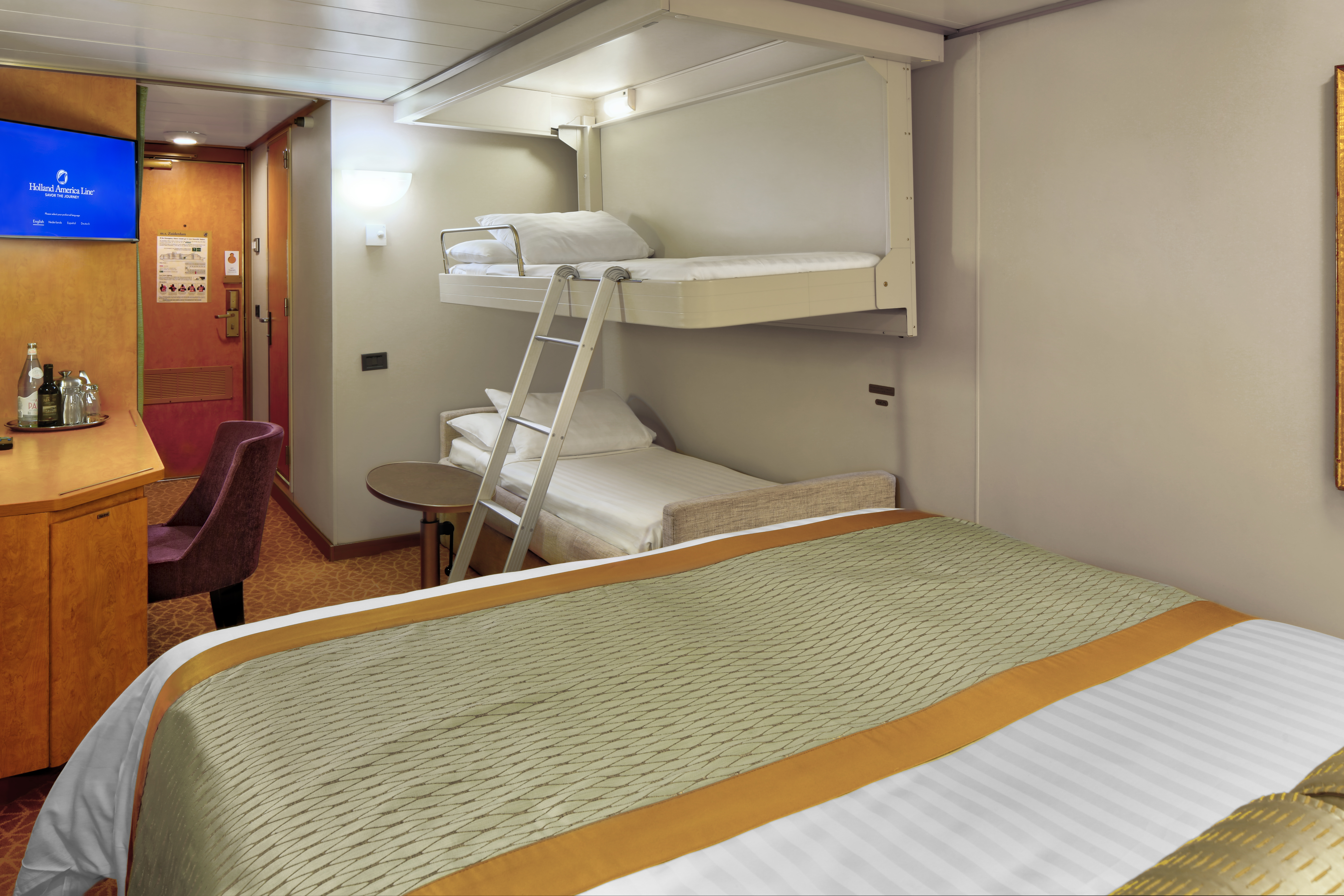
These 175–282 sq. ft. staterooms have a partially obstructed view through a window or porthole and include a sitting area, ample storage space, two beds that convert to one queen-size bed — our signature Mariner's Dream™ bed with plush euro-top mattress. Additional amenities include premium massage showerheads and a variety of tasteful touches.
Outside

Fully Obstructed Ocean View

These 175–282 sq. ft. staterooms have a fully obstructed view through a window or porthole and include a sitting area, ample storage space, two beds that convert to one queen-size bed — our signature Mariner's Dream™ bed with plush euro-top mattress. Additional amenities include premium massage showerheads and a variety of tasteful touches.
Inside

Large Inside

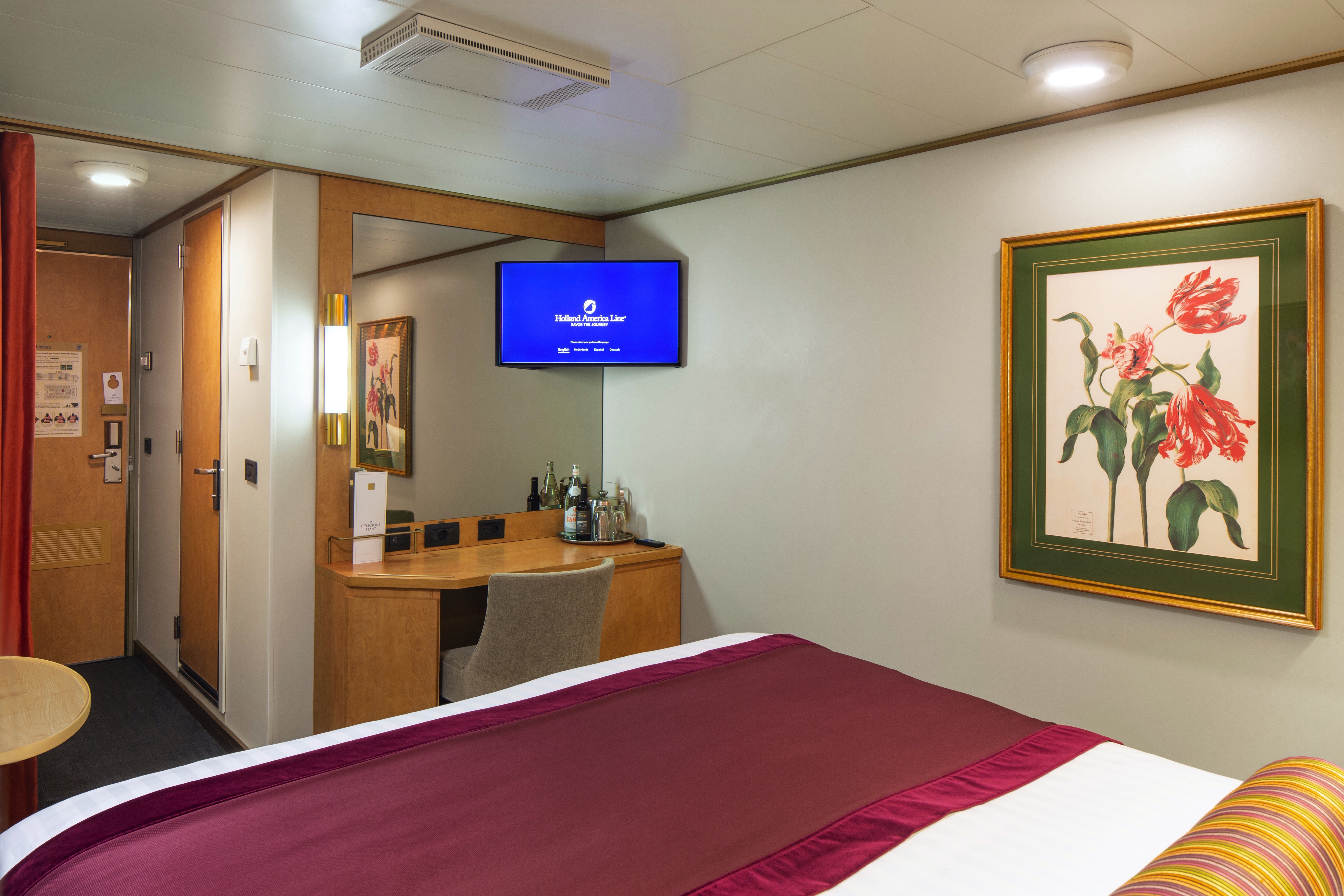
Offering 222–231 square feet of space, these staterooms are designed for up to five guests and include extra closet storage and one bathroom. Each stateroom features amenities such as daily housekeeping, generous storage, deluxe bathrobes, and in-room safes for valuables.
Inside

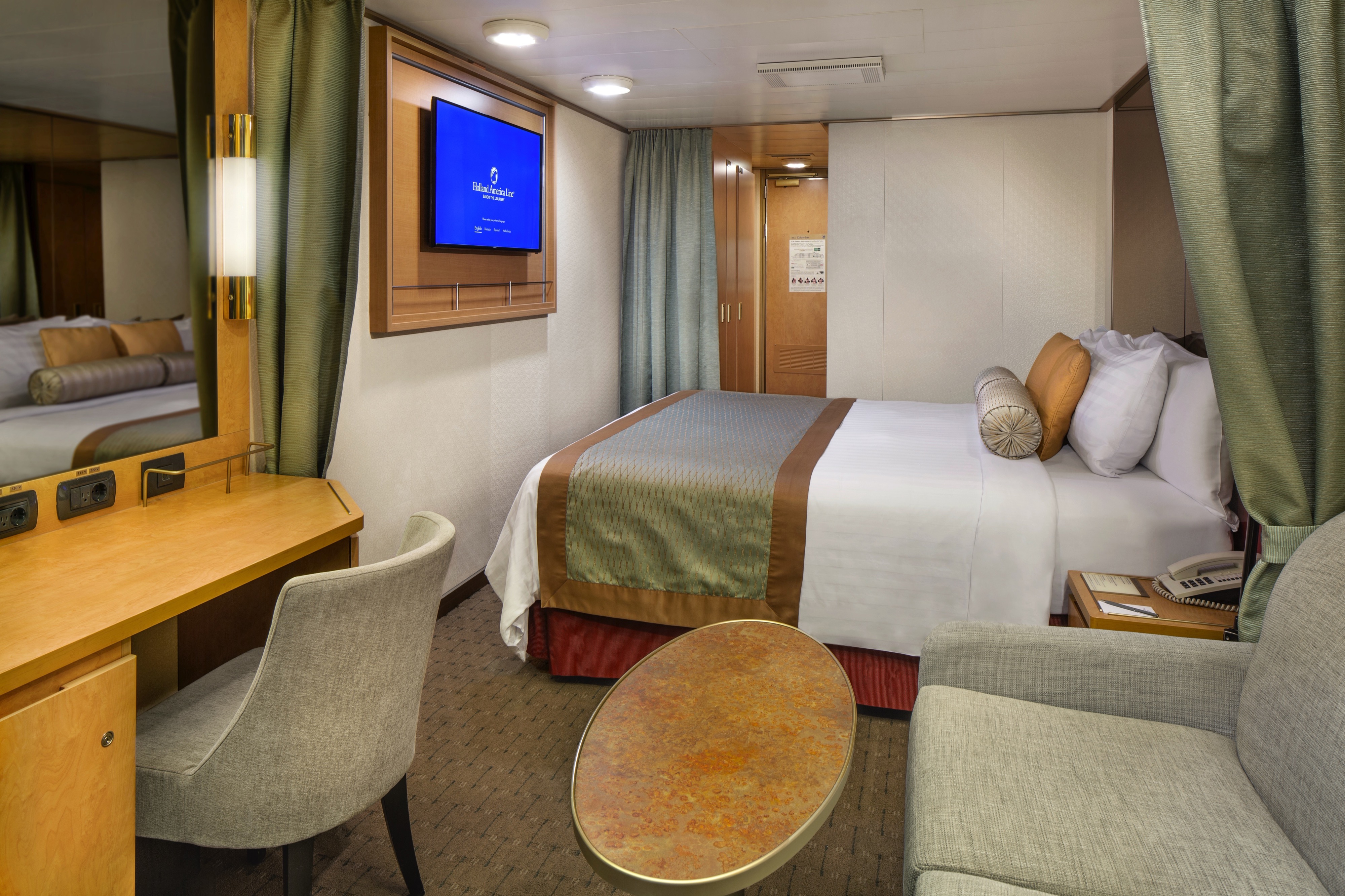
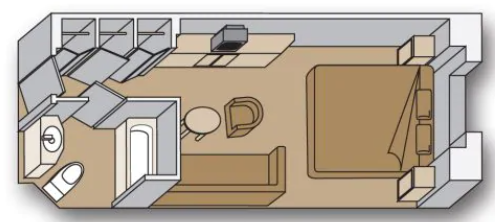
Inside

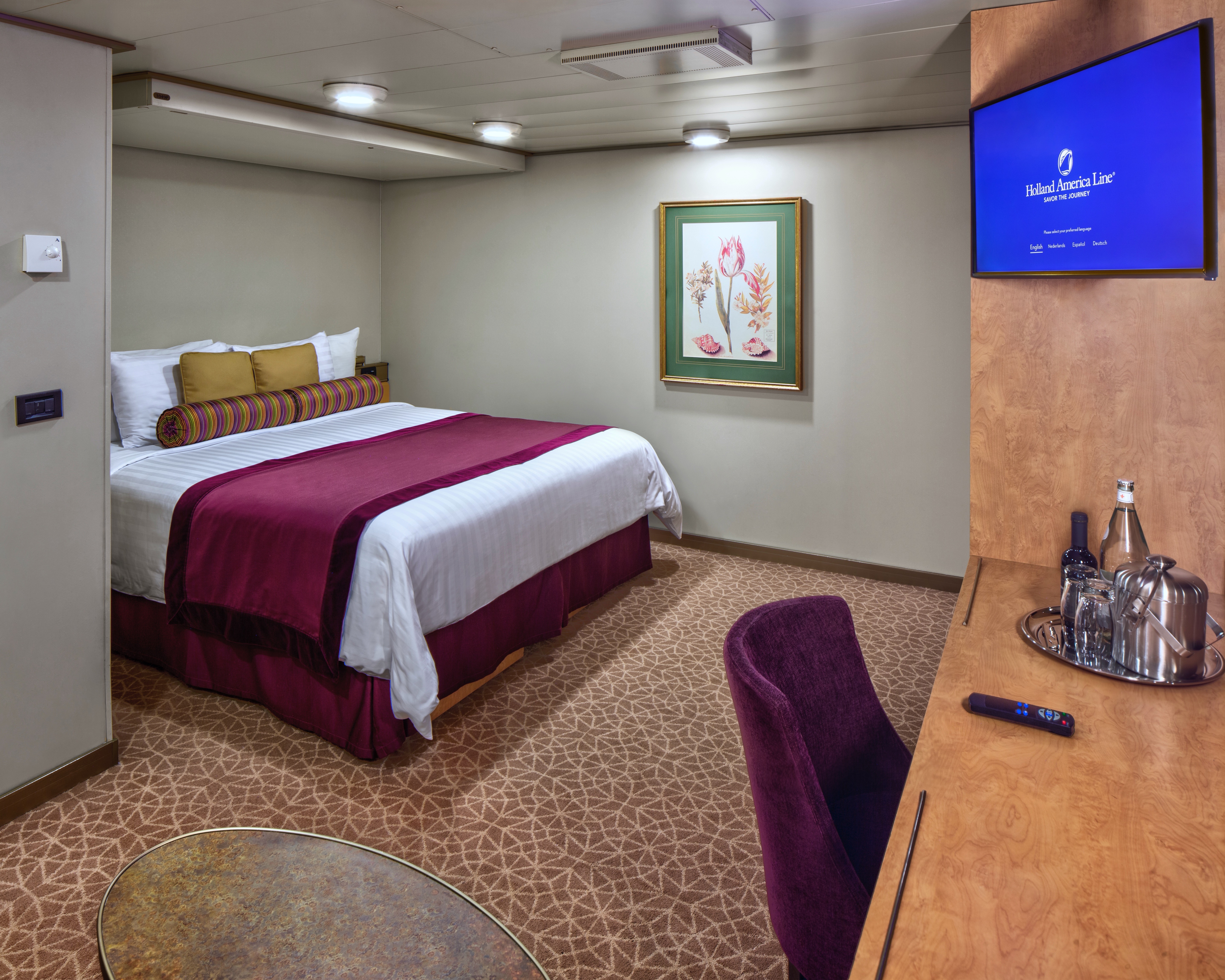
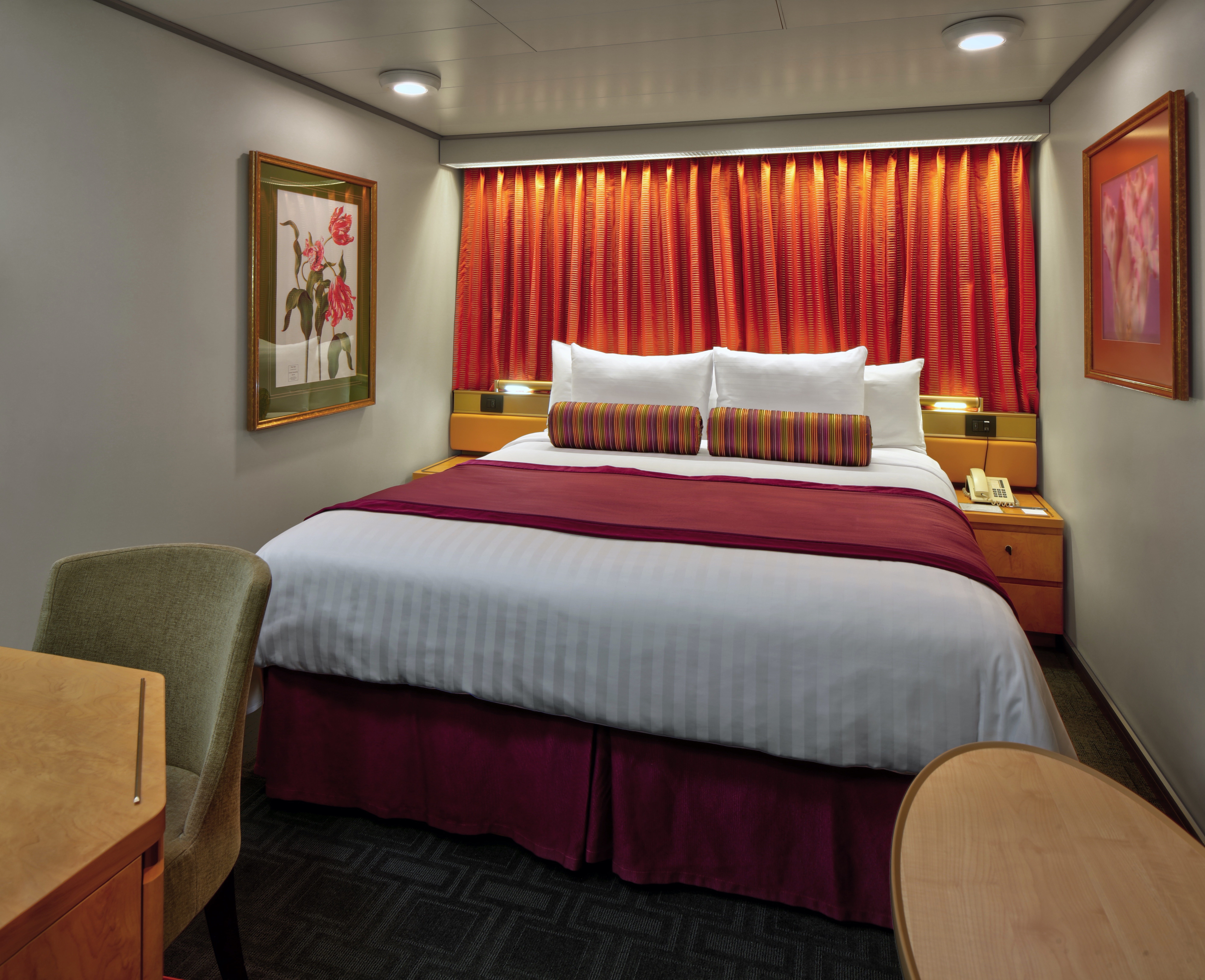
These comfortable 143–225 sq. ft. staterooms feature ample storage space and two beds that convert to one queen-size bed — our signature Mariner's Dream™ bed with plush euro-top mattress — premium massage showerheads and a host of amenities.
steakhouse

Pinnacle Grill


Welcome to Pinnacle Grill, our signature chophouse featuring Wagyu, seafood, regional specialties, sides, wines & desserts.
italian

Canaletto


In Italy, there’s nothing more important than coming together to celebrate the joy of great food. Canaletto's crafted menu is inspired by the simplicity of Italian food and its rich, robust flavors. And at Canaletto, our pasta is made from scratch each and every day. Buon Appetito!
classic

The Dining Room

Multi-course dining with fresh seafood, global flavors, and flexible options daily, all included in your cruise fare.

varies

Lido Market

Enjoy food stations featuring classic favorites, regional specialties, and made-to-order entrées.
fast

Dive-In

Dive-In offers a variety of casual culinary classics, using the highest quality ingredients. Enjoy a burger, grilled to perfection and served on a toasted brioche with our own trade-marked secret sauce. Savor a succulent Nathan’s Famous gourmet hot dog with golden French fries. Or choose a grilled chicken breast sandwich or juicy portabella mushroom stack. Dive-In is the perfect spot to dine poolside on the best burgers at sea.

room

24-Hour In-Room Dining

Freshly prepared breakfast, lunch, dinner, and late-night favorites delivered right to your door.
Bar

Ocean Bar

Taste handcrafted cocktails and dance the night away at Ocean Bar - a lively lounge perched above the atrium.
Nightclub

Crow's Nest

Relax in the Crow's Nest, a panoramic lounge high above the sea. Sip your favorite drink and soak in stunning views.
Bar

Explorer's Lounge

Relax in an elegant and refined space on board where you can enjoy a glass of wine, a cocktail, or your favorite liqueur.

Theatre, Musicians

Billboard Onboard

Join the biggest sing-along at sea, test your music trivia skills, and enjoy “All Request” performances featuring classics, and crowd favorites.

Cinema

World Stage

Bold visuals, dynamic choreography, dazzling costumes, and unforgettable music unite in spectacular shows spanning genres and generations.
Casino

Casino Action

Your Holland America Line ship’s Casino offers a wide array of gaming options. Whether you prefer slot machines or want to try your hand at blackjack or poker, our dealers and staff are available to provide complimentary instruction — and we offer many engaging tournament options. The Casino is only open at sea.
Shop

The Signature Shops

Shop duty-free for designer watches and Effy jewelry, then capture memories with expertly crafted photo keepsakes.
Spa

Greenhouse Spa & Salon

Spa and Wellness Facilities
Experience rejuvenation with hydrotherapy pools, heated loungers, serene steam and sauna rooms, tranquil massage spaces, and a fully equipped fitness center for energizing, instructor‑led workouts. Amenities and facilities vary by ship.
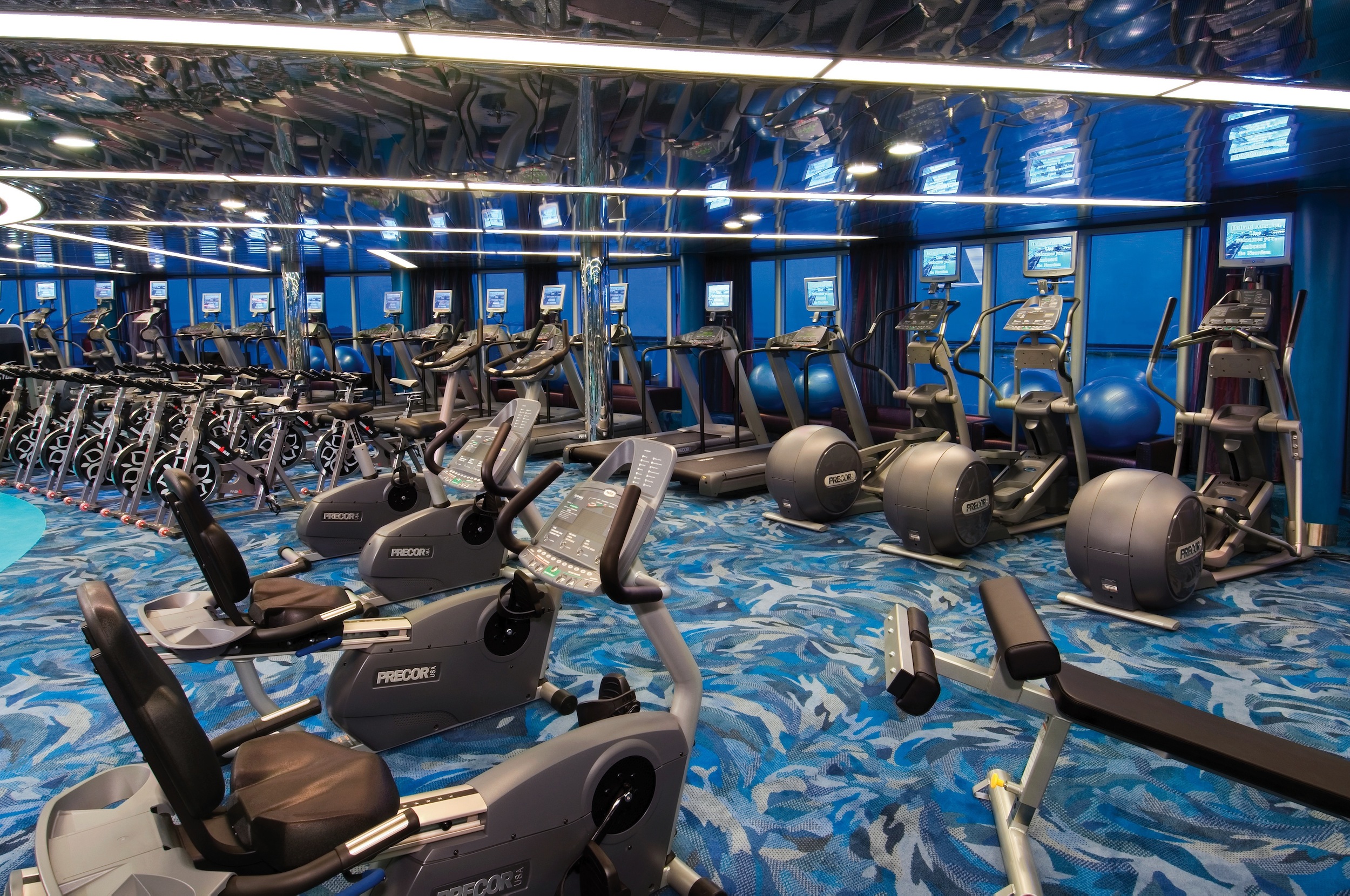
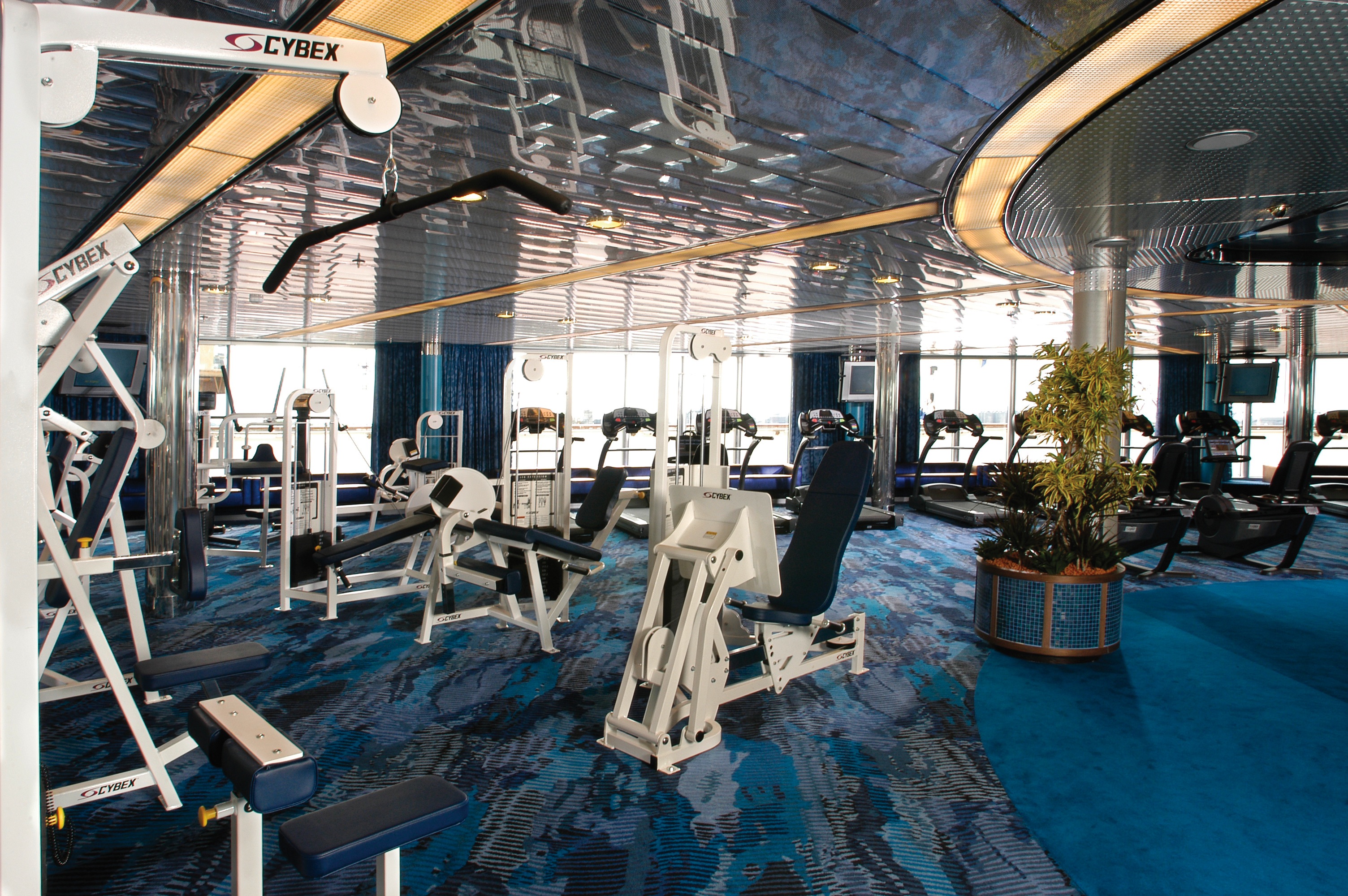
Gym, Exercise Class, Sports Court

Fitness Centre

All Holland America ships have a Fitness Center featuring the latest in workout equipment as well as free weights, instructor led classes, and optional personal training.
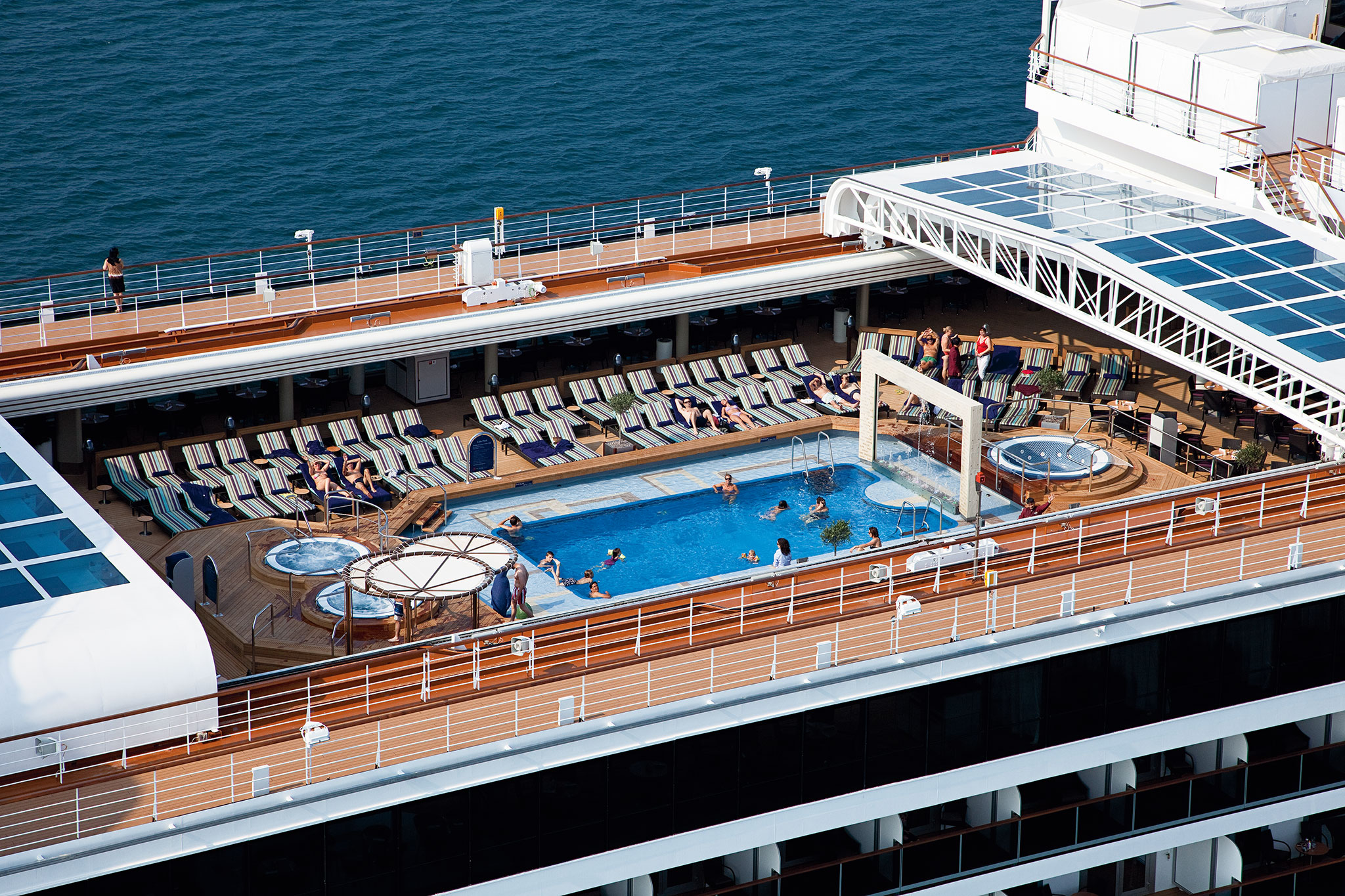
Pool

Lido & Sea View Pool

The Sea View Pool aft of deck 9 is the ship's open air pool featuring two whirlpools and served by the Sea View Bar and Slice the pizzeria.

The pool itself has a shallow area around the edge of it for sitting in to cool down. This pool is designated for adults only.

The Lido Pool is also located midship on deck 9. It has 3 hot tubs and is protected by a retractable glass dome cover during inclement weather. It is served by the Lido Bar and Trident Grill for light meals and has a bandstand for live entertainment. 

Sports Court

Pickleball At Sea

Whether you're new to the game or a pro, each Holland America ship offers one or two ocean-view courts, so you can serve, volley, and score while sailing the world.

Kids Programs (Ages 3-6)


A world of supervised fun awaits — arts & crafts, sports, and games — all designed to spark creativity and help kids build real friendships at sea.
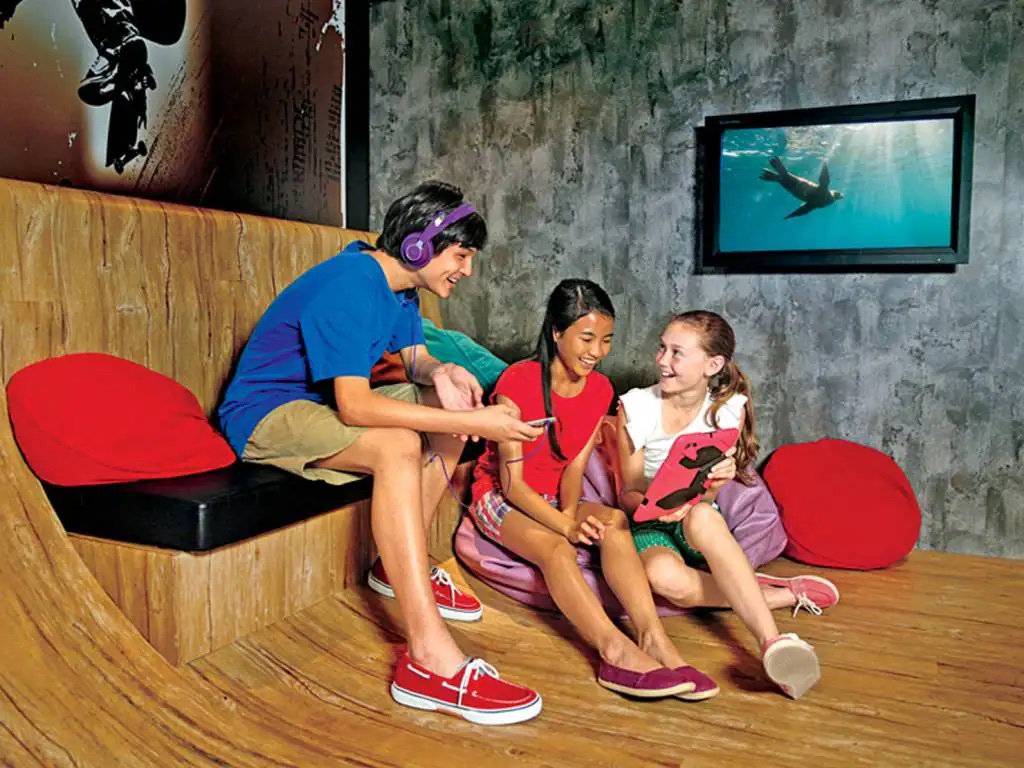
Tweens Programs (Ages 7-11)

From arts & crafts and sporting events to video gaming tournaments and movie nights, there's plenty to keep tweens engaged.

Teens Programs (Ages 12-17)

Teens connect through sports, group games, movie nights, and dedicated hangouts, plus exclusive evening events like video game tournaments.

Special Needs

Children with special needs are welcome in Kids Club by age. Some activities may require parental support — please share needs at booking.

Port Day Activities

Kids Club activities are available from 9 a.m. to 12 p.m. and 1 p.m. to 4 p.m. on port days*. Lunch is not offered as part of this service. Children must be registered and signed into and out of programming by a parent or guardian.

*Hours of operation may change to better serve our guests.