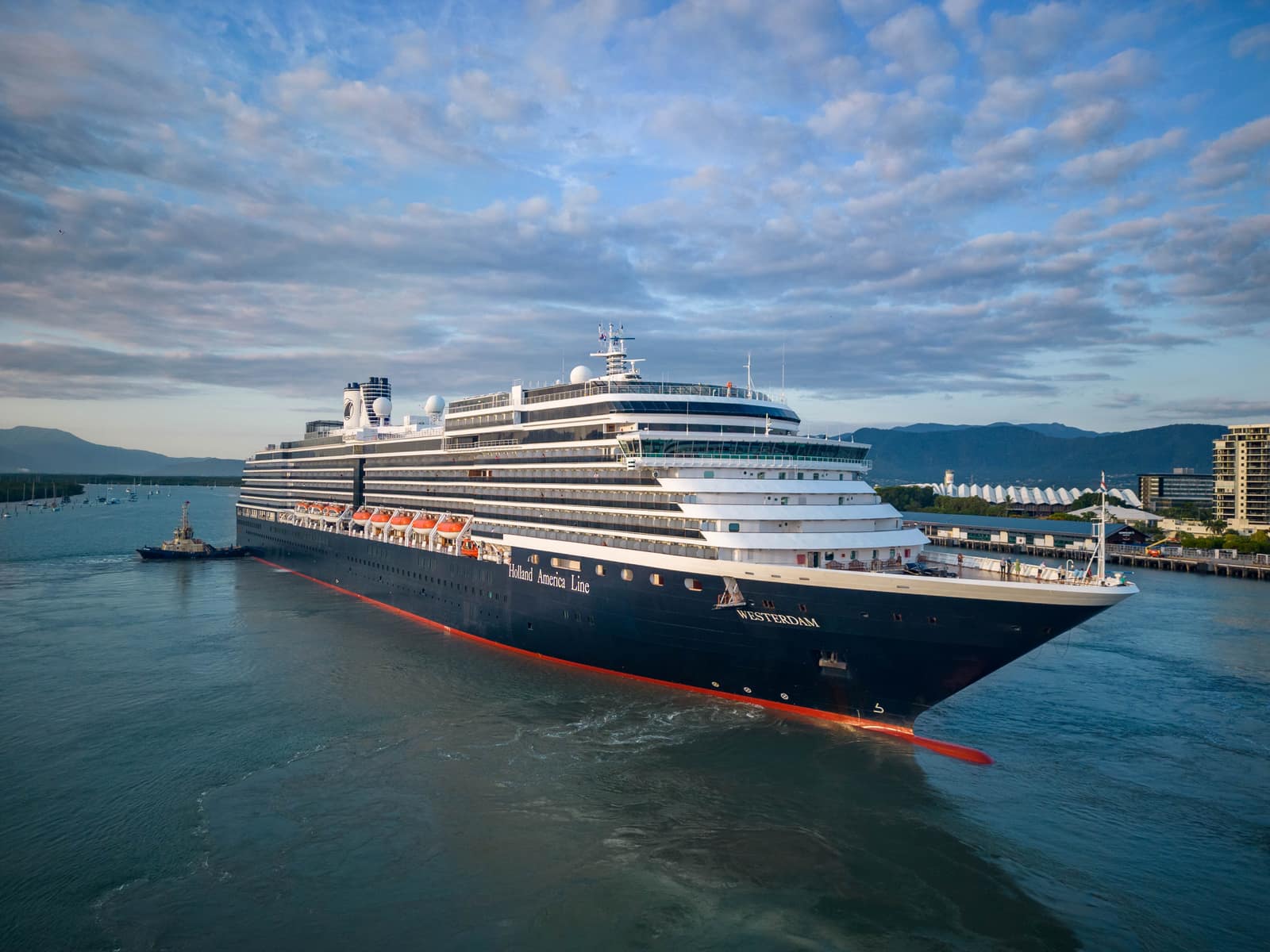
14-Day Far East Discovery

14-Day Far East Discovery

About This Cruise

Who Is This Cruise For?

  • Families

    5 kids’ and teens’ clubs on board Westerdam

  • Couples

    A premium ship with a grown-up, relaxed atmosphere

  • Over 50s

    Holland America Line is a favourite with mature travellers

Type

Ocean, Premium

Ship

Westerdam

Departure Date

6 December 2026

Cruise Line

Holland America Line

Duration

14 Nights

Select Your Cabin Type
Select your cabin type
Call Us at (01) 554 1010

Itinerary

Singapore

Singapore

The main island of Singapore is shaped like a flattened diamond, 42 km (26 miles) east to west and 23 km (14 miles) north to south. Near the northern peak is the causeway leading to West Malaysia—Kuala Lumpur is less than four hours away by car. It is at the southern foot where you will find most of the city-state’s action, with its gleaming office towers, working docks, and futuristic "supertrees," which are solar-powered and serve as vertical gardens. Offshore are Sentosa and over 60 smaller islands, most uninhabited, that serve as bases for oil refining or as playgrounds and beach escapes from the city. To the east is Changi International Airport, connected to the city by metro, bus, and a tree-lined parkway. Of the island's total land area, more than half is built up, with the balance made up of parkland, farmland, plantations, swamp areas, and rain forest. Well-paved roads connect all parts of the island, and Singapore city has an excellent, and constantly expanding, public transportation system. The heart of Singapore's history and its modern wealth are in and around the Central Business District. The area includes the skyscrapers in the Central Business District, the 19th-century Raffles Hotel, the convention centers of Marina Square, on up to the top of Ft. Canning. Although most of old Singapore has been knocked down to make way for the modern city, most colonial landmarks have been preserved in the CBD, including early-19th-century buildings designed by the Irish architect George Coleman.

Thailand

Ko Samui

Koh Samui is the most popular tourist destination on the Western Gulf coast, which isn't surprising, considering the island's gorgeous beaches, perfect weather, and sparkling blue, almost turquoise, water. Koh Samui has seen rapid development since the 1990s, and you'll encounter hotels in all price ranges.Koh Samui is half the size of Phuket, so you could easily drive around it in a day. But Koh Samui is best appreciated by those who take a slower, more casual approach. Most people come for the sun and sea, so they head straight to their hotel and rarely venture beyond its beach. But it's worth exploring beyond your lodging. Every beach has its own character, and you might find the perfect one for you. One beach many visitors find to their liking is Chawaeng. On Koh Samui's east coast, this stretch of glistening white sand is divided into two main sections—Chawaeng Yai (yai means "big") and Chawaeng Noi (noi means "little"). You'll find the greatest variety of hotels, restaurants, and bars here. Despite the crowds, Chawaeng is no Pattaya or Patong—the mood is very laid-back. A rocky headland separates Chawaeng Lamai Beach, whose clear water and long stretch of sand were the first place on the island to attract developers. More budget accommodations are available here than in Chawaeng, and there are some happening nightclubs.On the west coast of Koh Samui, Na Thon is the island's primary port and the spot where ferries arrive from the mainland. It's home to the island's governmental offices, including the Tourism Authority of Thailand, and there are banks, foreign-exchange booths, travel agents, shops, restaurants, and cafés by the ferry pier. A few places rent rooms, but there's really no reason to stay here—nicer accommodations can be found a short songthaew ride away.To the north and east of Na Thon lie a few beaches worthy of exploration. Laem Yai, 5 km (3 miles) north, has great seafood. East of here, a small headland separates two low-key communities on the northern shore, Mae Nam and Bophut Beach. Mae Nam is also the departure point for boats bound for Koh Phangan and Koh Tao . Just south of the Samui's northeastern tip you'll find sandy Choengmon Beach, a good area for swimming that's not overdeveloped.

Thailand

Laem Chabang

There are two Bangkoks, the ancient soul of Thailand with its long and fascinating history and the frantic, modern metropolis that embraces the latest trends both Eastern and Western. The two blend together remarkably well—even the most jarring juxtapositions of old and new somehow make sense. Bangkok is not only the biggest city in Thailand, but also the most mesmerizing, with some of the country's most beautiful temples and shrines. The city's energy is palpable, especially at night, when traffic opens up a bit, its famous markets get going, and everything seems lit up—from its proudest monuments to its seediest streets. When Ayutthaya was besieged and pillaged by the Burmese in 1766, Thonburi became Thailand's capital. The Thais call Bangkok Krung Thep (City of Angels), and in 1782 King Rama I moved his capital here, just across the Chao Praya River. Laem Chabang is approximately 130 km (81 mi) from Bangkok.

Cambodia

Sihanoukville

No summary for this day yet.

Vietnam

Phu My

No summary for this day yet.

Vietnam

Da Nang

Da Nang is the third largest city in Vietnam with the land area of 1283 square kilometre and the population of approximately 1million people. Da Nang is growing into one of the most organized urban area, with attractive beach front villas on the one side and Han River flowing on the other. Of the few attractions that belong to the city, Museum of Cham stands out with its rich collection of Cham artefacts. For those who crave for more outdoors activities, My Khe beach is a good place to spend time, either by yourself or with your loved ones. Da Nang is in close proximity to Hue- 3 hours North and Hoi An- 30 minutes south, which makes it a perfect stop point for those who need a break from touristy areas. Hue was once the Royal Capital of Viet Nam. The city represents the outstanding demonstration of the power of the vanished Vietnamese feudal empire, including a complex of monuments, tombs and pagodas that attract tourists coming from all over the world. Hoi An has to this days well preserved its most sacred treasure, the centuries-old architecture. The town used to harbour foreign traders back in the 17-18th, and once is an important heavily-frequented trading port in Southeast Asia.

Vietnam

Ha Long Bay

A visit to the north is not complete without a trip to Halong Bay, where placid waters give way to more than 3,000 limestone karsts and wind-sculpted limestone formations that jut from foggy lagoons. Dotting the bay are tiny islands bordered by white sandy coves and hidden caves, adding to the majestic landscape of this UNESCO World Heritage Site. Adding to this naturalist’s dream is the biodiversity of islets, grottos, and Cat Ba Island National Park. The bay, however, shows tourism’s impact: the clearing of mangrove forests to make way for jetties and piers, marine life threatened by game fishing, and garbage from passenger boats and fishing villages washed up on the shores.Beyond its geological uniqueness are activities like hiking, kayaking, rock climbing, or exploring one of the many floating villages where fishermen bring in their daily catch. The downside to all this allure is the large number of unlicensed boats it draws to the bay each day.Boat trips out onto the bay are the main tourism stock in trade farther north, but a more multifaceted side of the area can be experienced at Cat Ba Island. The largest island in Halong Bay, Cat Ba is very much its own entity. Its national park offers incredible biodiversity, with more than a thousand species of plants having been recorded here. Animal life is slightly thinner on the ground, but alert visitors may spy inhabitants such as the endangered golden-headed langur, wild boar, deer, civets, and several species of squirrel. Trekking through the wilderness is a highlight with a number of fascinating trails to follow.Cat Ba Island has also become a firm favorite with the adventure sports set. Indeed, along with Railay Beach in Thailand, it is recognized as one of the top spots in the region for rock climbing. Other outdoor pursuits include sailing and kayaking around the karsts. Although Halong Bay has arguably been tainted by over-exposure, Bai Tu Long Bay farther east toward China, retains all the majesty of Vietnam’s premier bucket-list natural attraction but sees a fraction of the traffic of its immediate neighbor to the west. Here, visitors will find islands of substantial size with deserted beaches and untamed jungle. Halong Bay's 3,000 islands of dolomite and limestone cover a 1,500-square-km (580-square-mile) area, extending across the Gulf of Tonkin nearly to the Chinese border. According to legend, this breathtaking land- and seascape was formed by a giant dragon that came barreling out of the mountains toward the ocean—hence the name (Halong translates into "descent of the dragon"). Geologists are more likely to attribute the formations to sedimentary limestone that formed here between 300 and 500 million years ago, in the Paleozoic Era. Over millions of years water receded and exposed the limestone to wind, rain, and tidal erosion.Today the limestone formations are exposed to hordes of tourists—but don't let that discourage you. Hundreds of fishing trawlers and tour boats share space on these crystal waters, yet there seems to be room for everyone. Most people use the main population center, Halong City, as a base from which to venture into the bay. Although it's now officially one municipality, Halong City was, until 1996, two separate towns: Bai Chay is now Halong City West, where Halong Road winds its way around the coast and past the lifeless central beach; Hon Gai is the grimier Halong City East, where a coal transportation depot dominates the center of town and covers nearby roads and buildings with a sooty film. Locals still refer to the towns by their old names, but they are now inexorably lassoed together by a bridge. Boat trips through Halong Bay are the main attraction. Little of the majesty of this region can be found in the city, so head out onto the water and start exploring. Countless 10- and 30-foot fishing boats have been converted into Halong Bay's formidable tourist-boat fleet. Hotels or travel agencies in Halong City or Hanoi can arrange boat trips for you (often they are part of organized tours from Hanoi). It is still possible to go down to the wharf and bargain yourself onto a boat for the day, but you are likely to be charged (sometimes significantly) more than you would pay for a prebooked tour, so this is not advised. Self-sufficient travelers have fallen victim to the old bait-and-switch: they've arranged a next-day boat tour with local fishermen, only to be told in no uncertain terms the following morning that they could not board their chosen boat, but they could take a different one for quite a bit more money. You may have no choice in the end. Usually travel agencies, however, have their tried-and-true favorites.

Hong Kong

Hong Kong

The Hong Kong Island skyline, with its ever-growing number of skyscrapers, speaks to ambition and money. Paris, London, even New York were centuries in the making, while Hong Kong's towers, bright lights, and glitzy shopping emporia weren't yet part of the urban scene when many of the young investment bankers who fuel one of the world's leading financial centers were born. Commerce is concentrated in the glittering high-rises of Central, tucked between Victoria Harbor and forested peaks on Hong Kong Island's north shore. While it's easy to think all the bright lights are the sum of today's Hong Kong, you need only walk or board a tram for the short jaunt west into Western to discover a side of Hong Kong that is more traditionally Chinese but no less high-energy. You'll discover the real Hong Kong to the east of Central, too, in Wan Chai, Causeway Bay, and beyond. Amid the residential towers are restaurants, shopping malls, bars, convention centers, a nice smattering of museums, and—depending on fate and the horse you wager on—one of Hong Kong's luckiest or unluckiest spots, the Happy Valley Racecourse. Kowloon sprawls across a generous swath of the Chinese mainland across Victoria Harbour from Central. Tsim Sha Tsui, at the tip of Kowloon peninsula, is packed with glitzy shops, first-rate museums, and eye-popping views of the skyline across the water. Just to the north are the teeming market streets of Mong Kok and in the dense residential neighborhoods beyond, two of Hong Kong's most enchanting spiritual sights, Wong Tai Sin Temple and Chi Lin Nunnery. As you navigate this huge metropolis (easy to do on the excellent transportation network), keep in mind that streets are usually numbered odd on one side, even on the other. There's no baseline for street numbers and no block-based numbering system, but street signs indicate building numbers for any given block.
Suite

Pinnacle Suite

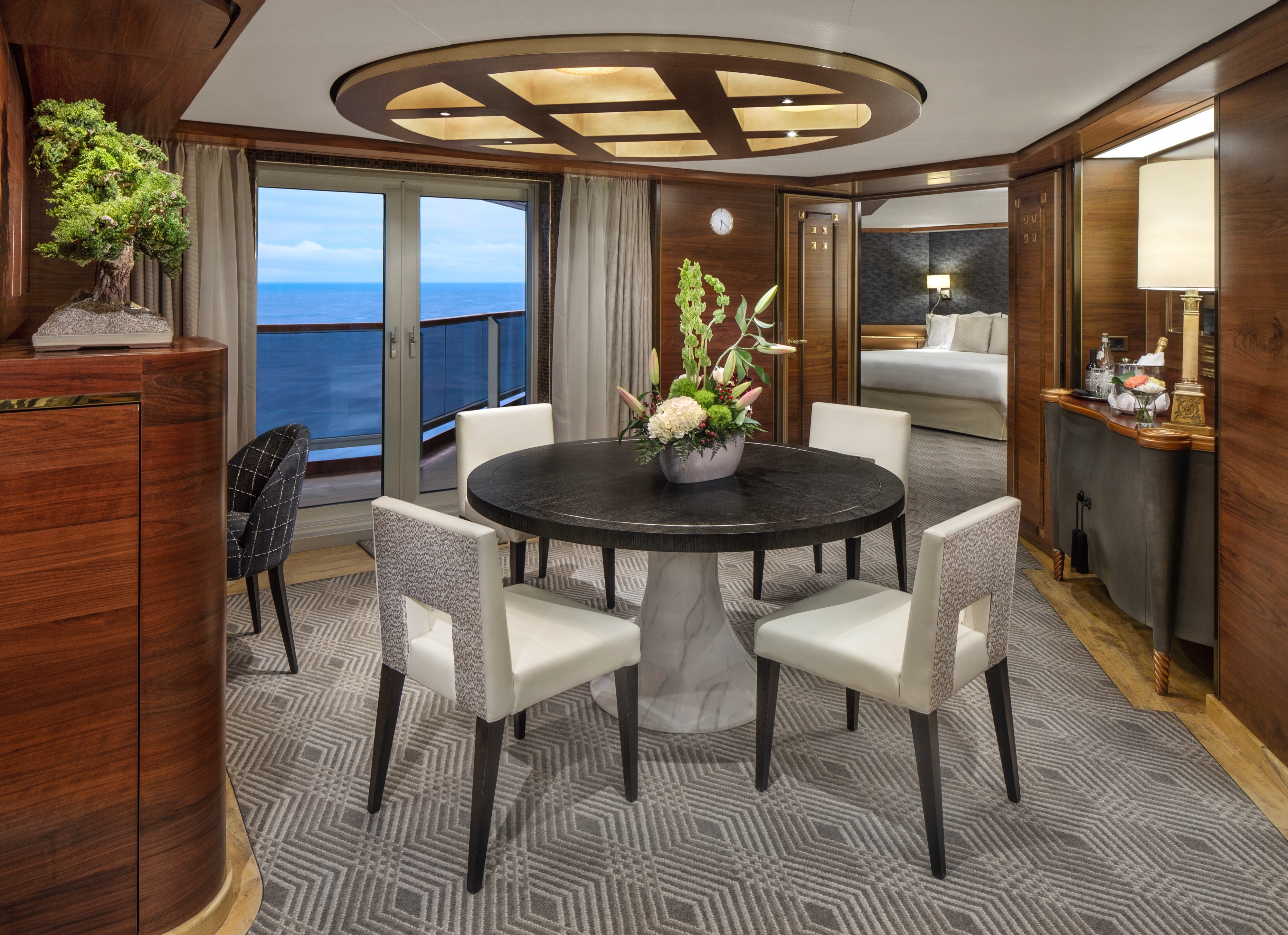
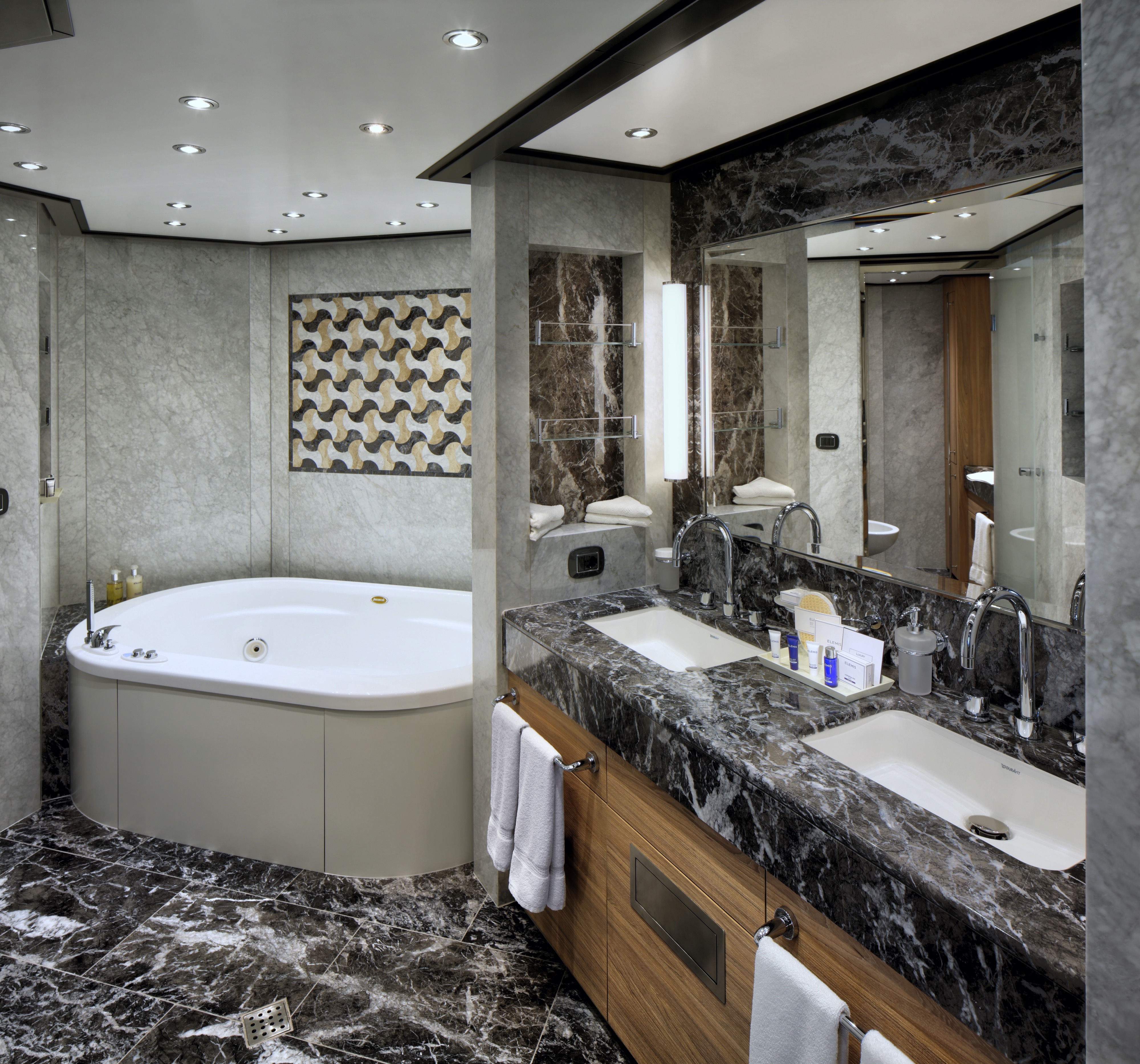
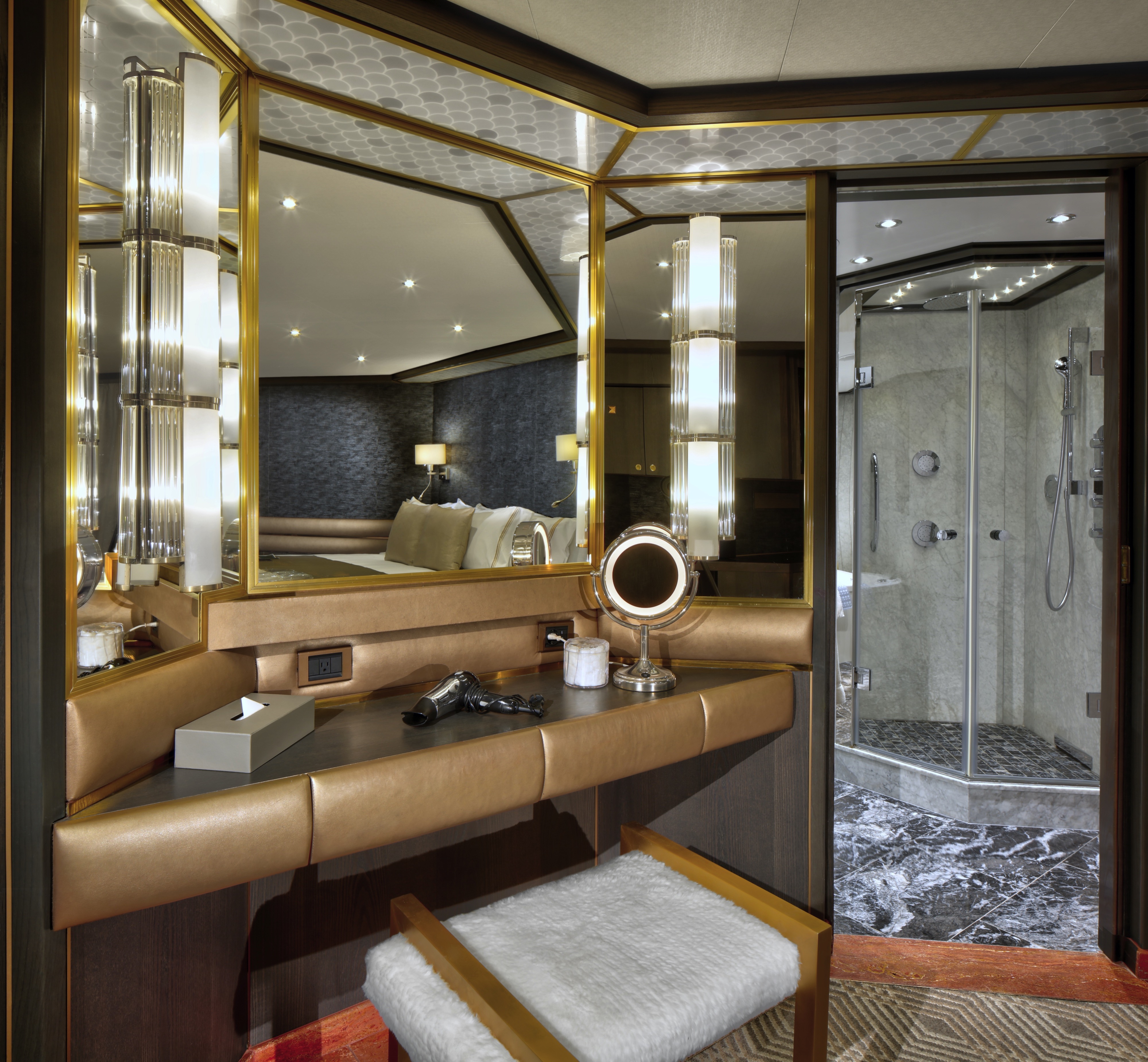
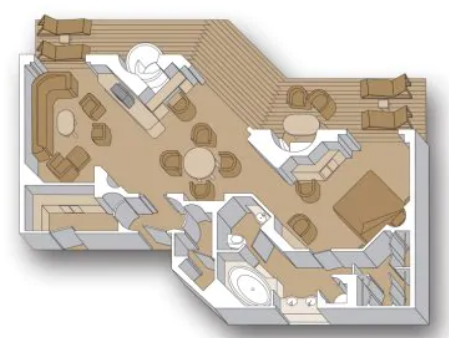
Our premier 1,290 sq. ft. Pinnacle Suite features floor-to-ceiling glass doors, a large private Whirlpool verandah, living, dining, and dressing rooms, and lush sleeping accommodations with luxurious Duxiana® king beds. These elegant suites sleep up to four guests and include a deep soaking tub and an independent, full-size shower stall, dual-sink vanities, and guest toilets.

  • 1,290 sq. ft.
  • Exclusive access to the Neptune Lounge
  • Personal concierge
  • Priority check-in
  • Complimentary laundry service, pressing, and dry cleaning
Suite

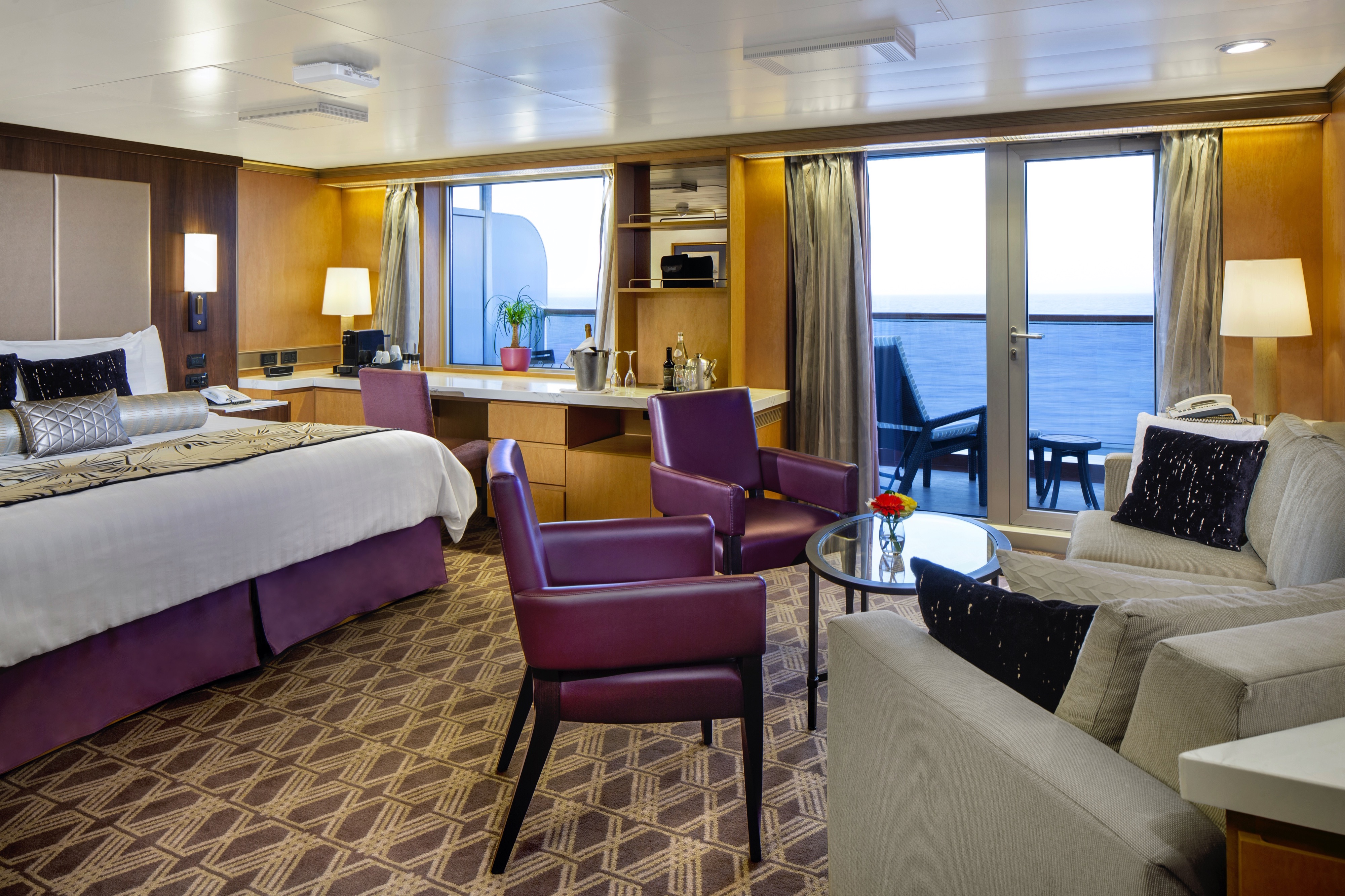
Neptune Suite

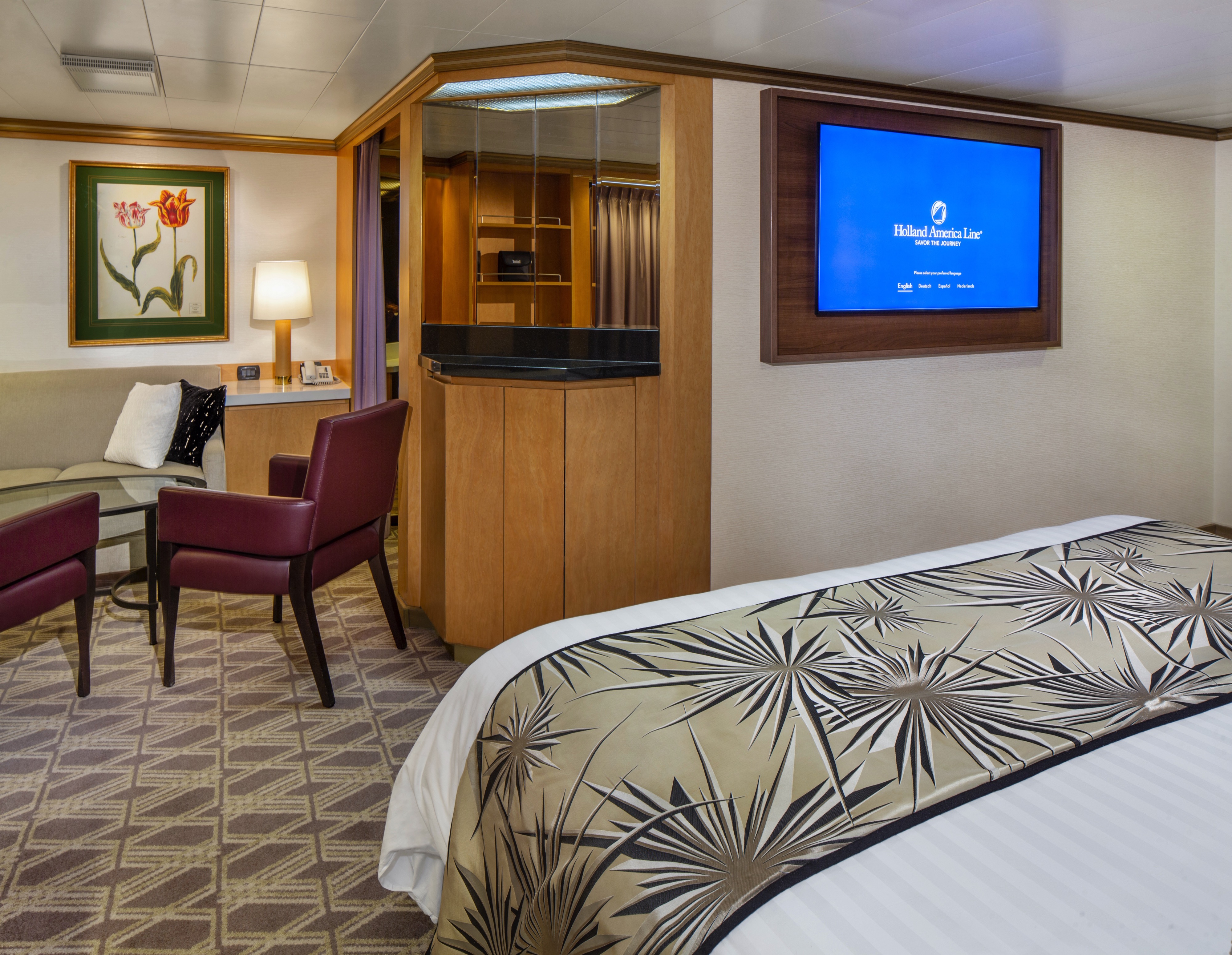
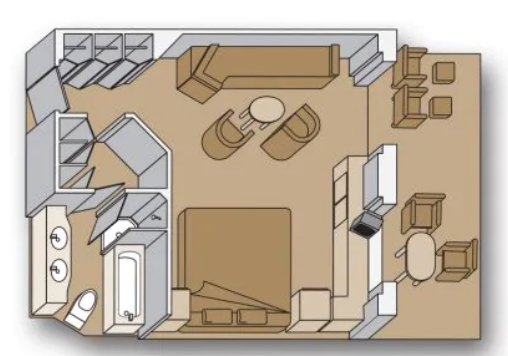
Featuring floor-to-ceiling glass doors, a spacious private verandah, expansive sitting areas, and comfortable sleeping accommodations with Mariner’s Dream™ beds, our 465–502 sq. ft. suite sleeps up to four guests and boasts a deep soaking tub and an independent, full-size shower stall, dual-sink vanities, premium bathrobes, pillow menus, fresh flowers, and binoculars.

  • 465–502 sq. ft.
  • Exclusive use of Neptune Lounge
  • Personal concierge
  • Priority check-in
  • Complimentary laundry service, pressing, and dry cleaning
Suite

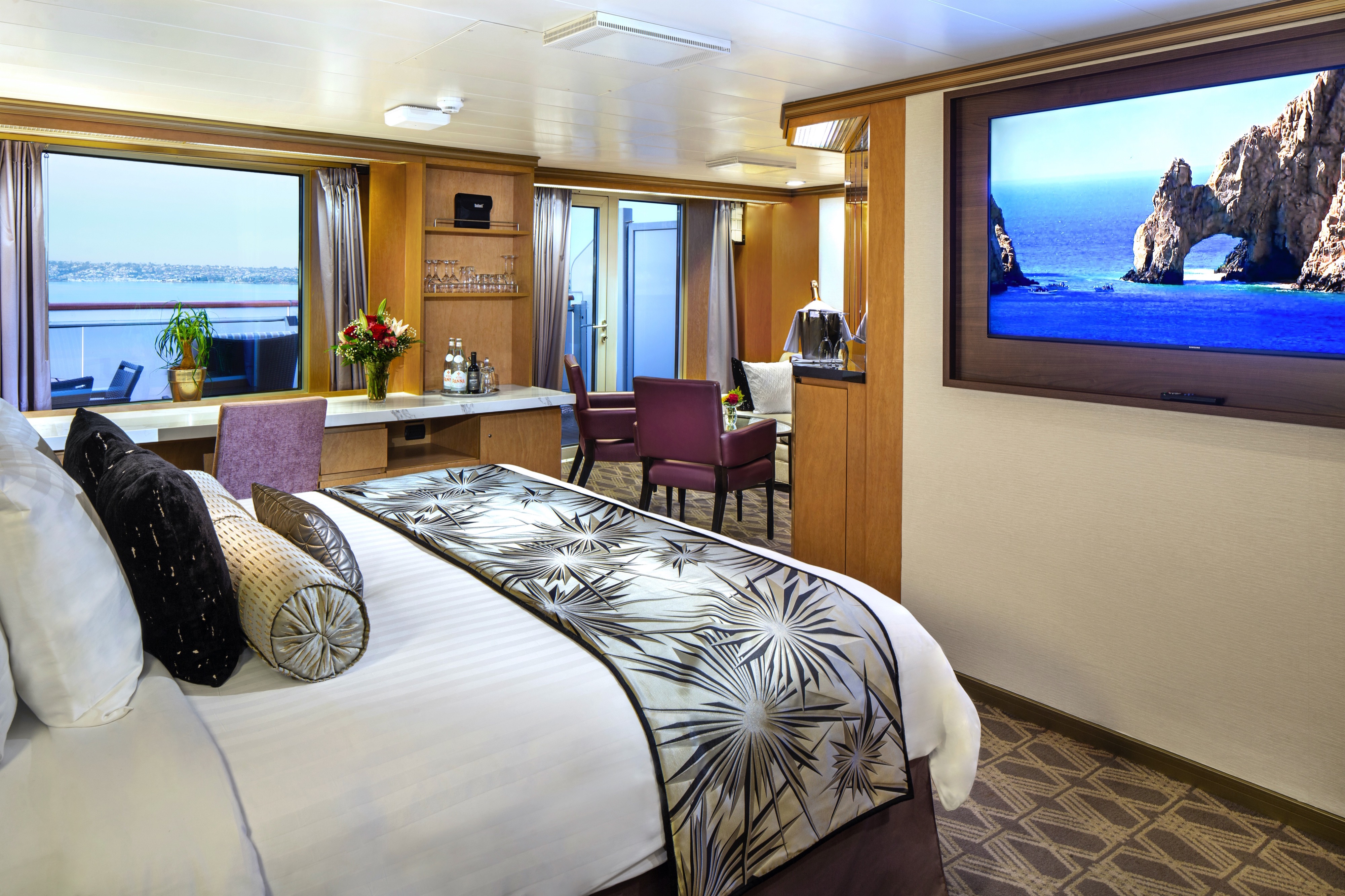
Signature Suite

These elegant 393–400 sq. ft. suites feature a sitting area with floor-to-ceiling glass doors overlooking a private verandah. Signature Suites accommodate up to four guests with two beds that convert to a queen- or king-size bed — our signature Mariner’s Dream™ bed, and a Murphy, Pullman, or sofa bed, depending on configuration.

  • 393–400 sq. ft.
  • Full-size Whirlpool bath
  • Refrigerator
  • Set of binoculars

Balcony

Verandah

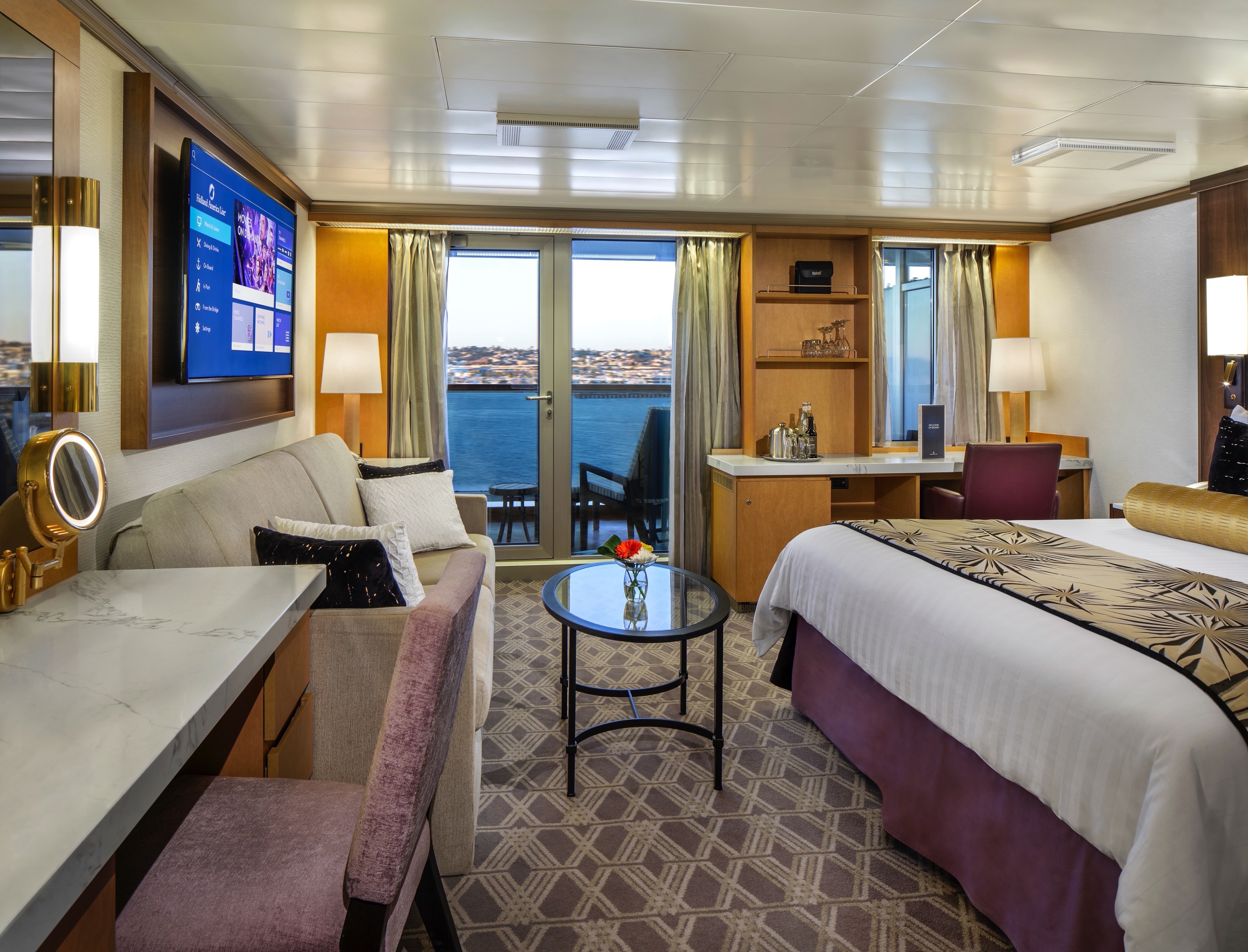
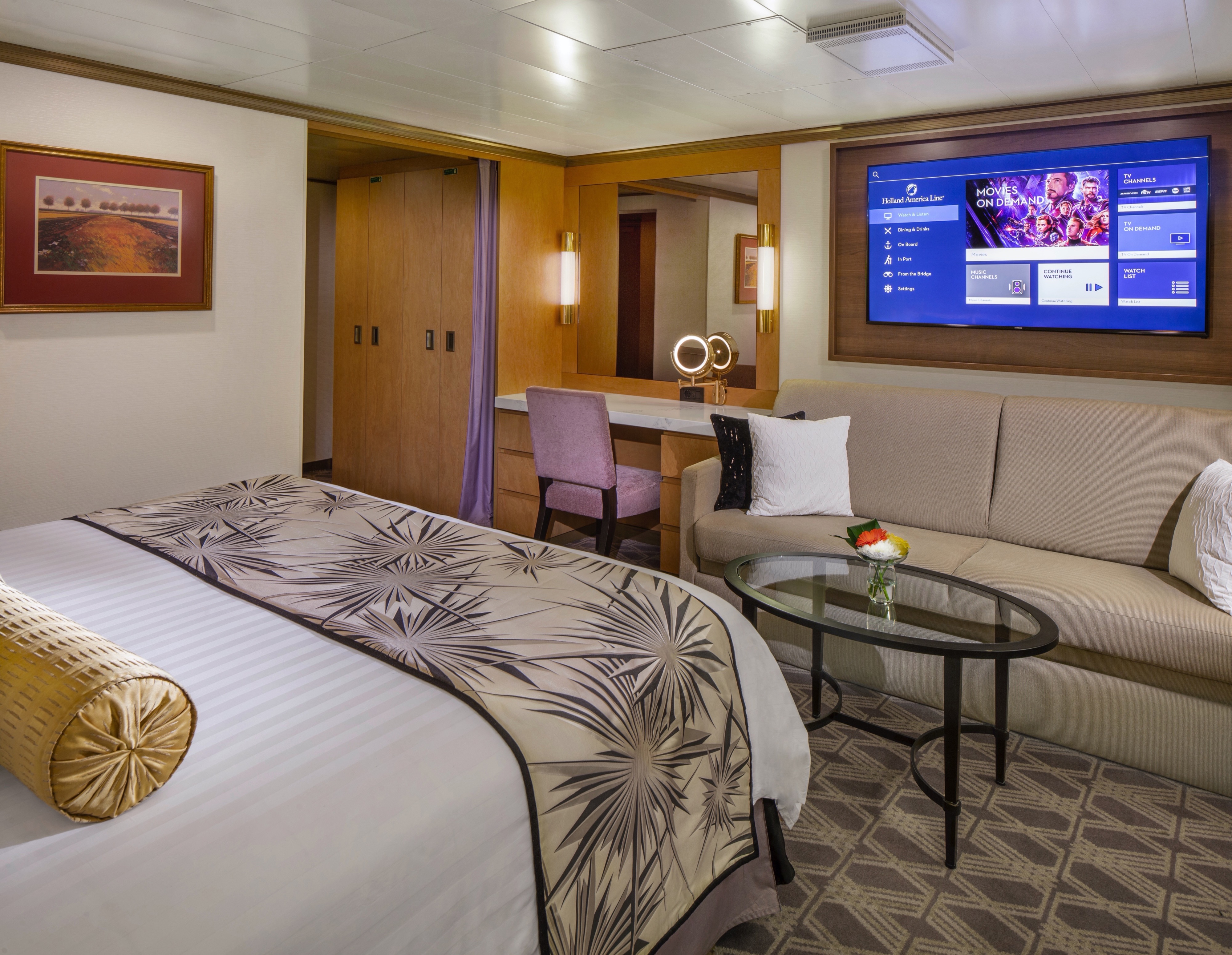
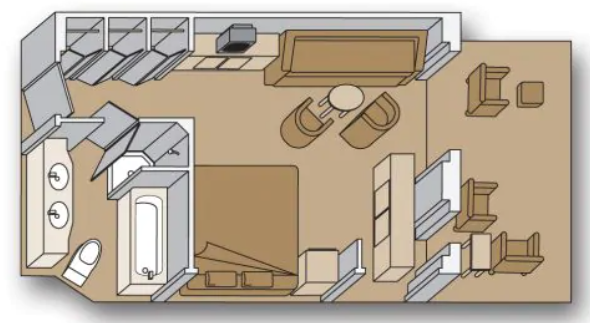
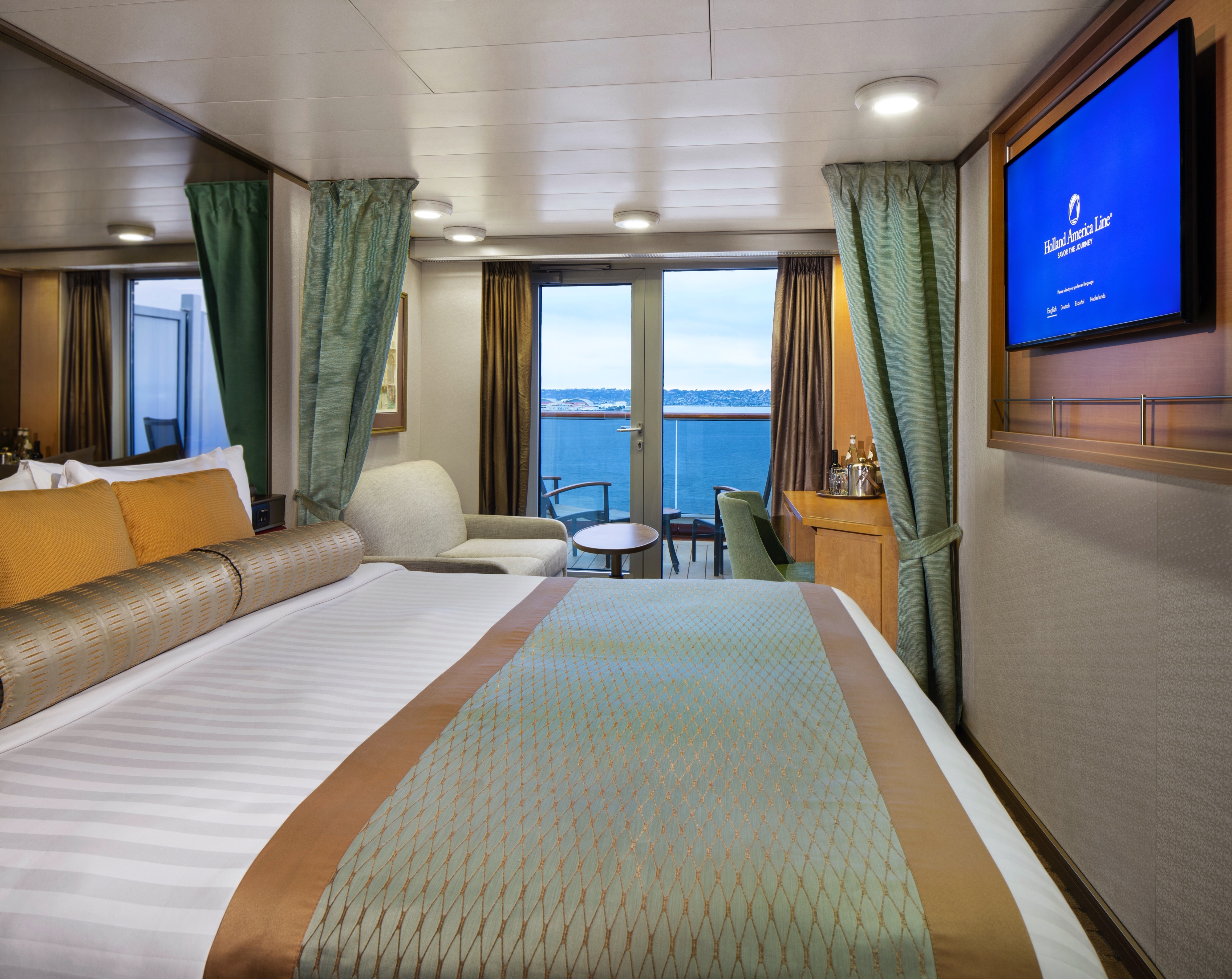
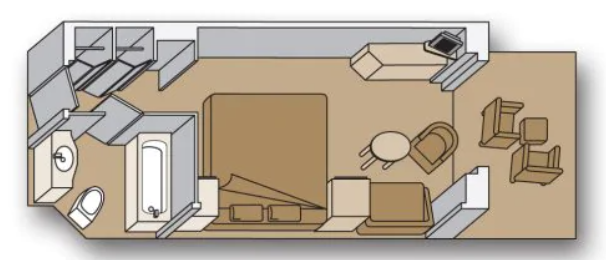
Floor-to-ceiling glass doors lead to your private balcony, infusing these coveted 228–405 sq. ft. staterooms with natural light. Enjoy a private verandah overlooking the ocean, a spacious sitting area for unwinding, and our signature Mariner’s Dream™ bed that can convert from one queen to two beds.
Outside

Ocean View

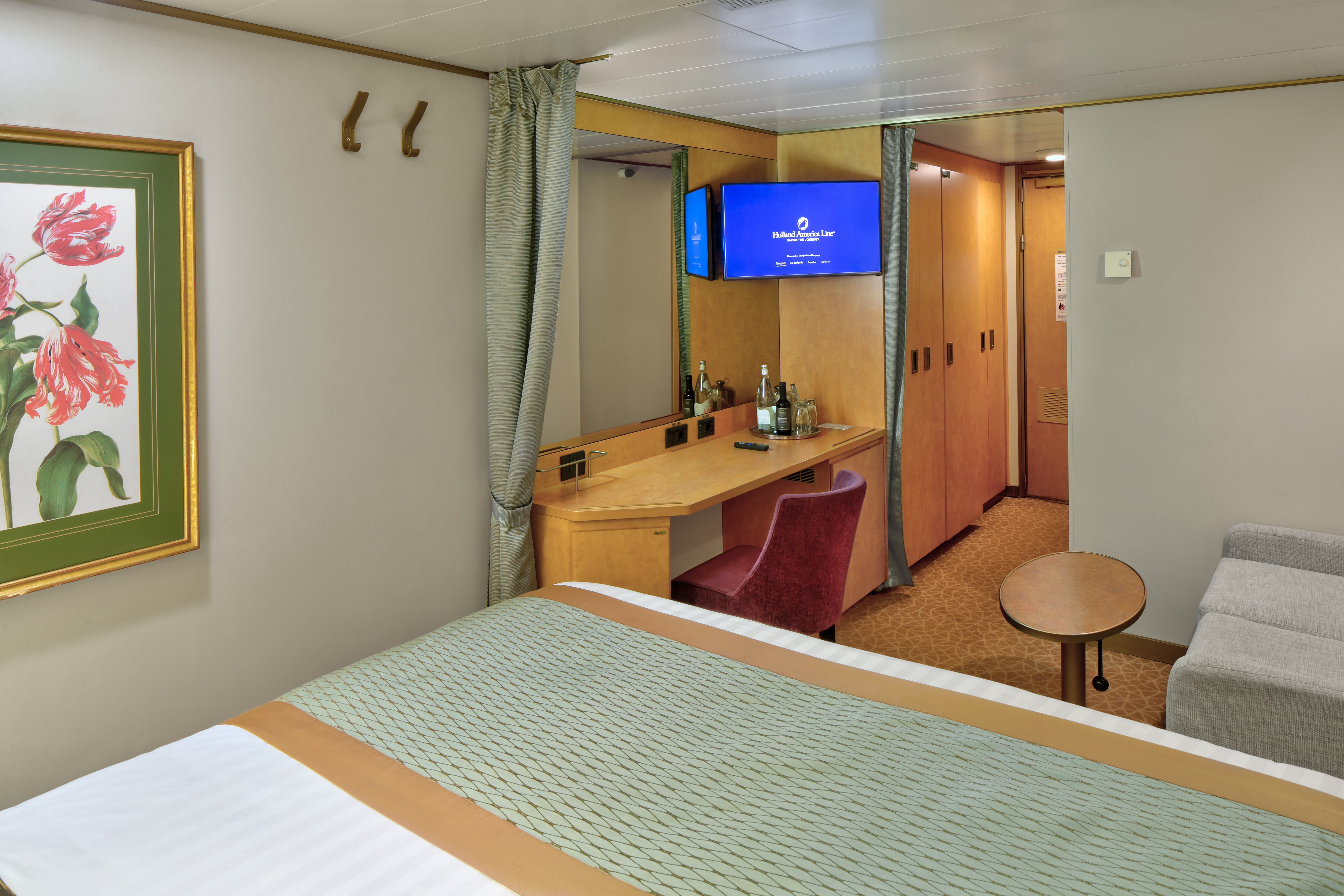
With a view of the ocean through a window or porthole, these expansive staterooms include a sitting area, two beds that convert to one queen-size bed — our signature Mariner's Dream™ bed with plush euro-top mattress — premium massage showerheads, and a host of amenities.
Outside

Ocean View: Partial Sea View

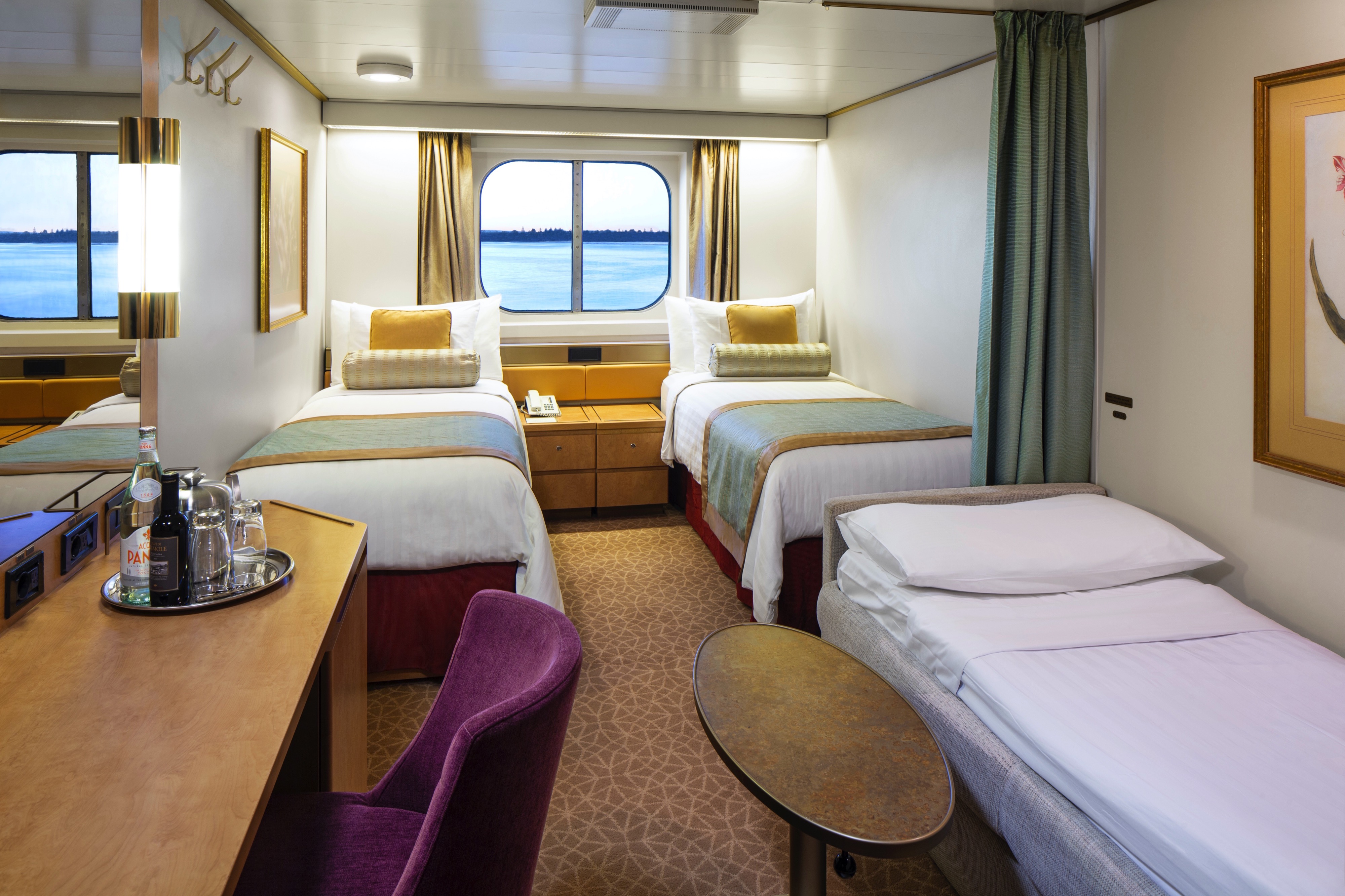
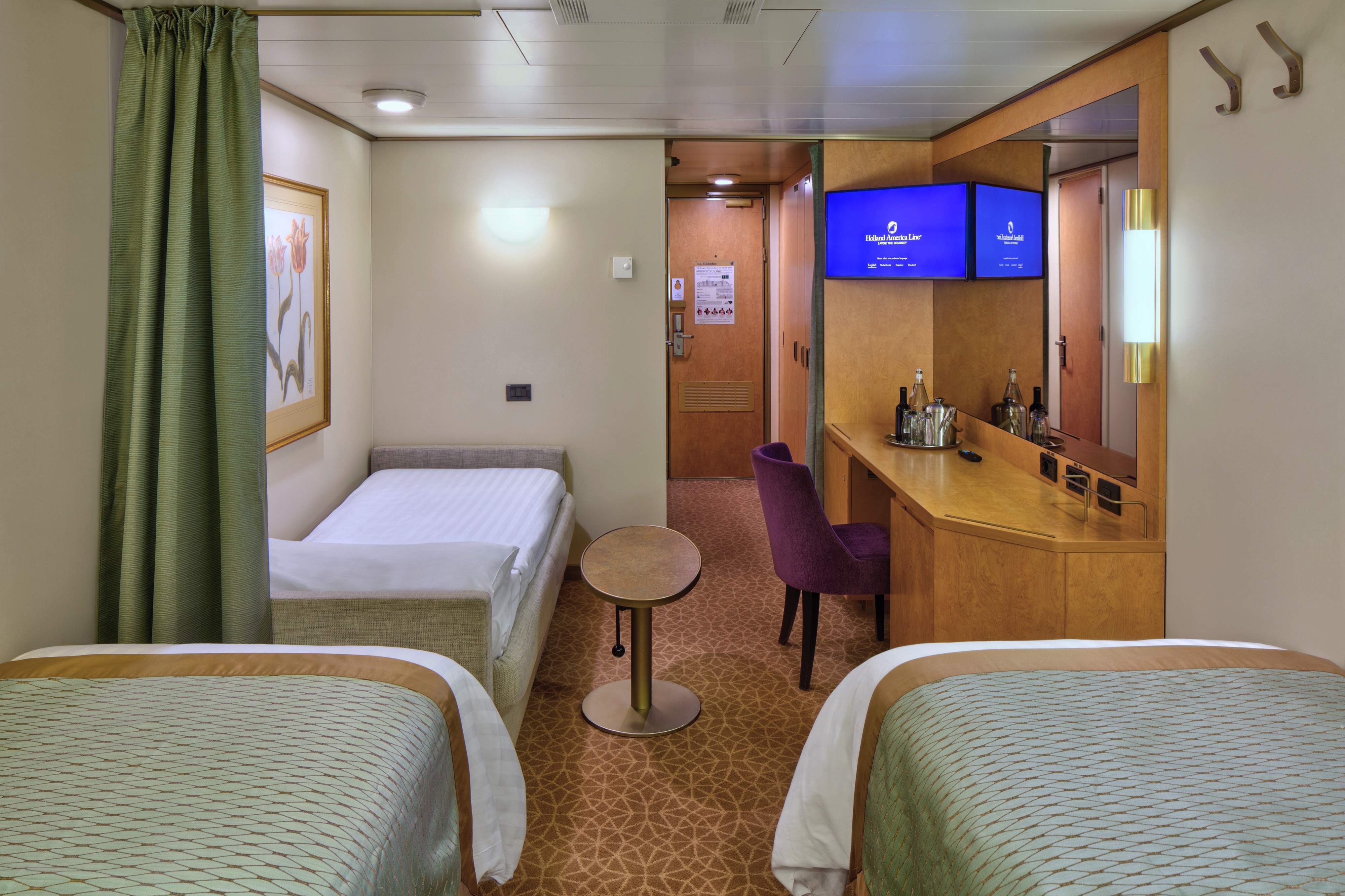
These 175–282 sq. ft. staterooms have a partially obstructed view through a window or porthole and include a sitting area, ample storage space, two beds that convert to one queen-size bed — our signature Mariner's Dream™ bed with plush euro-top mattress. Additional amenities include premium massage showerheads and a variety of tasteful touches.
Outside

Ocean View: Fully Obstructed

These 175–282 sq. ft. staterooms have a fully obstructed view through a window or porthole and include a sitting area, ample storage space, two beds that convert to one queen-size bed — our signature Mariner's Dream™ bed with plush euro-top mattress. Additional amenities include premium massage showerheads and a variety of tasteful touches.
Inside

Large Inside

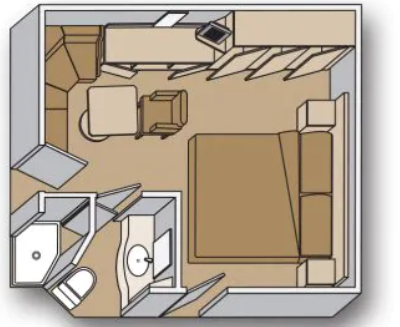
Offering 222–231 square feet of space, these staterooms are designed for up to five guests and include extra closet storage and one bathroom. Each stateroom features amenities such as daily housekeeping, generous storage, deluxe bathrobes, and in-room safes for valuables.
Inside

Inside

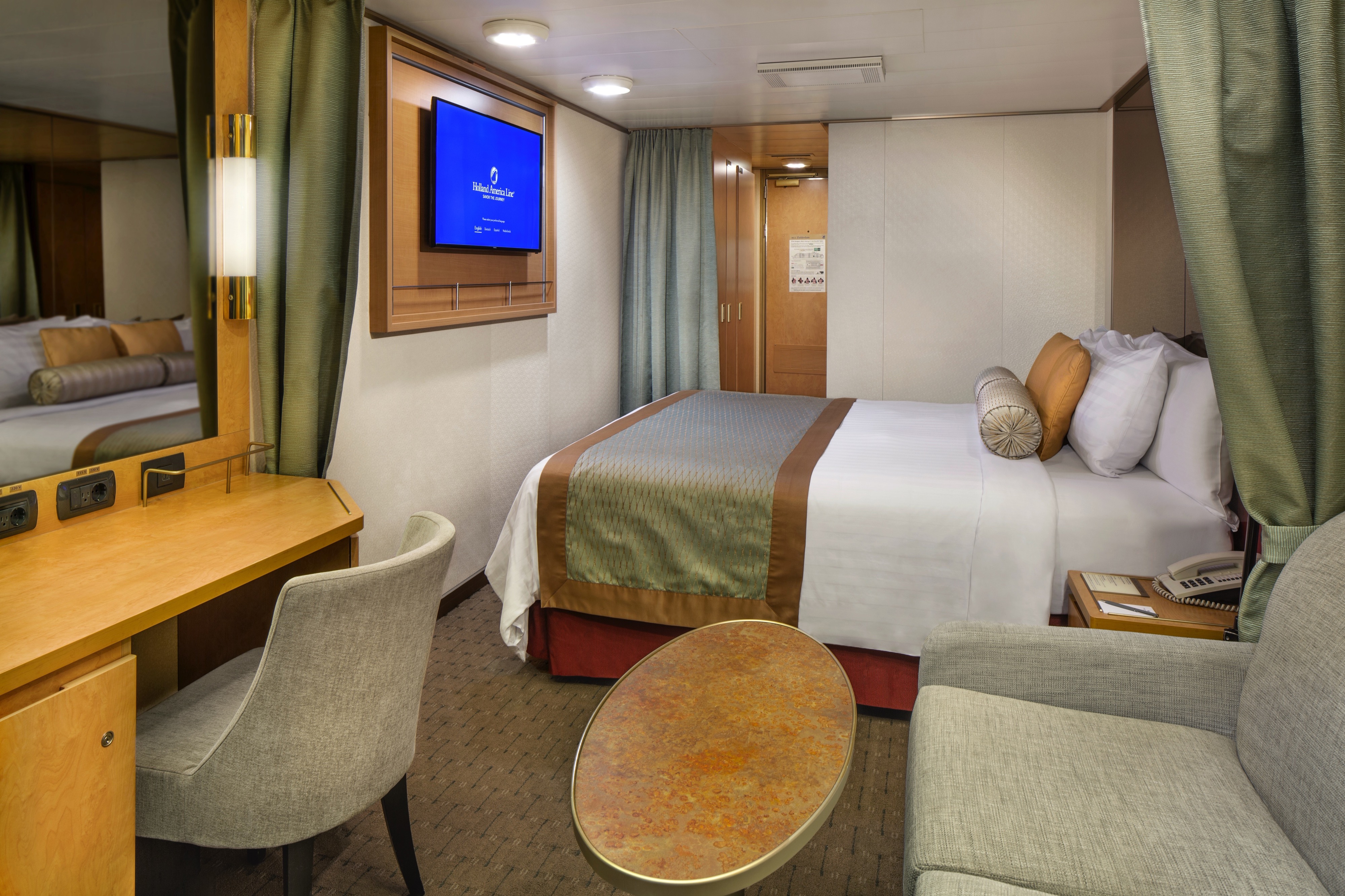
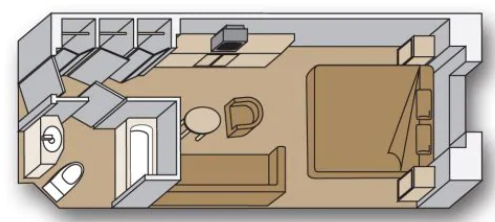
These comfortable 143–225 sq. ft. staterooms feature ample storage space and two beds that convert to one queen-size bed — our signature Mariner's Dream™ bed with plush euro-top mattress — premium massage showerheads and a host of amenities.
surf_turf

Pinnacle Grill

Welcome to Pinnacle Grill, our signature chophouse featuring Wagyu, seafood, regional specialties, sides, wines & desserts.
italian

Canaletto

In Italy, there’s nothing more important than coming together to celebrate the joy of great food. Canaletto's crafted menu is inspired by the simplicity of Italian food and its rich, robust flavors. And at Canaletto, our pasta is made from scratch each and every day. Buon Appetito!
fine

The Dining Room

Multi-course dining with fresh seafood, global flavors, and flexible options daily, all included in your cruise fare.
varies

Lido Market

Enjoy food stations featuring classic favorites, regional specialties, and made-to-order entrées.
buffet

Dive-In

Dive-In offers a variety of casual culinary classics, using the highest quality ingredients. Enjoy a burger, grilled to perfection and served on a toasted brioche with our own trade-marked secret sauce. Savor a succulent Nathan’s Famous gourmet hot dog with golden French fries. Or choose a grilled chicken breast sandwich or juicy portabella mushroom stack. Dive-In is the perfect spot to dine poolside on the best burgers at sea.
asian

Tamarind

Savor vibrant Asian flavors at this specialty restaurant on select ships. Additional charge applies.
room

24-Hour Room Service

Freshly prepared breakfast, lunch, dinner, and late-night favorites delivered right to your door.
Bar

Ocean Bar

Taste handcrafted cocktails and dance the night away at Ocean Bar - a lively lounge perched above the atrium.
Bar

Lido Bar

The Lido Bar is a convenient spot to grab a satisfying cocktail, sparkling wine, or cold beer to enjoy by the Lido Pool.
Bar

Pinnacle Bar

Unwind in a sophisticated setting with fine wines and cocktails - perfect for pre- or post-dinner indulgence at Pinnacle Grill.
Lounge

Explorer's Lounge

Coffees, drinks and liqueurs are served to the classical sounds of the Adagio Strings.

Casino

Casino Action

Your Holland America Line ship’s Casino offers a wide array of gaming options. Whether you prefer slot machines or want to try your hand at blackjack or poker, our dealers and staff are available to provide complimentary instruction — and we offer many engaging tournament options. The Casino is only open at sea.

Musicians

Billboard Onboard

2 pianos - 60 Years of Chart Toppers - 100s Of Songs. Sing along, test your music trivia skills or just sit back and enjoy as the hits fill the room each night.
Shop

Onboard Shopping

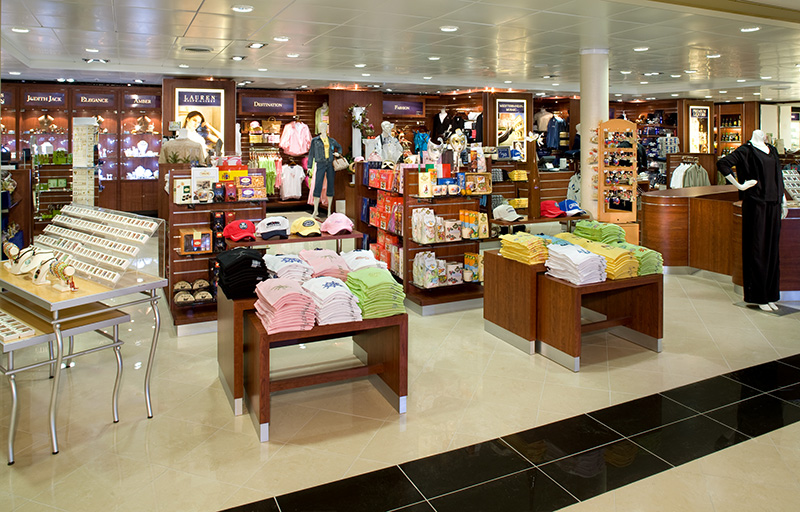
Shop duty-free for designer watches and Effy jewelry, then capture memories with expertly crafted photo keepsakes.

Theatre, Musicians

World Stage

World Stage, the largest theatre on board is home to a variety of performances day and night.
Spa

Greenhouse Spa & Salon

Spa and Wellness Facilities

Experience rejuvenation with hydrotherapy pools, heated loungers, serene steam and sauna rooms, tranquil massage spaces, and a fully equipped fitness center for energizing, instructor‑led workouts. Amenities and facilities vary by ship.
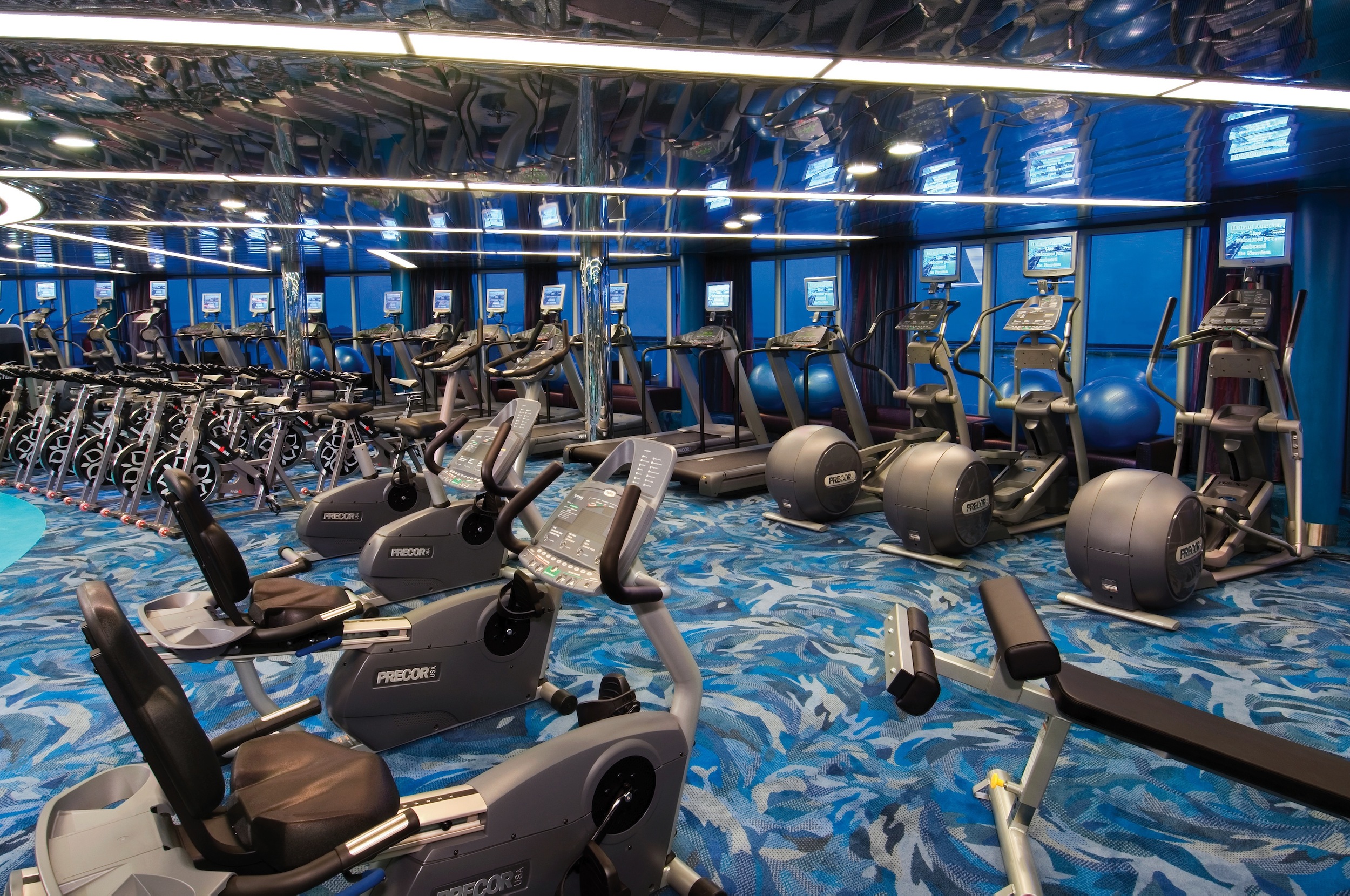
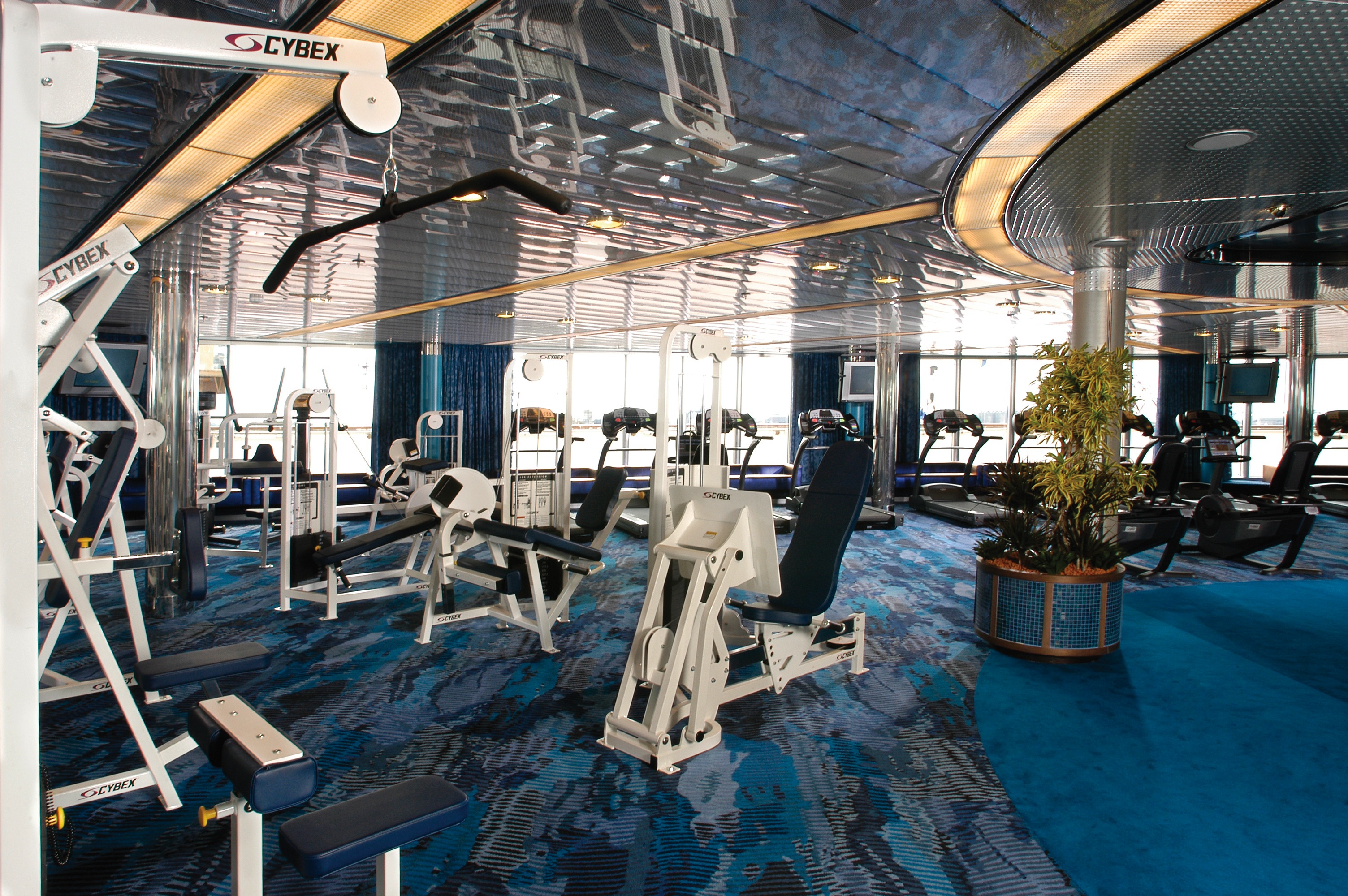
Gym, Exercise Class, Sports Court

Fitness Centre

All Holland America ships have a Fitness Center featuring the latest in workout equipment as well as free weights, instructor led classes, and optional personal training.
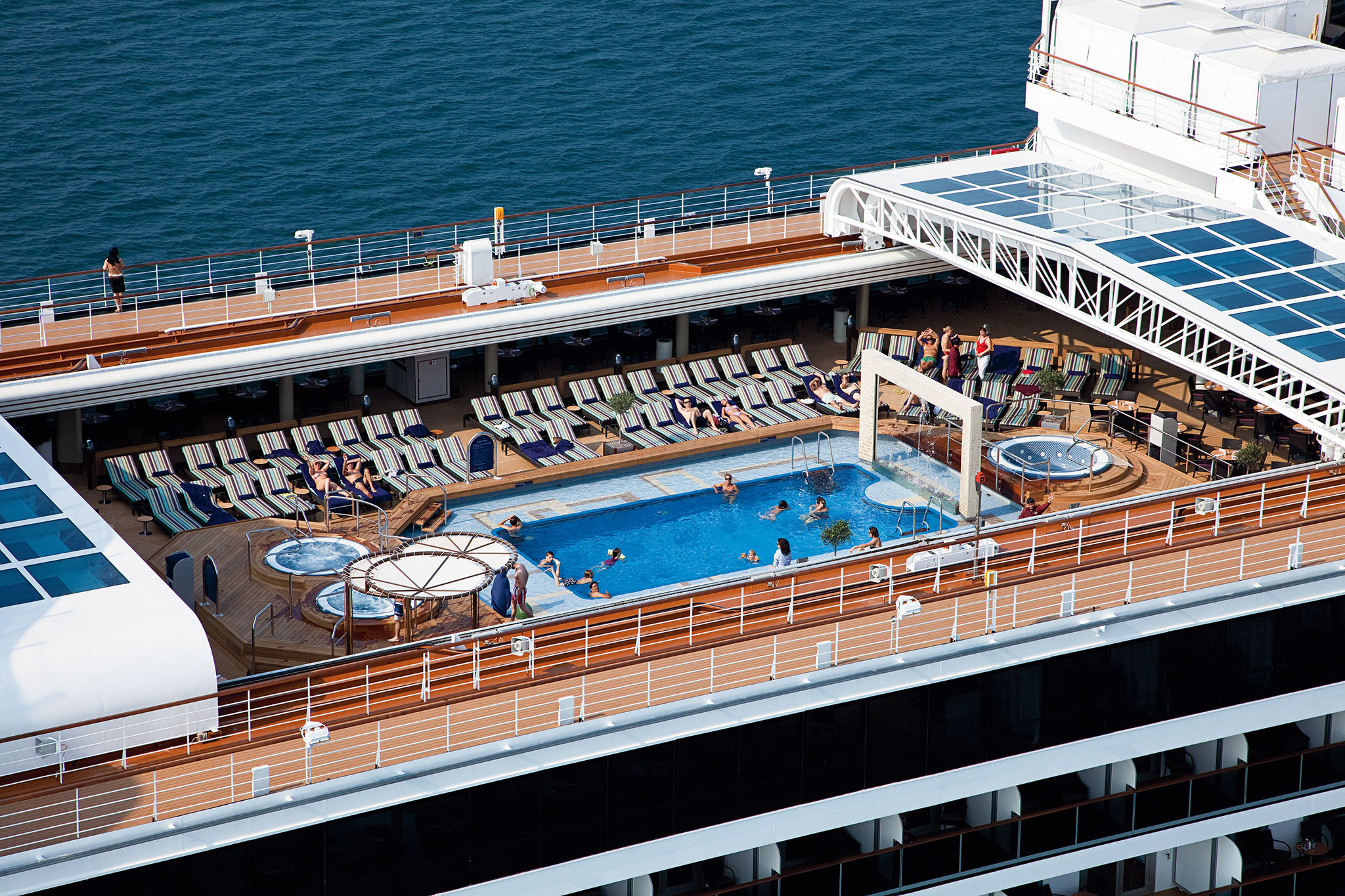
Pool, Whirlpool/Jacuzzi

Lido & Sea View Pool

The Sea View Pool aft of deck 9 is the ship's open air pool featuring two whirlpools and served by the Sea View Bar and Slice the pizzeria.

The pool itself has a shallow area around the edge of it for sitting in to cool down. This pool is designated for adults only.

The Lido Pool is also located midship on deck 9. It has 3 hot tubs and is protected by a retractable glass dome cover during inclement weather. It is served by the Lido Bar and Trident Grill for light meals and has a bandstand for live entertainment. 
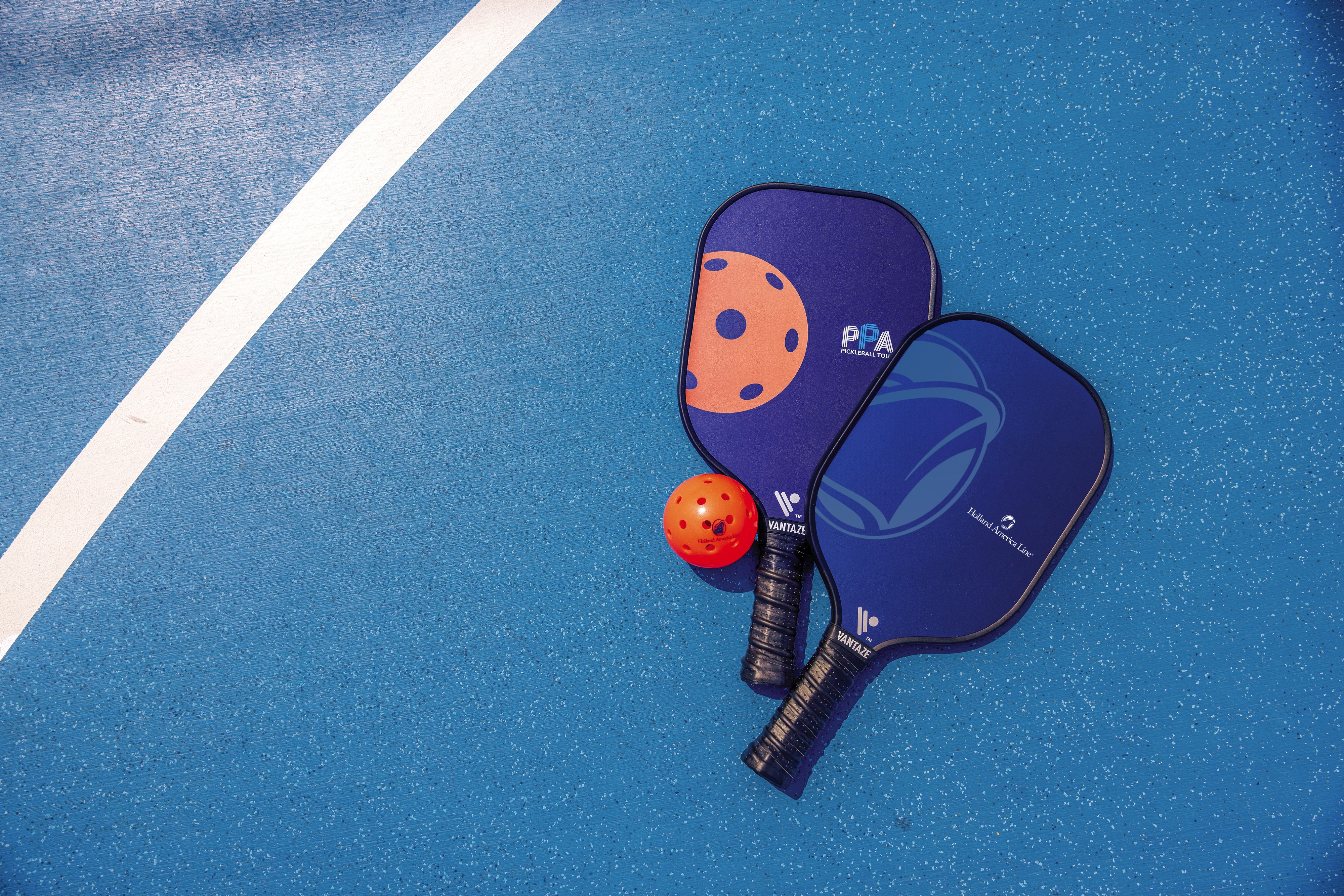
Sports Court

Pickleball At Sea

Whether you're new to the game or a pro, each Holland America ship offers one or two ocean-view courts, so you can serve, volley, and score while sailing the world.

Kids Programs (Ages 3-6)

A world of supervised fun awaits — arts & crafts, sports, and games — all designed to spark creativity and help kids build real friendships at sea.
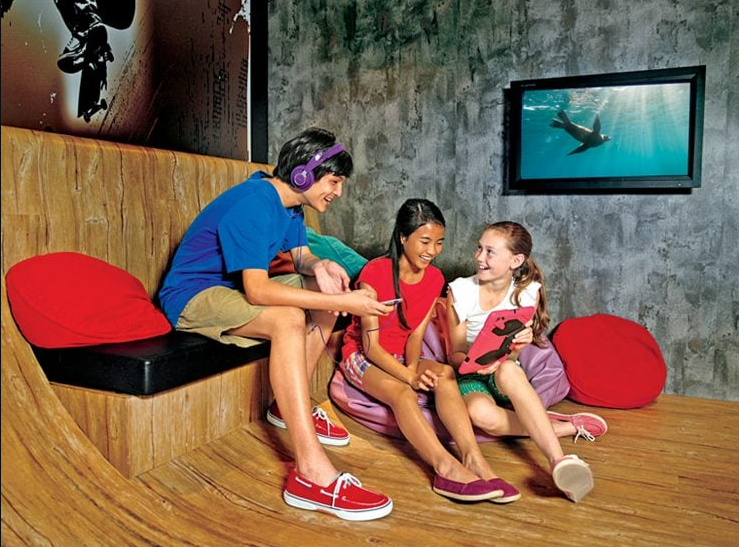
Tweens Programs (Ages 7-11)

From arts & crafts and sporting events to video gaming tournaments and movie nights, there's plenty to keep tweens engaged.
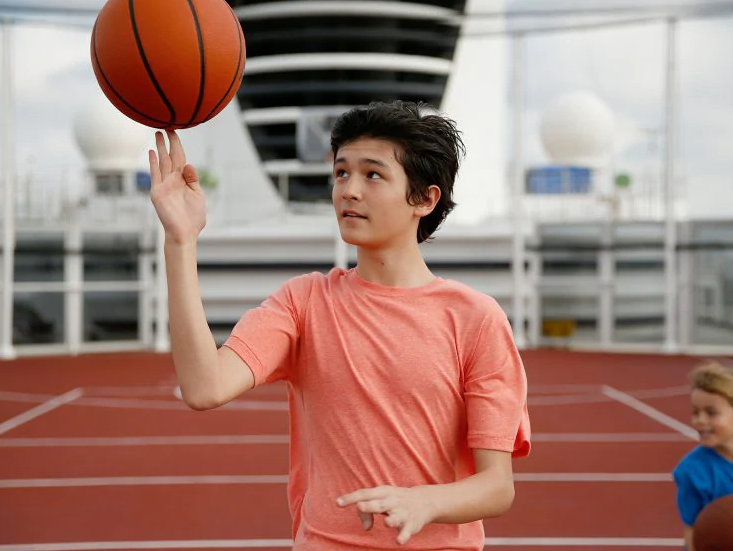
Teens Programs (Ages 12-17)

Teens connect through sports, group games, movie nights, and dedicated hangouts, plus exclusive evening events like video game tournaments.

Special Needs


Children with special needs are welcome in Kids Club by age. Some activities may require parental support — please share needs at booking.
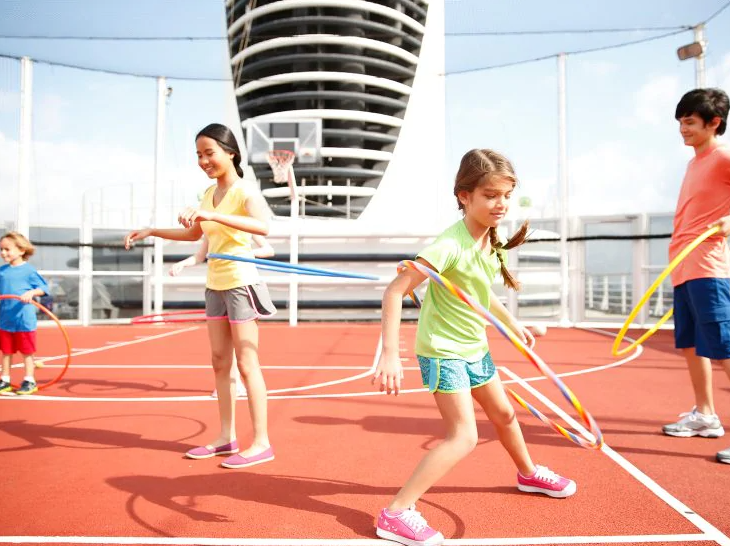
Port Day Activities

Kids Club activities are available from 9 a.m. to 12 p.m. and 1 p.m. to 4 p.m. on port days*. Lunch is not offered as part of this service. Children must be registered and signed into and out of programming by a parent or guardian.

*Hours of operation may change to better serve our guests.