28-Day South Korea Discovery & Circle Japan

28-Day South Korea Discovery & Circle Japan

About This Cruise

Who Is This Cruise For?

  • Families

    5 kids’ and teens’ clubs on board Noordam

  • Couples

    A premium ship with a grown-up, relaxed atmosphere

  • Over 50s

    Holland America Line is a favourite with mature travellers

  • Groups & friends

    Noordam is a big resort ship with plenty to do together

Type

Ocean, Premium

Ship

Noordam

Departure Date

12 March 2028

Cruise Line

Holland America Line

Duration

28 Nights

Select Your Cabin Type
Select your cabin type
Call Us at (01) 554 1010

Itinerary

Japan

Tokyo

Lights, sushi, manga! Sprawling, frenetic, and endlessly fascinating, Japan’s capital is a city of contrasts. Shrines and gardens are pockets of calm between famously crowded streets and soaring office buildings. Mom-and-pop noodle houses share street space with Western-style chain restaurants and exquisite fine dining. Shopping yields lovely folk arts as well as the newest electronics. And nightlife kicks off with karaoke or sake and continues with techno clubs and more. Whether you seek the traditional or the cutting edge, Tokyo will provide it.

Japan

Kochi

No summary for this day yet.

Japan

Kagoshima

Kagoshima city is the capital of Kagoshima prefecture and also Kyushu’s southernmost major city. This city is often compared to its Italian sister city Naples, due to its’s similarities such as mild climate and active volcano, Sakurajima. Sakurajima is one of the most renowned active volcanos not only in Japan but also in the whole entire world. This smoking Sakurajima is centred in Kinko Bay and is one of the main symbols of this prefecture. We cannot talk about Sakurajima without the history of continuous eruption. Sakurajima used to be an isolated island; however, the land has banded together with Osumi peninsula from the eruption in 1914. You may have a chance to see the smoke coming from the top of Sakurajima depending on the weather condition. Not only does the scenery of Sakurajima represent the beauty of Kagoshima City but Senganen garden is also symbolic to elegance in the Kagoshima region. This Japanese garden was constructed by a feudal lord, Mitsuhisa Shimazu, as a guest house of the Kagoshima castle which attracts many visitors for its splendid view.

Japan

Nagasaki

Nagasaki city has developed into one of the most important port cities in Japan. During Japan’s period of isolation in the 17th century, Nagasaki played a prominent role in foreign trade relation and only a very few ports were open to restricted numbers of foreign traders. Even though Holland was a major country who conducted trading during this period, Dutch people were only allowed to stay in Dejima Island and were not allowed to have contact with the Japanese people. Today, you will still find the strong influence of Dutch and Chinese culture in the city which is very different from all other cities in Japan. In the more recent history, Nagasaki became the second city after Hiroshima to be destroyed by an atomic bomb towards the end of World War II. From the visit to Atomic bomb museum and peace memorial park, people could understand how chaotic the situation was and the agony that the people in the days have experienced from the damage inflicted by the atomic bomb. It continues to appeal to the world with their wish for world peace.

South Korea

Incheon

No summary for this day yet.

South Korea

Incheon

No summary for this day yet.

South Korea

Jeju Island

No summary for this day yet.

South Korea

Busan

White-sand city beaches and hot-spring resorts may not be everyone's first image of Korea, but these are what Koreans flock to Busan for all year. And there are plenty of opportunities for rest, relaxation, retail therapy, and even a touch of glamour every October with the Busan International Film Festival. Busan's beaches are the big summertime draw but there is plenty to be seen year round. Quintessential experiences include taking some rest and relaxation at a local spa and exploring the Beomeosa temple complex.

Japan

Fukuoka

No summary for this day yet.

No summary for this day yet.

Japan

Osaka

From Minami's neon-lighted Dotombori and historic Tenno-ji to the high-rise class and underground shopping labyrinths of Kita, Osaka is a city that pulses with its own unique rhythm. Though Osaka has no shortage of tourist sites, it is the city itself that is the greatest attraction. Home to some of Japan's best food, most unique fashions, and warmest locals, Osaka does not beg to be explored—it demands it. More than anywhere else in Japan, it rewards the impulsive turn down an interesting side street or the chat with a random stranger. People do not come here to see the city, they come to experience it.Excluded from the formal circles of power and aristocratic culture in 16th-century Edo (Tokyo), Osaka took advantage of its position as Japan's trading center, developing its own art forms such as Bunraku puppet theater and Rakugo comic storytelling. It was in Osaka that feudal Japan's famed Floating World—the dining, theater, and pleasure district—was at its strongest and most inventive. Wealthy merchants and common laborers alike squandered fortunes on culinary delights, turning Osaka into "Japan's Kitchen," a moniker the city still has today. Though the city suffered a blow when the Meiji government canceled all of the samurai class's outstanding debts to the merchants, it was quick to recover. At the turn of the 20th century, it had become Japan's largest and most prosperous city, a center of commerce and manufacturing.Today Osaka remains Japan's iconoclastic metropolis, refusing to fit Tokyo's norms and expectations. Unlike the hordes of Tokyo, Osakans are fiercely independent. As a contrast to the neon and concrete surroundings, the people of Osaka are known as Japan's friendliest and most outgoing. Ask someone on the street for directions in Tokyo and you are lucky to get so much as a glance. Ask someone in Osaka and you get a conversation.The main areas of the city, Kita (north) and Minami (south), are divided by two rivers: the Dojima-gawa and the Tosabori-gawa. Between Kita and Minami is Naka-no-shima, an island and the municipal center of Osaka. Kita (north of Chuo Dori) is Osaka's economic hub and contains Osaka's largest stations: JR Osaka and Hankyu Umeda. The area is crammed with shops, department stores, and restaurants. Nearby are a nightlife district, Kita-shinchi; Naka-no-shima and the Museum of Oriental Ceramics; Osaka-jo (Osaka Castle); and Osaka Koen (Osaka Park). Restaurants, bars, department stores, and boutiques attract Osaka's youth to Minami (south Chuo Dori); theatergoers head to the National Bunraku Theatre and electronics-lovers to Den Den Town. For a glimpse of old Osaka, visit Tenno-ji Temple and Shin Sekai. The main stations are Namba, Shin-sai-bashi, Namba Nankai, and Tenno-ji. There's easy access to the Municipal Museum of Fine Art and Sumiyoshi Taisha (Sumiyoshi Grand Shrine).The bay area, to the west of the city center, is home to the Osaka Aquarium and Universal Studios Japan. The Shinkansen stops at Shin-Osaka, three stops (about five minutes) north of Osaka Station on the Mido-suji subway line. To the north of Shin-Osaka is Senri Expo Park.

Japan

Tokyo

Lights, sushi, manga! Sprawling, frenetic, and endlessly fascinating, Japan’s capital is a city of contrasts. Shrines and gardens are pockets of calm between famously crowded streets and soaring office buildings. Mom-and-pop noodle houses share street space with Western-style chain restaurants and exquisite fine dining. Shopping yields lovely folk arts as well as the newest electronics. And nightlife kicks off with karaoke or sake and continues with techno clubs and more. Whether you seek the traditional or the cutting edge, Tokyo will provide it.

Japan

Shimizu

The salt and pepper cone of Japan's most famous natural landmark won’t fail to take your breath away, as it soars into the sky in a vision of spectacular symmetry. Make sure your camera is fully prepared before you dock in Shimizu’s port, where unparalleled views of the extraordinary Mount Fuji’s dramatic peak await. Take your time to soak up one of Japan's most iconic views, before dipping your toes into the rest of what this destination of tranquil temples has to offer. While there’s a bustling fish market, and a charming amusement park waiting close to the port, most new arrivals immediately set off in pursuit of the best views of Mount Fuji, or to see the stunning panorama on offer from the heights of the Kunozan Toshogu Shrine. Take the cable car up to the top, to experience the tranquillity around the forested shrine, and to enjoy its stunning architecture of deep scarlets and gleaming golds. You can also enjoy heart-stopping views out over the Bay of Suruga, and the tea plantations below.

Japan

Osaka

From Minami's neon-lighted Dotombori and historic Tenno-ji to the high-rise class and underground shopping labyrinths of Kita, Osaka is a city that pulses with its own unique rhythm. Though Osaka has no shortage of tourist sites, it is the city itself that is the greatest attraction. Home to some of Japan's best food, most unique fashions, and warmest locals, Osaka does not beg to be explored—it demands it. More than anywhere else in Japan, it rewards the impulsive turn down an interesting side street or the chat with a random stranger. People do not come here to see the city, they come to experience it.Excluded from the formal circles of power and aristocratic culture in 16th-century Edo (Tokyo), Osaka took advantage of its position as Japan's trading center, developing its own art forms such as Bunraku puppet theater and Rakugo comic storytelling. It was in Osaka that feudal Japan's famed Floating World—the dining, theater, and pleasure district—was at its strongest and most inventive. Wealthy merchants and common laborers alike squandered fortunes on culinary delights, turning Osaka into "Japan's Kitchen," a moniker the city still has today. Though the city suffered a blow when the Meiji government canceled all of the samurai class's outstanding debts to the merchants, it was quick to recover. At the turn of the 20th century, it had become Japan's largest and most prosperous city, a center of commerce and manufacturing.Today Osaka remains Japan's iconoclastic metropolis, refusing to fit Tokyo's norms and expectations. Unlike the hordes of Tokyo, Osakans are fiercely independent. As a contrast to the neon and concrete surroundings, the people of Osaka are known as Japan's friendliest and most outgoing. Ask someone on the street for directions in Tokyo and you are lucky to get so much as a glance. Ask someone in Osaka and you get a conversation.The main areas of the city, Kita (north) and Minami (south), are divided by two rivers: the Dojima-gawa and the Tosabori-gawa. Between Kita and Minami is Naka-no-shima, an island and the municipal center of Osaka. Kita (north of Chuo Dori) is Osaka's economic hub and contains Osaka's largest stations: JR Osaka and Hankyu Umeda. The area is crammed with shops, department stores, and restaurants. Nearby are a nightlife district, Kita-shinchi; Naka-no-shima and the Museum of Oriental Ceramics; Osaka-jo (Osaka Castle); and Osaka Koen (Osaka Park). Restaurants, bars, department stores, and boutiques attract Osaka's youth to Minami (south Chuo Dori); theatergoers head to the National Bunraku Theatre and electronics-lovers to Den Den Town. For a glimpse of old Osaka, visit Tenno-ji Temple and Shin Sekai. The main stations are Namba, Shin-sai-bashi, Namba Nankai, and Tenno-ji. There's easy access to the Municipal Museum of Fine Art and Sumiyoshi Taisha (Sumiyoshi Grand Shrine).The bay area, to the west of the city center, is home to the Osaka Aquarium and Universal Studios Japan. The Shinkansen stops at Shin-Osaka, three stops (about five minutes) north of Osaka Station on the Mido-suji subway line. To the north of Shin-Osaka is Senri Expo Park.

Japan

Hiroshima

History buffs will want to write home Hiroshima. Despite being devastated in 1945, this Japanese city is known to all for its commitment peace – its ruin on the 6th August 1945 led to the end of the war and today, the Peace Memorial (a UNESCO World Heritage Site) , is a constant reminder of the destruction that war brings. A walk in the leafy boulevards of Peace Memorial Park brings quiet contemplation. The Flames of Peace – set in the park’s central feature pond – burn brightly and will continue to do so until all the nuclear bombs I the world have been destroyed. There are many other inspiring messages of hope around the city too; the Children’s’ Peace Monument just north of the park is a homage to little Sadako Sasaki, who was just two in 1945. When she developed leukemia in 1956, she believed that if she folded 1,000 paper cranes – a symbol of longevity and happiness in Japan – she would recover. Sadly she died before she finished her task but her classmates finished the rest. It is impossible to ignore the events of 1945 in Hiroshima, but this is far from a depressing place. The great efforts that have been made in rebuilding of the city over the years have given Hiroshima a vibrant, eclectic edge, with the downtown shopping area and street food stalls being well worth a visit. The proximity to Miyajima and its iconic, impressive, Torii gate should not be overlooked either. If you are lucky enough to visit during the unpredictable and short-lived Sakura (cherry blossom) season, then the extraordinary sight of the delicate pink blossom floating across the water to the red gate, means you can consider yourself one of the luckiest people on the planet.

No summary for this day yet.

South Korea

Busan

White-sand city beaches and hot-spring resorts may not be everyone's first image of Korea, but these are what Koreans flock to Busan for all year. And there are plenty of opportunities for rest, relaxation, retail therapy, and even a touch of glamour every October with the Busan International Film Festival. Busan's beaches are the big summertime draw but there is plenty to be seen year round. Quintessential experiences include taking some rest and relaxation at a local spa and exploring the Beomeosa temple complex.

Japan

Sakaiminato

Sakaiminato is a small city almost totally surrounded by water: the Sea of Japan to the east, the Sakai Channel to the north and Lake Nakaumi to the west. Across the lake the towns of Matsue and Yasugi offer interesting experiences. Matsue is known as the “Town of Water” next to scenic Lake Shinji and Lake Nakaumi. It has one of the very few wooden castles that still remain in Japan. Touring the castle and boat rides on the Horikawa River and the castle’s moat are popular. Yasugi has the Adachi Museum of Art, a private museum that houses one of the finest collections of contemporary Japanese paintings, but also has a 165,000 square metres garden –with plants and rocks collected by the museum’s founder. Six different gardens show different scenarios depending on the season. These gardens have been selected as “Japan’s best garden” for several years.

No summary for this day yet.

Japan

Maizuru

Maizuru port is considered as the gateway to the Japanese most popular historic city, Kyoto. Why don’t you relax on the coach to save your energy for your exciting day in Kyoto? Kyoto used to be the capital of Japan in the 8th century, and it was the centre for politics, economy and culture for more than 1,000 years. After capital functions were transferred to Tokyo in the middle of 19th century, luckily Kyoto did not lose its lustre. As soon as you step into the city, you will see how hard the local people tried to keep the atmosphere of the heyday. Nowadays, Kyoto is not the centre of attention within Japan anymore; nonetheless it is indeed the centre of tourism industry. There are seventeen historic sites such as Nijo castle and Kinkakuji temple which were designated a World Heritage Site. There are also numerous sites which can be seen from your coach, so please keep your eyes wide open while you are in Kyoto!

Japan

Kanazawa

The capital of the Ishikawa Prefecture, Kanazawa once rivalled Kyoto and Edo (Tokyo) as a town rich in cultural achievements. Kanazawa escaped destruction during World War II and accordingly has been able to preserve many of the old districts in good shape. The city is famous because of Kenrokuen. Located next to Kanazawa Castle, Kenrokuen is classified as “One of the Three Gardens of Japan”. The garden has an artificial pond, and hills and houses are dotted within the 11.4 hectares. It has Japan’s oldest fountain using natural water pressure and a tea-house dating back to 1774. Close by is the Higashi Chaya Gai Geisha District, designated a National Cultural Asset and the biggest of the Geisha districts of Kanazawa. Some of the houses not only retain the original structure, but still are used as Geisha houses. Some of the streets have traditional shops creating a nostalgic atmosphere. Kanazawa is also known for its lacquer ware, Kutani-style pottery, gold-leaf workmanship and delicately painted silk kimonos.

Japan

Hakodate

Facing out on two bays, Hakodate is a 19th-century port town, with clapboard buildings on sloping streets, a dockside tourist zone, streetcars, and fresh fish on every menu. In the downtown historic quarter, a mountain rises 1,100 feet above the city on the southern point of the narrow peninsula. Russians, Americans, Chinese, and Europeans have all left their mark; this was one of the first three Japanese ports the Meiji government opened up to international trade in 1859. The main sights around the foot of Mt. Hakodate can be done in a day, but the city is best appreciated with an overnight stay for the illumination in the historic area, the night views from either the mountain or the fort tower, and the fish market at dawn. City transport is easy to navigate and English information is readily available. Evening departure trains from Tokyo arrive here at dawn—perfect for fish-market breakfasts.

Japan

Miyako, Iwate

No summary for this day yet.

Japan

Hitachinaka

No summary for this day yet.

Japan

Tokyo

Lights, sushi, manga! Sprawling, frenetic, and endlessly fascinating, Japan’s capital is a city of contrasts. Shrines and gardens are pockets of calm between famously crowded streets and soaring office buildings. Mom-and-pop noodle houses share street space with Western-style chain restaurants and exquisite fine dining. Shopping yields lovely folk arts as well as the newest electronics. And nightlife kicks off with karaoke or sake and continues with techno clubs and more. Whether you seek the traditional or the cutting edge, Tokyo will provide it.
Suite

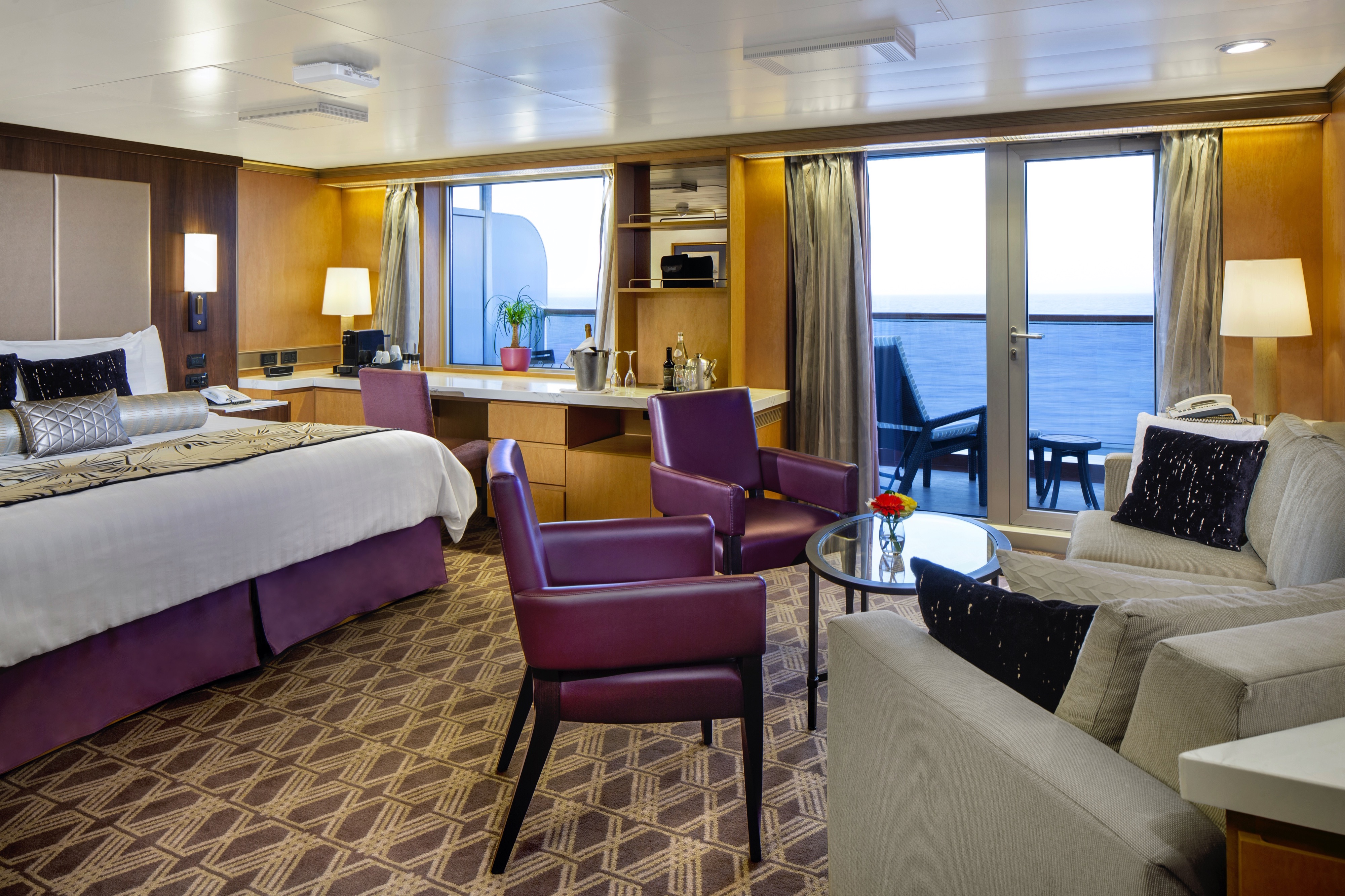
Pinnacle Suite

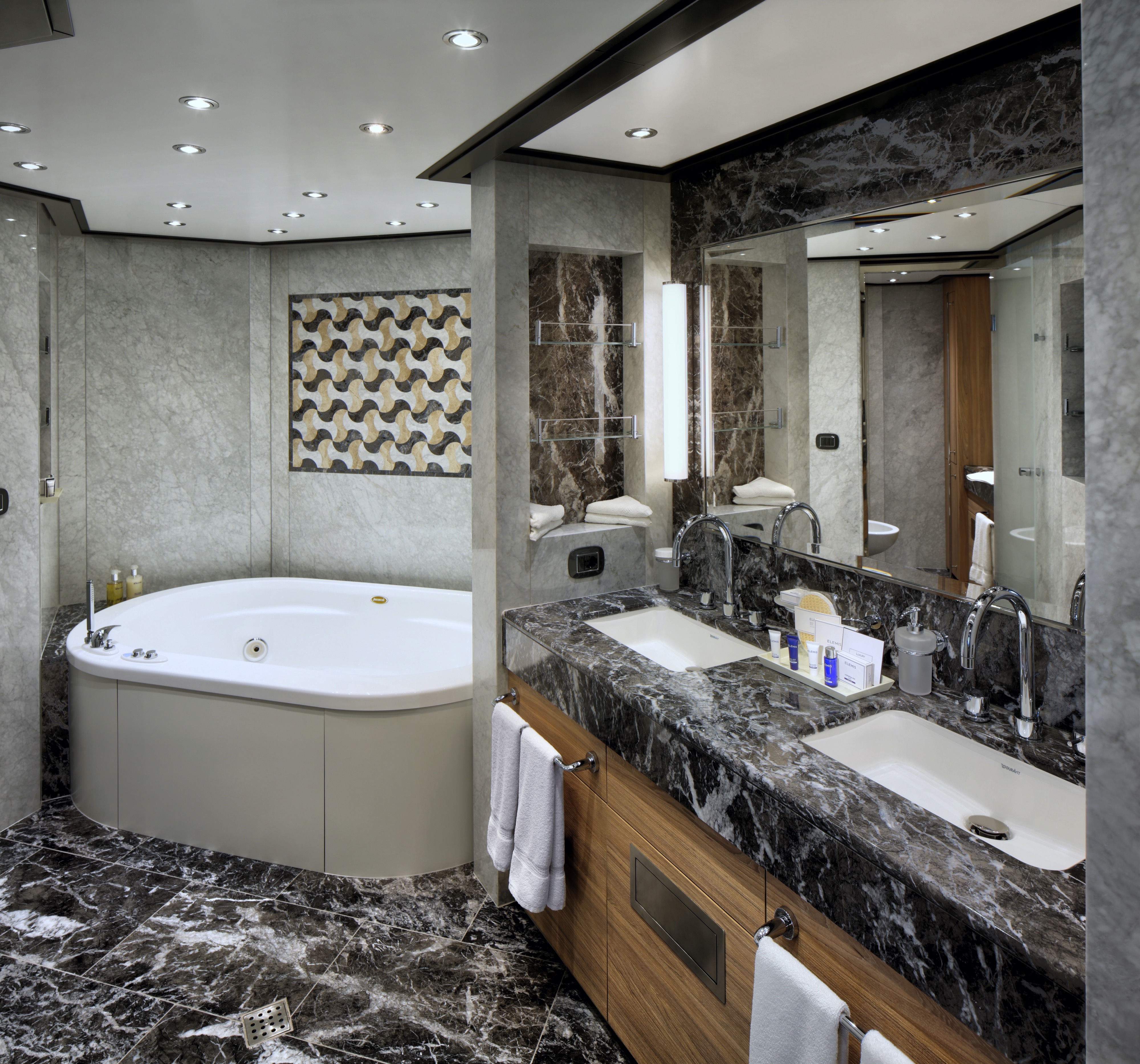
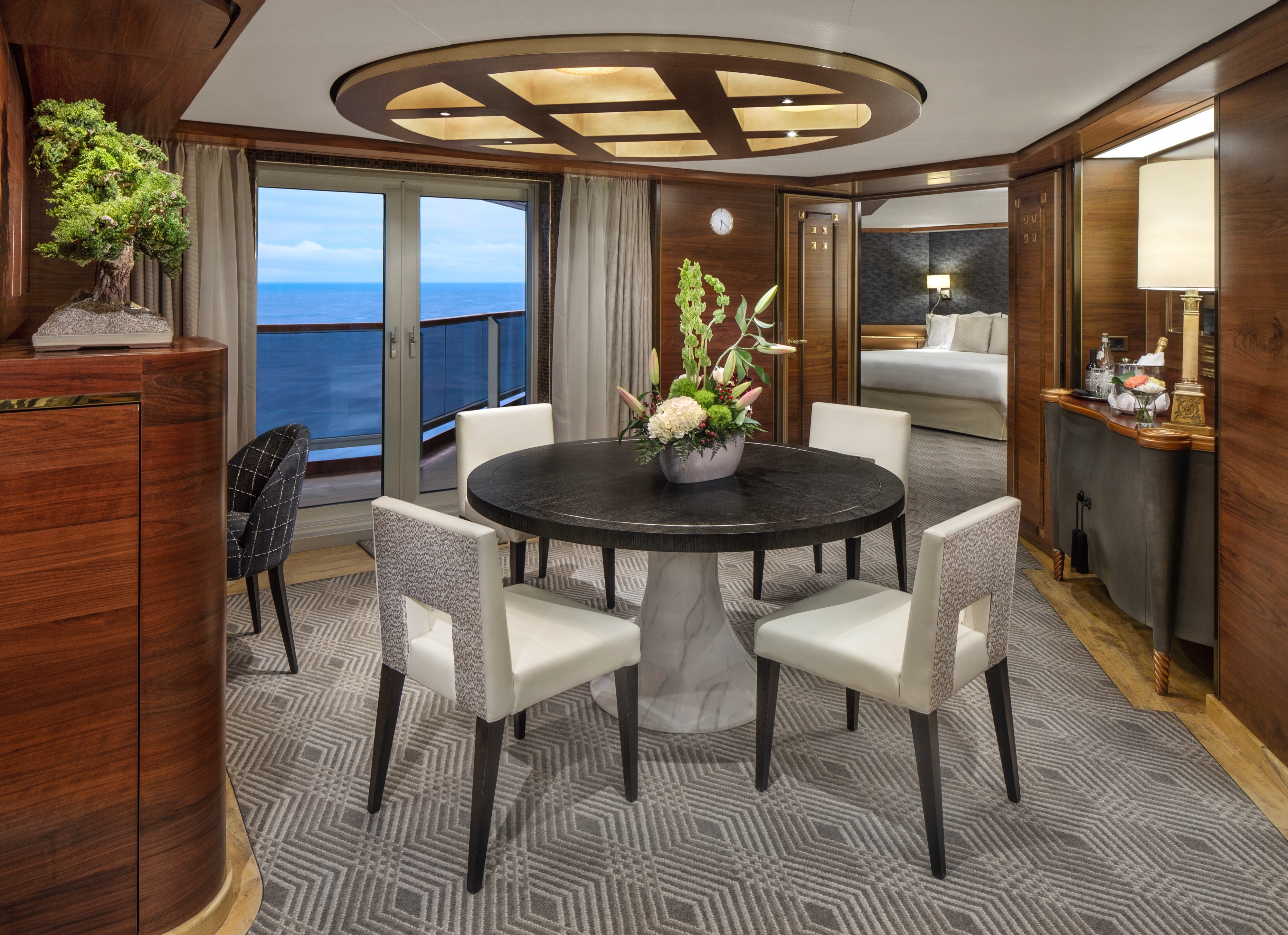
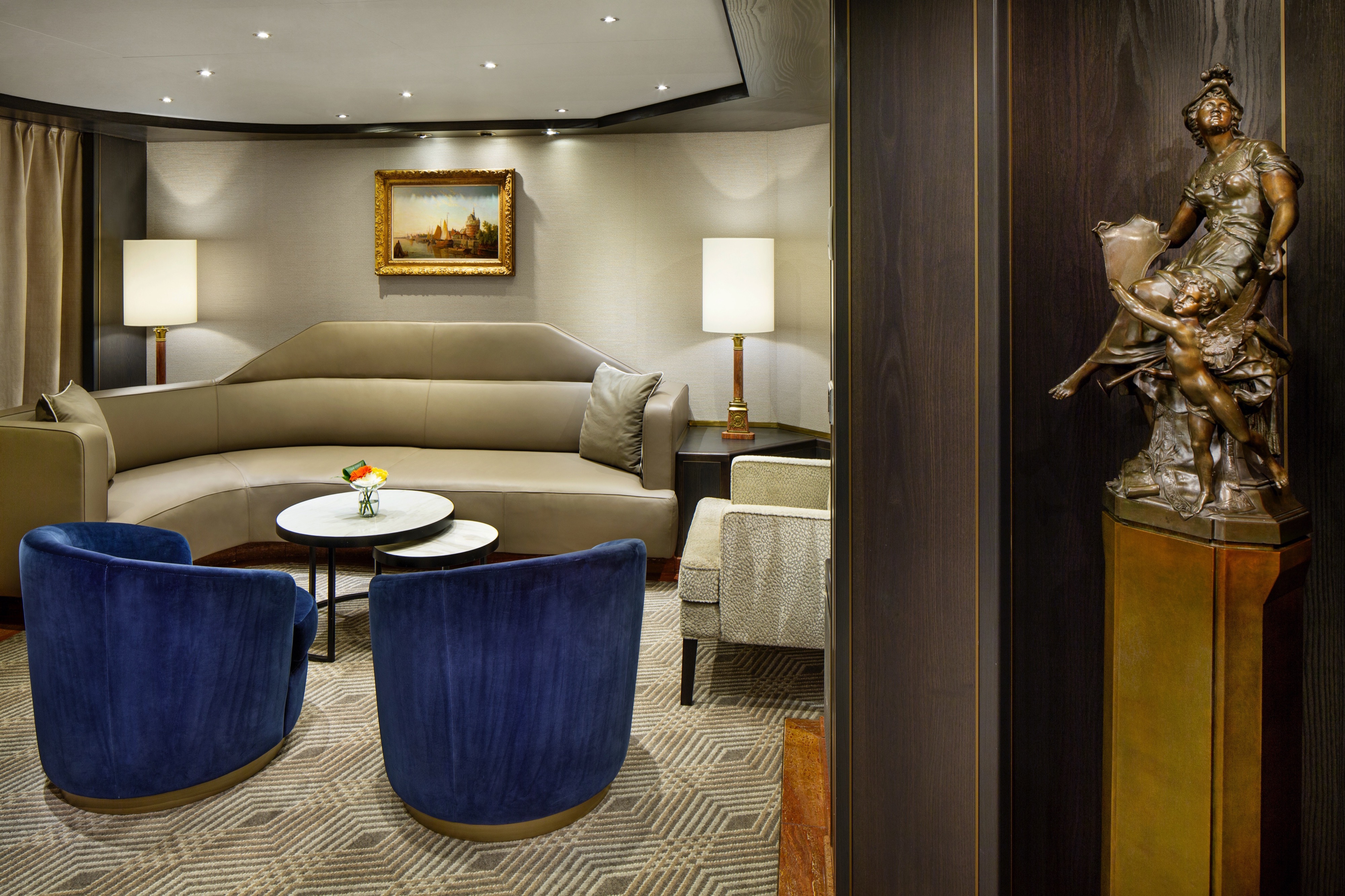
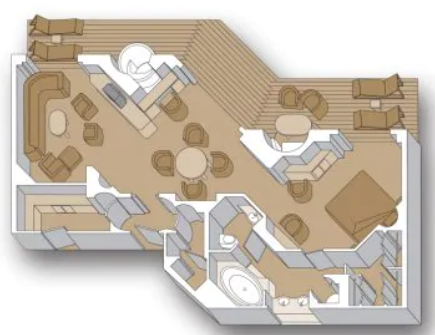
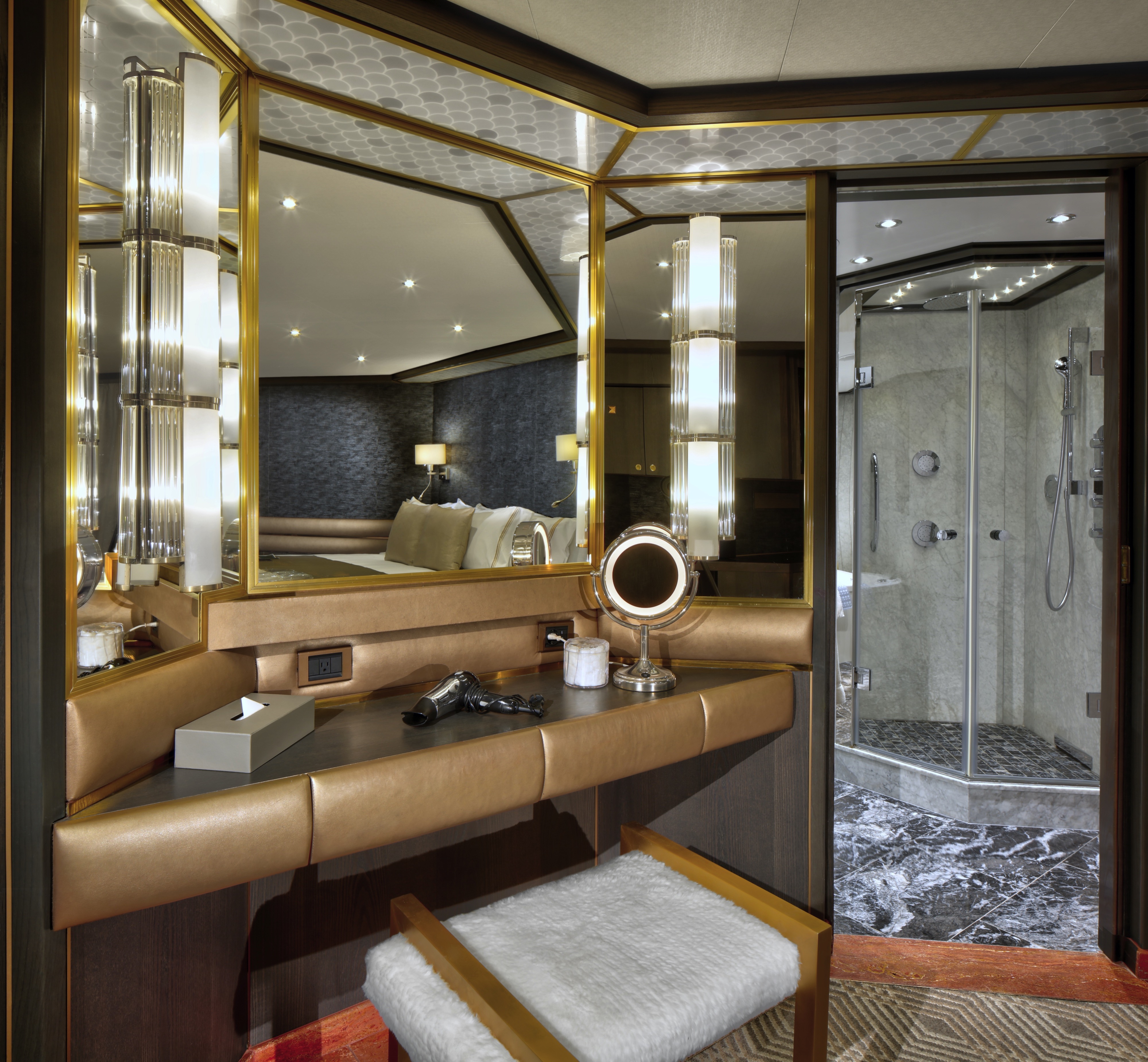
Our premier 1,150 sq. ft. Pinnacle Suite features floor-to-ceiling glass doors, a large private verandah, living, dining, and dressing rooms, and lush sleeping accommodations with luxurious Duxiana® king beds. These elegant suites sleep up to four guests and include a deep soaking tub and an independent, full-size shower stall, dual-sink vanities, and guest toilets.

  • 1,290 sq. ft.
  • Exclusive access to the Neptune Lounge
  • Personal concierge
  • Priority check-in
  • Complimentary laundry service, pressing, and dry cleaning
Suite

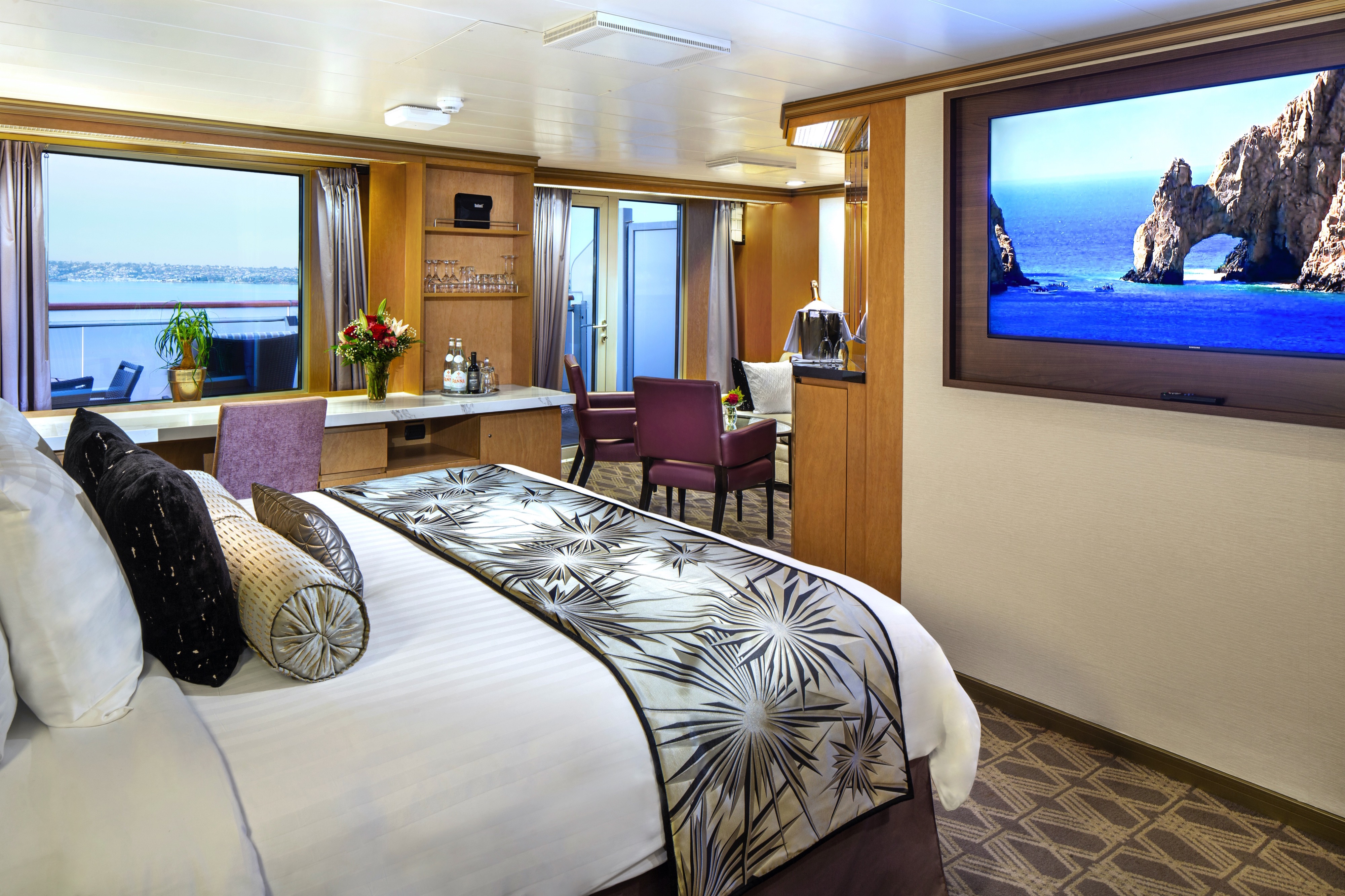
Neptune Suite

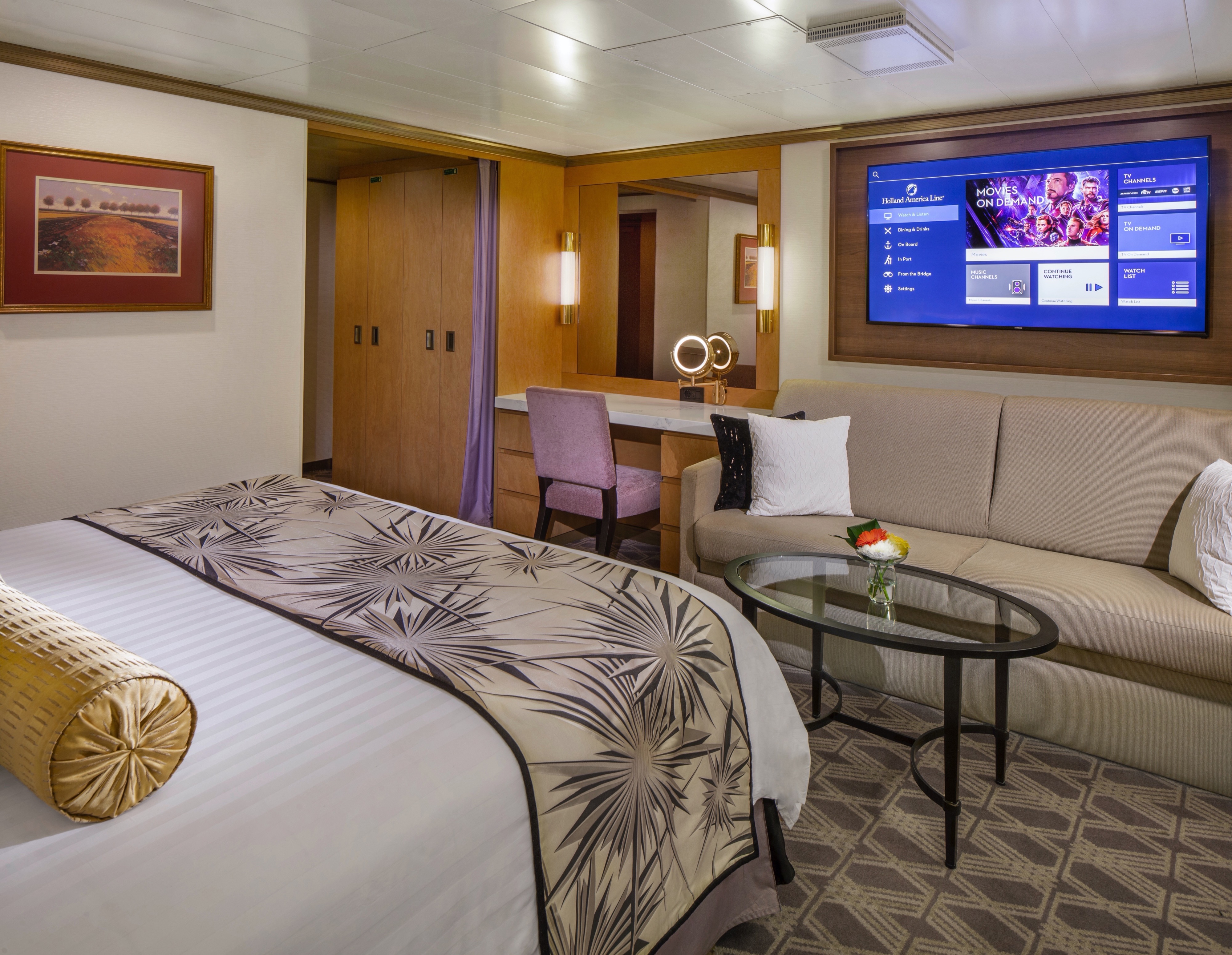
Featuring floor-to-ceiling glass doors, a spacious private verandah, expansive sitting areas, and comfortable sleeping accommodations with Mariner’s Dream™ beds, our 465–502 sq. ft. suite sleeps up to four guests and boasts a deep soaking tub and an independent, full-size shower stall, dual-sink vanities, premium bathrobes, pillow menus, fresh flowers, and binoculars.

  • 465–502 sq. ft.
  • Exclusive use of Neptune Lounge
  • Personal concierge
  • Priority check-in
  • Complimentary laundry service, pressing, and dry cleaning
Suite

Signature Suite

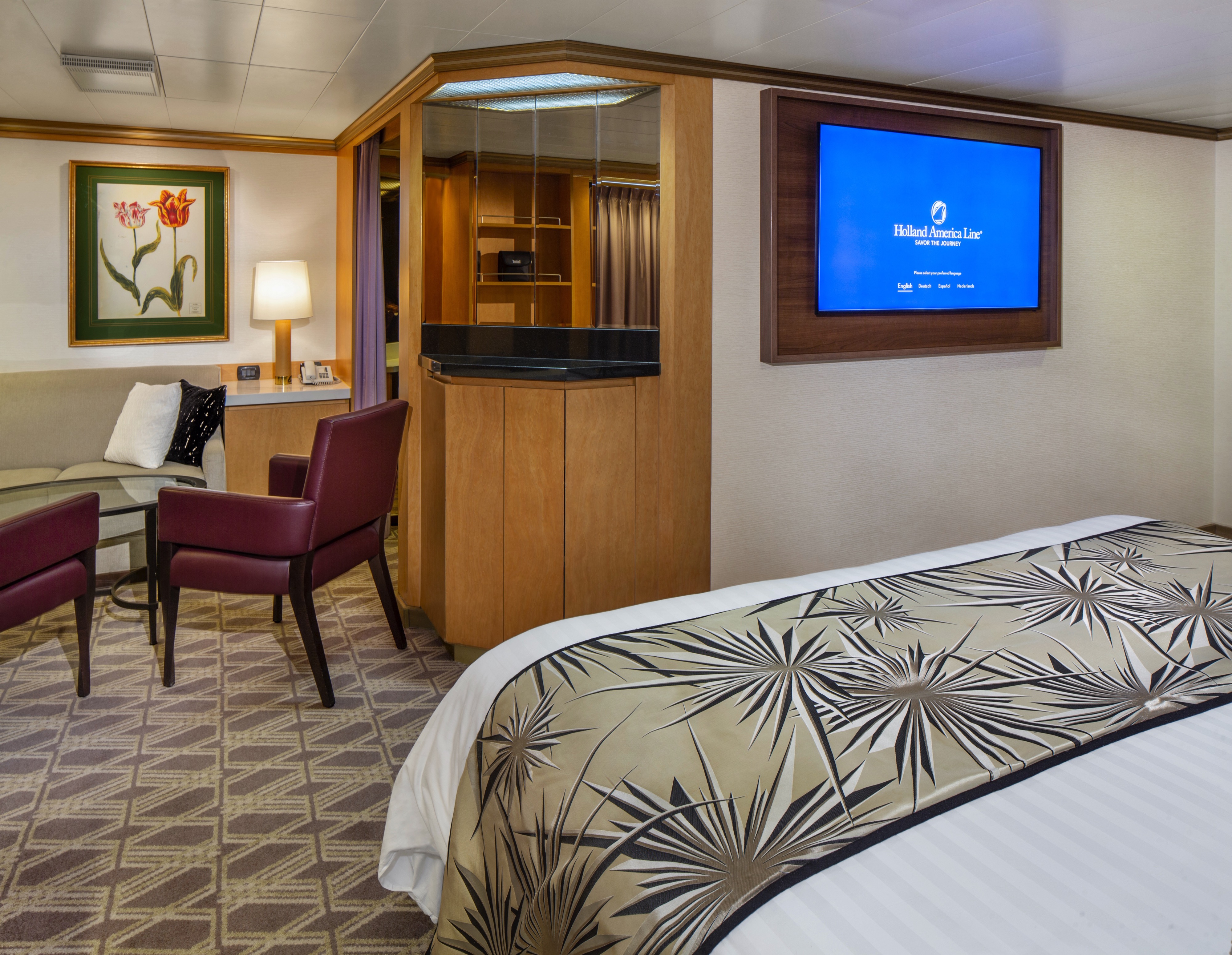
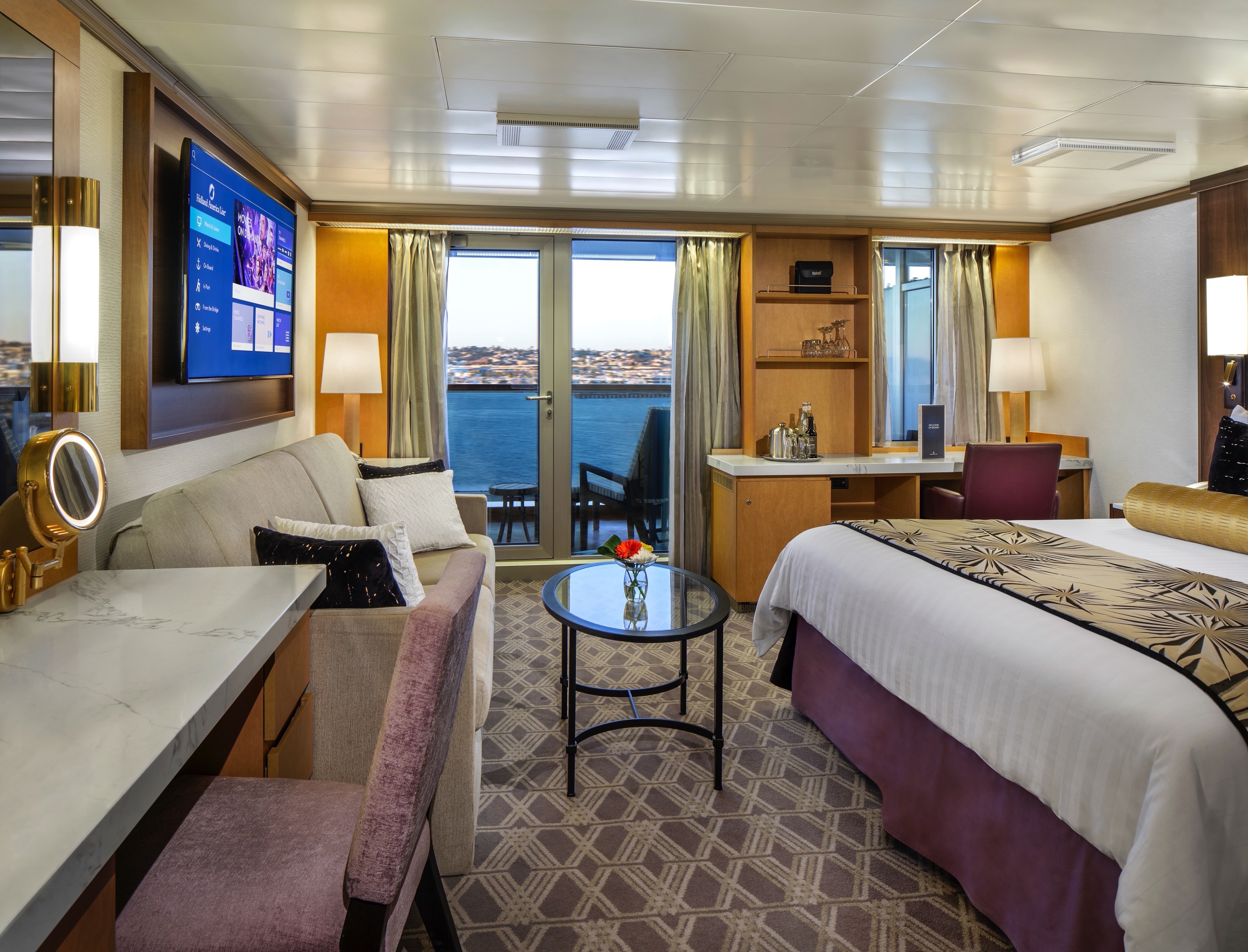
These elegant 393–400 sq. ft. suites feature a sitting area with floor-to-ceiling glass doors overlooking a private verandah. Signature Suites accommodate up to four guests with two beds that convert to a queen-size bed — our signature Mariner’s Dream™ bed, and a Murphy, Pullman, or sofa bed, depending on configuration.

  • 393–400 sq. ft.
  • Full-size Whirlpool bath
  • Refrigerator
  • Set of binoculars

Balcony

Verandah

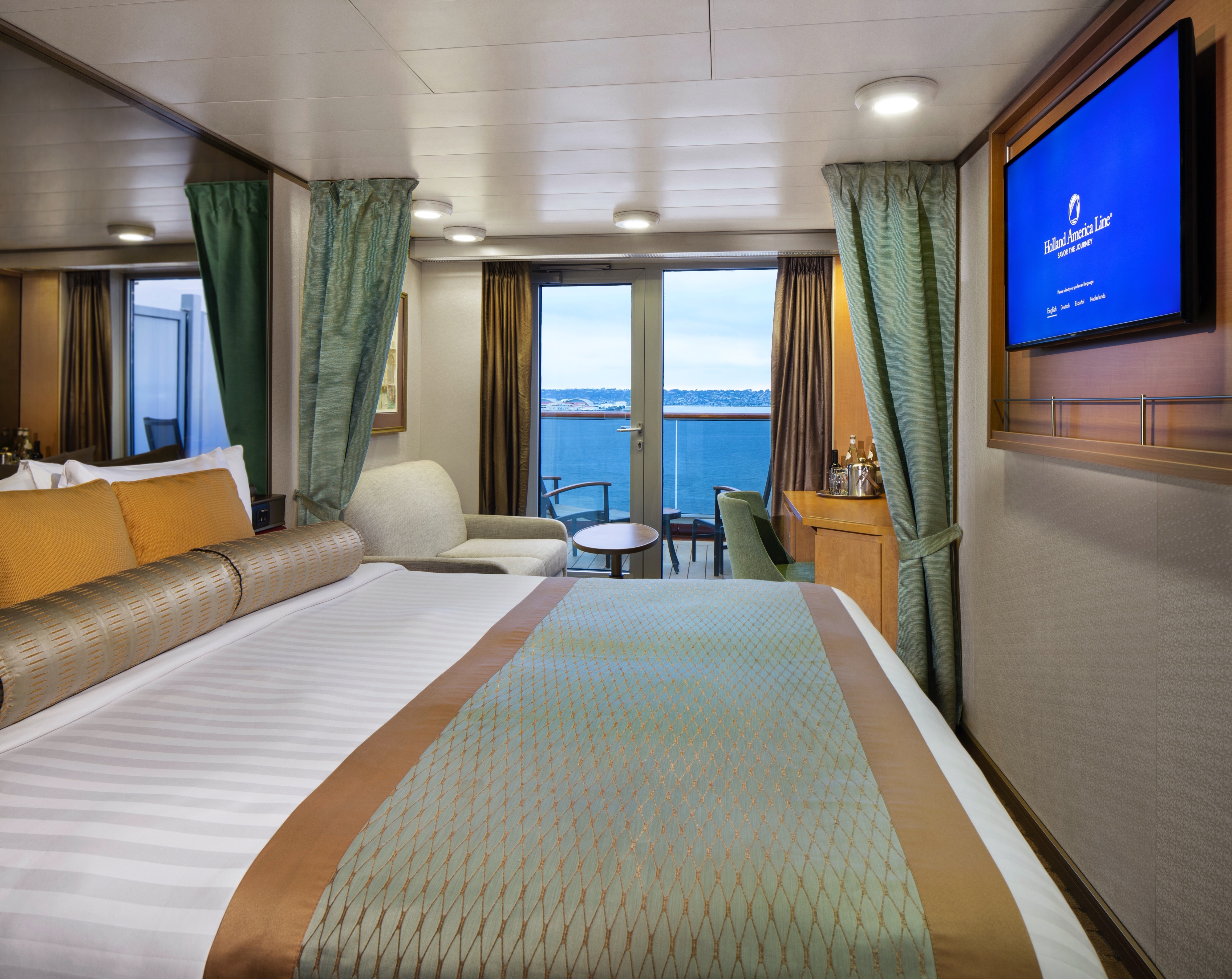
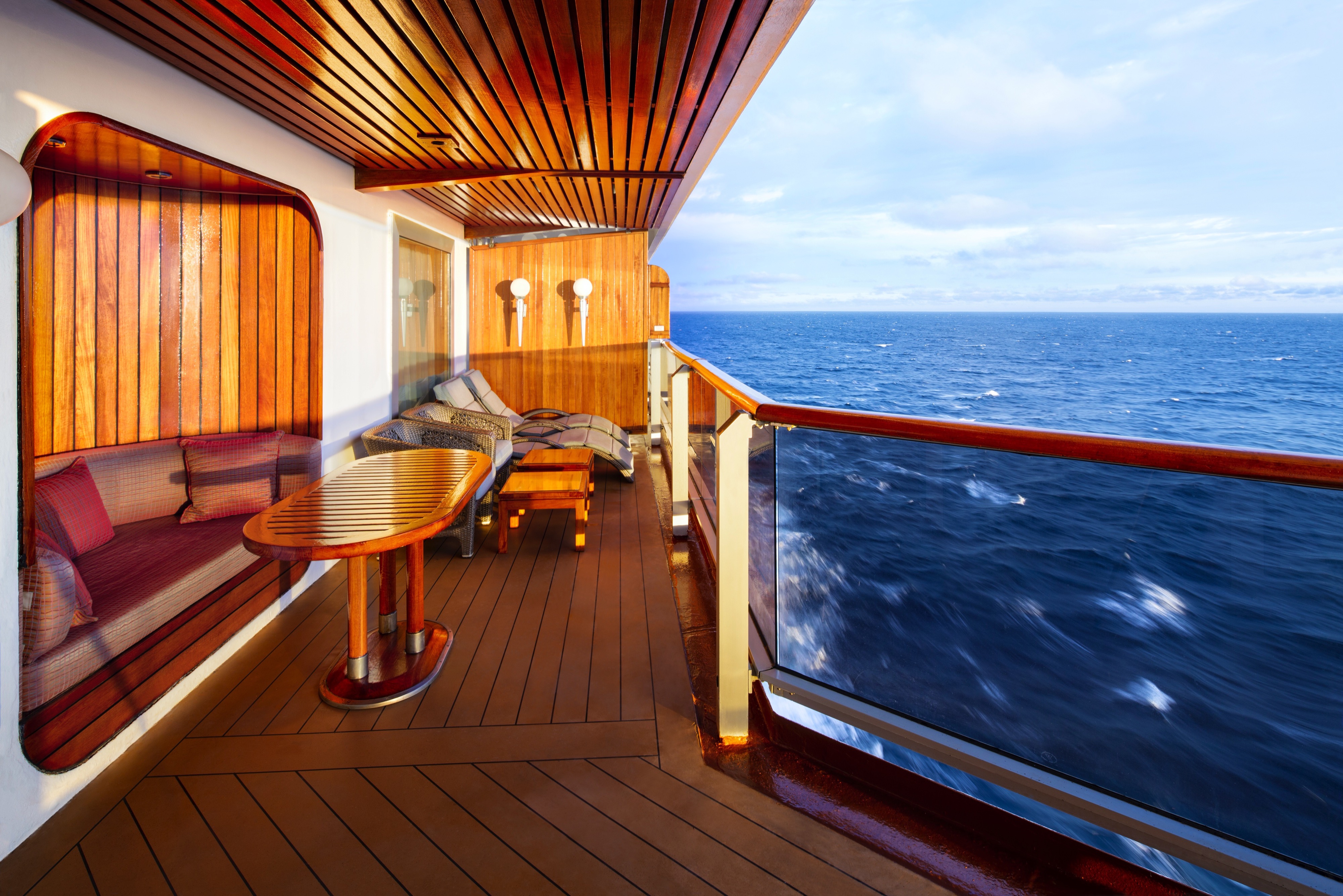
Floor-to-ceiling glass doors lead to your private balcony, infusing these coveted 228–405 sq. ft. staterooms with natural light. Enjoy a private verandah overlooking the ocean, a spacious sitting area for unwinding, and our signature Mariner’s Dream™ bed that can convert from one queen to two beds.
Outside

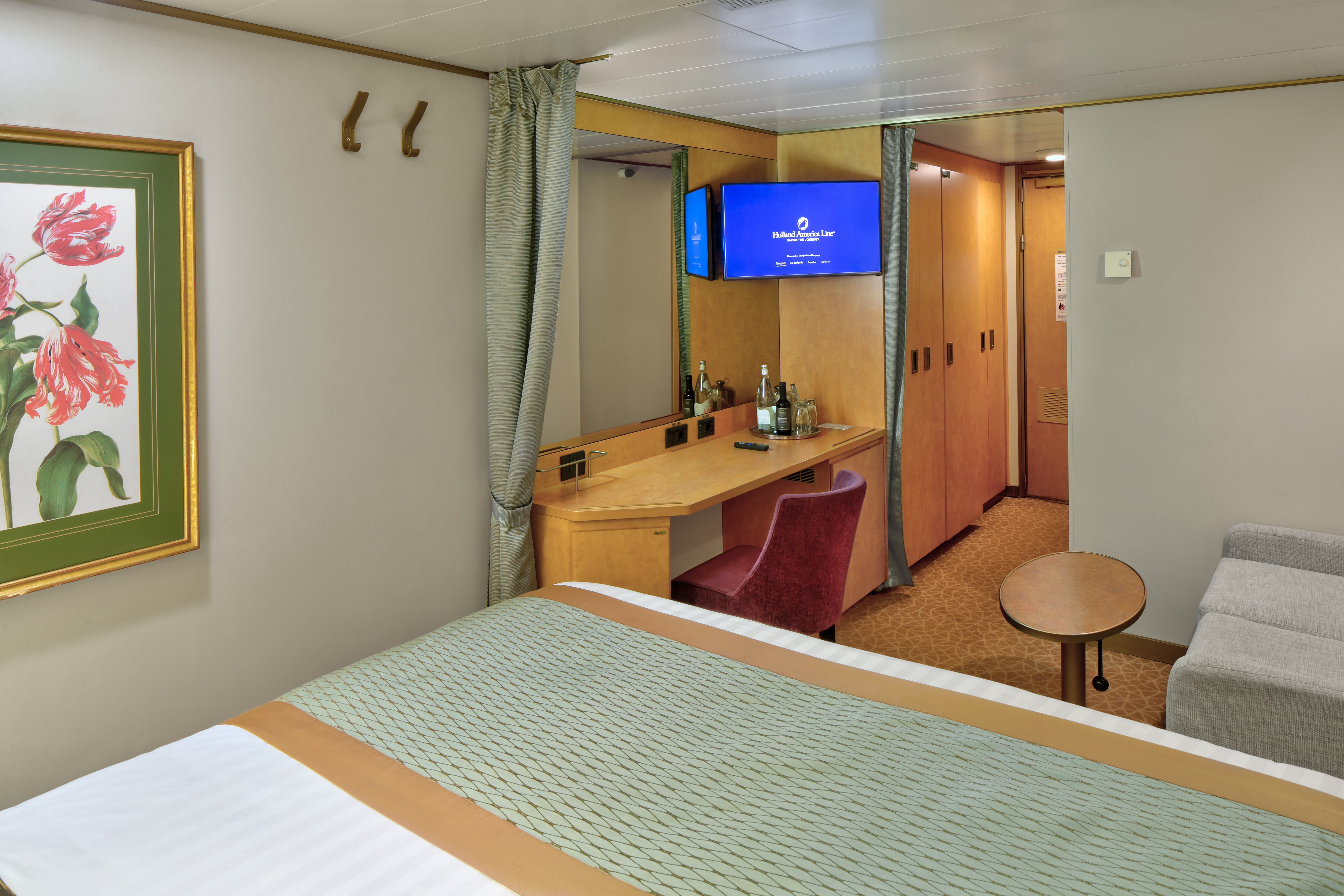
Ocean View Stateroom

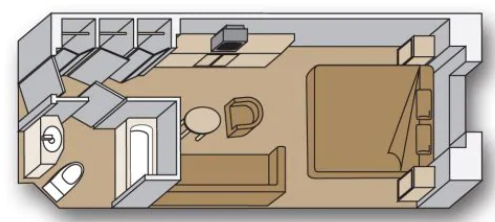
With a view of the ocean through a window or porthole, these expansive staterooms include a sitting area, two beds that convert to one queen-size bed — our signature Mariner's Dream™ bed with plush euro-top mattress — premium massage showerheads, and a host of amenities.
Outside

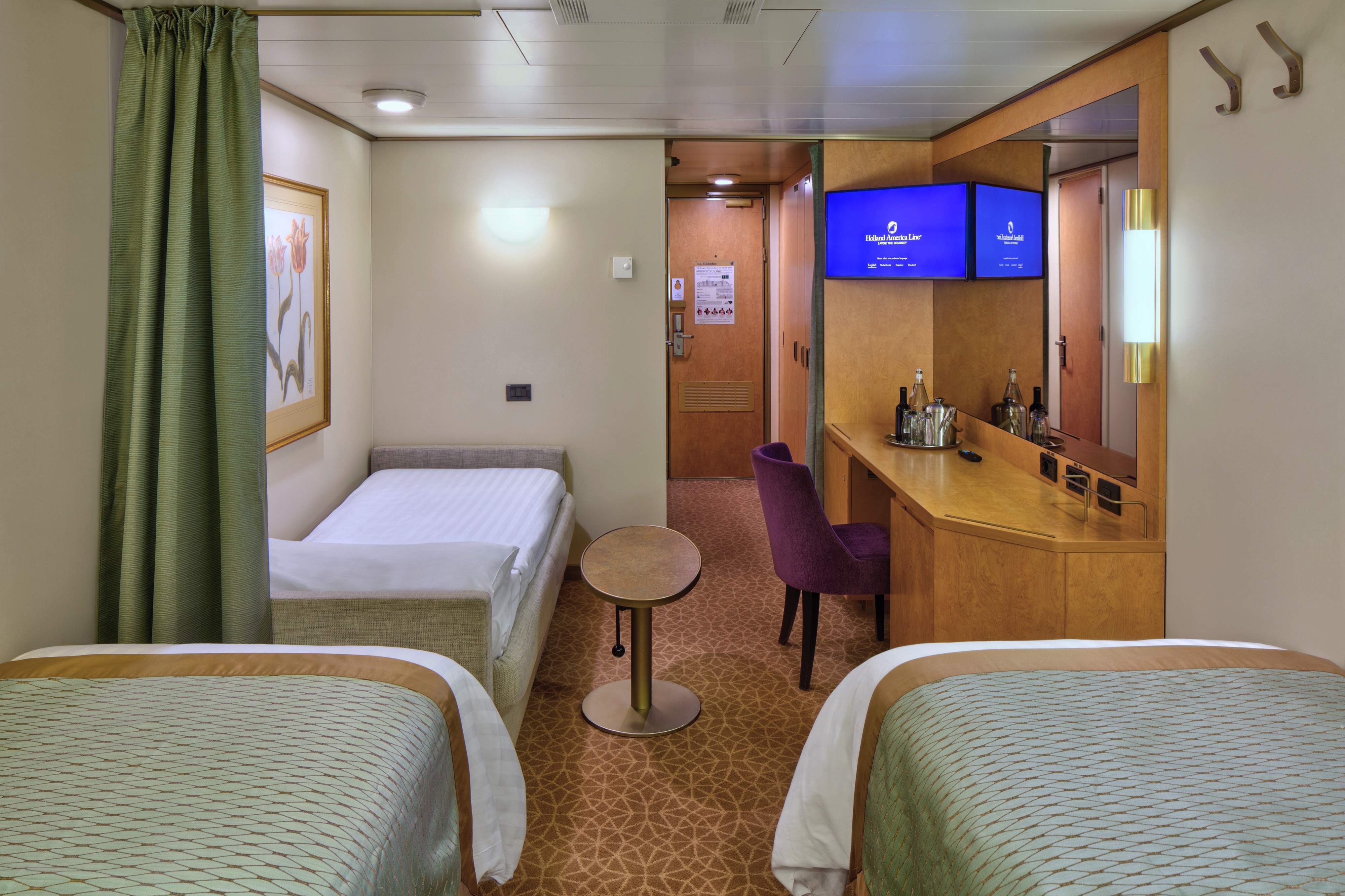
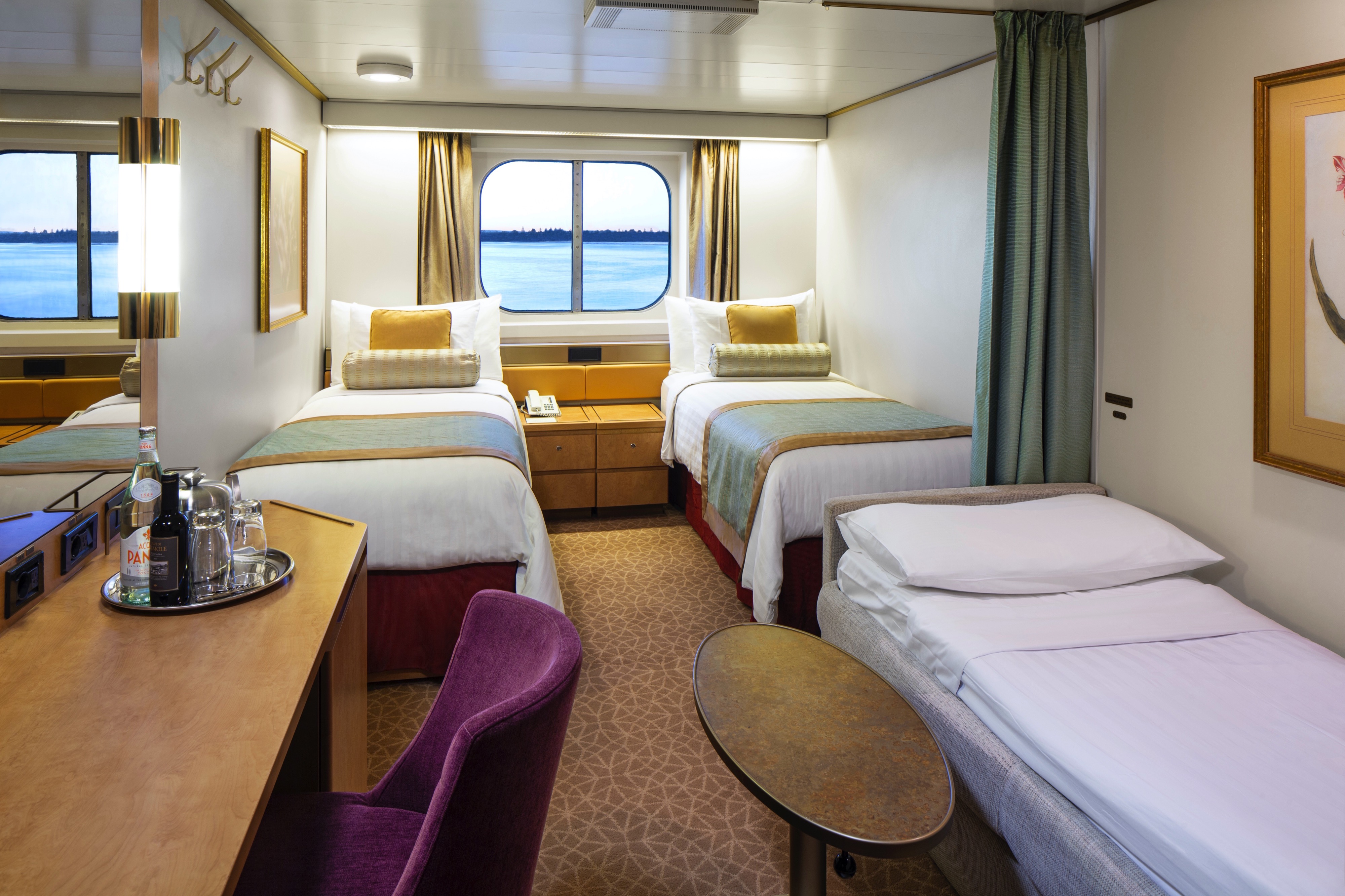
Partial View Sea

These 175–282 sq. ft. staterooms have a partially obstructed view through a window or porthole and include a sitting area, ample storage space, two beds that convert to one queen-size bed — our signature Mariner's Dream™ bed with plush euro-top mattress. Additional amenities include premium massage showerheads and a variety of tasteful touches.
Outside

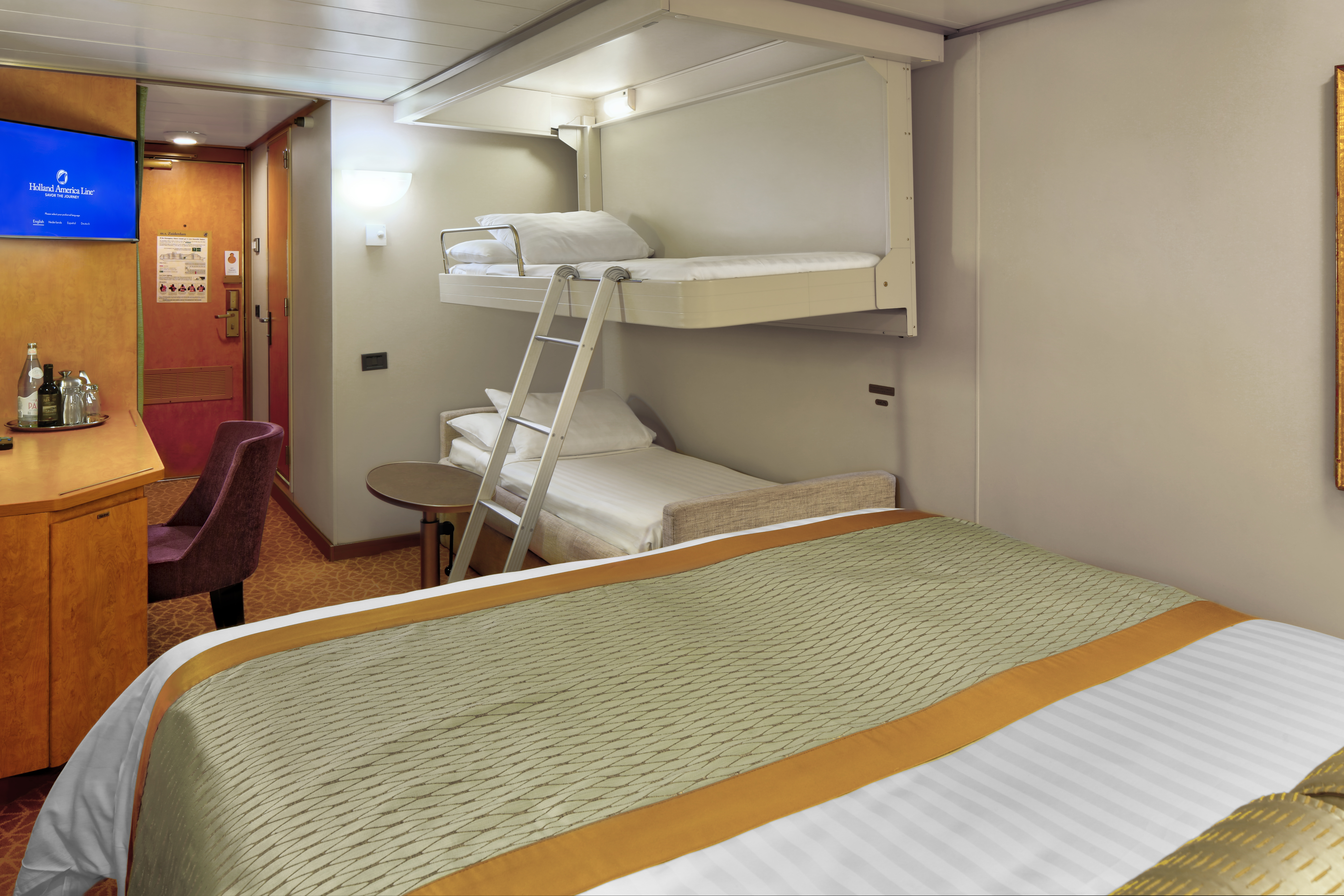
Fully Obstructed View

These 175–282 sq. ft. staterooms have a fully obstructed view through a window or porthole and include a sitting area, ample storage space, two beds that convert to one queen-size bed — our signature Mariner's Dream™ bed with plush euro-top mattress. Additional amenities include premium massage showerheads and a variety of tasteful touches.
Inside

Large Inside

Offering 222–231 square feet of space, these staterooms are designed for up to five guests and include extra closet storage and one bathroom. Each stateroom features amenities such as daily housekeeping, generous storage, deluxe bathrobes, and in-room safes for valuables.
Inside

Inside

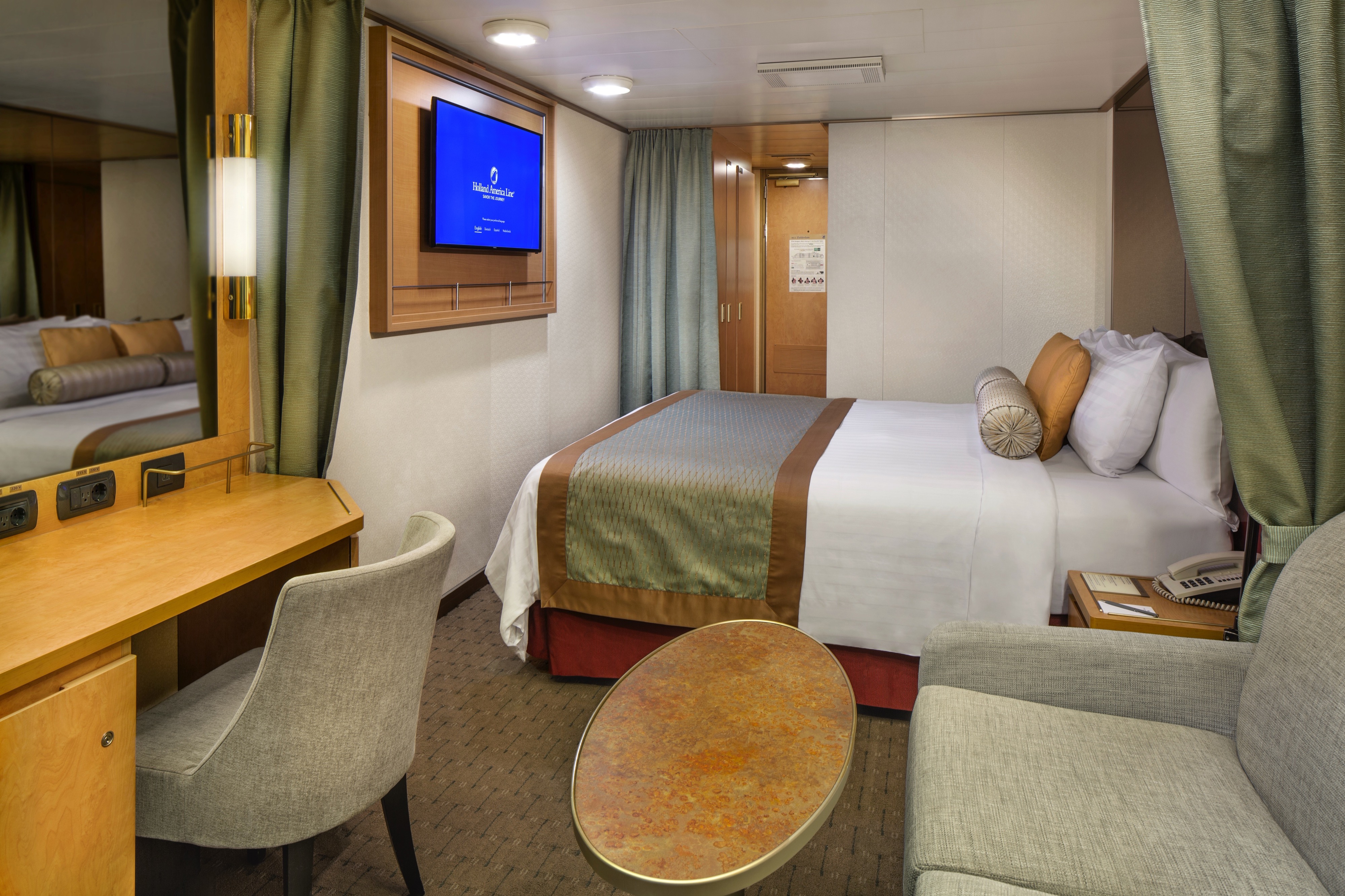
Steps from the Spa & Salon, our 143–225 sq. ft. Inside staterooms offer exceptional value with two beds that convert to one queen-size bed — our signature Mariner's Dream™ bed with plush euro-top mattress — and premium massage showerheads.
surf_turf

Pinnacle Grill

Welcome to Pinnacle Grill, our signature chophouse featuring Wagyu, seafood, regional specialties, sides, wines & desserts.
italian

Canaletto

In Italy, there’s nothing more important than coming together to celebrate the joy of great food. Canaletto's crafted menu is inspired by the simplicity of Italian food and its rich, robust flavors. And at Canaletto, our pasta is made from scratch each and every day. Buon Appetito!
fine

The Dining Room

Multi-course dining with fresh seafood, global flavors, and flexible options daily, all included in your cruise fare.
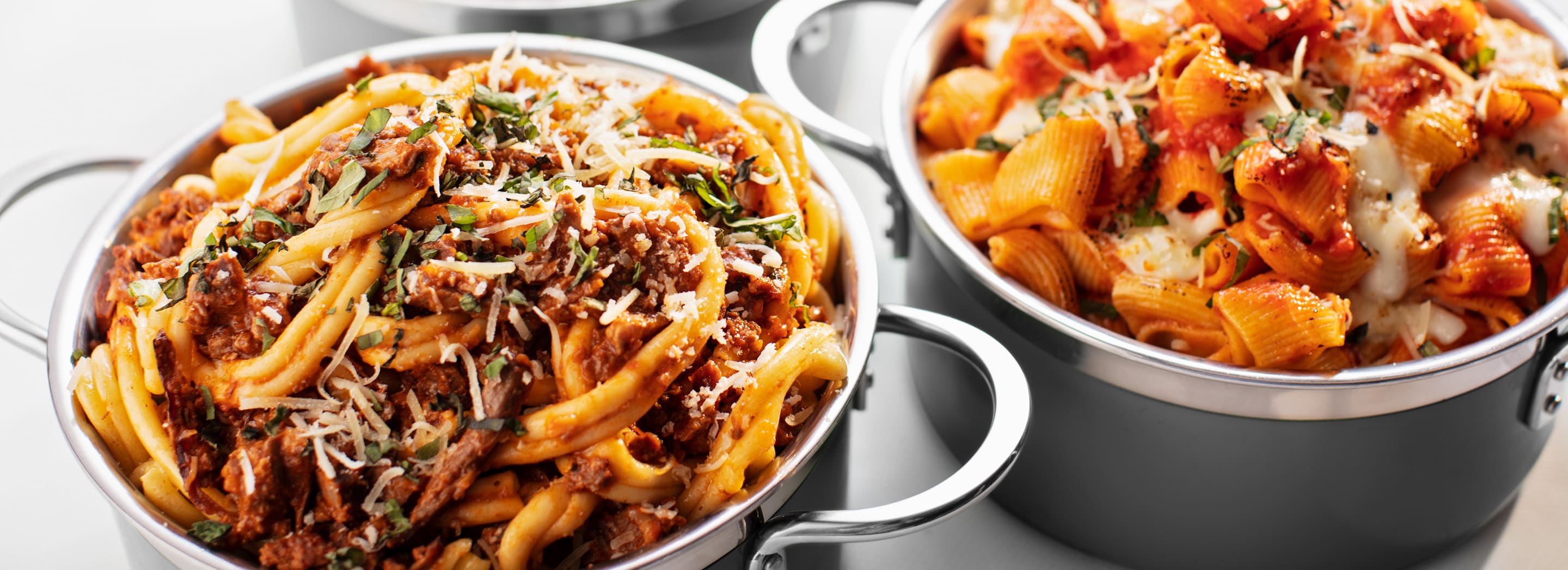
varies

Lido Market

Enjoy food stations featuring classic favorites, regional specialties, and made-to-order entrées.

buffet

Dive-In

Dive-In offers a variety of casual culinary classics, using the highest quality ingredients. Enjoy a burger, grilled to perfection and served on a toasted brioche with our own trade-marked secret sauce. Savor a succulent Nathan’s Famous gourmet hot dog with golden French fries. Or choose a grilled chicken breast sandwich or juicy portabella mushroom stack. Dive-In is the perfect spot to dine poolside on the best burgers at sea.
room

24-Hour Room Service

Freshly prepared breakfast, lunch, dinner, and late-night favorites delivered right to your door.
Bar

Ocean Bar

Taste handcrafted cocktails and dance the night away at Ocean Bar - a lively lounge perched above the atrium.
Bar, Nightclub

Crow's Nest

Relax in the Crow's Nest, a panoramic lounge high above the sea. Sip your favorite drink and soak in stunning views.
Lounge

Explorer's Lounge

Relax in an elegant and refined space on board where you can enjoy a glass of wine, a cocktail, or your favorite liqueur.

Cinema, Theatre, Musicians

World Stage

Bold visuals, dynamic choreography, dazzling costumes, and unforgettable music unite in spectacular shows spanning genres and generations.

Musicians

Billboard Onboard

Join the biggest sing-along at sea, test your music knowledge at themed trivia events, and enjoy “All Request” performances featuring classics, and crowd favorites.

Casino

Casino Action

Your Holland America Line ship’s Casino offers a wide array of gaming options. Whether you prefer slot machines or want to try your hand at blackjack or poker, our dealers and staff are available to provide complimentary instruction — and we offer many engaging tournament options. The Casino is only open at sea.
Shop

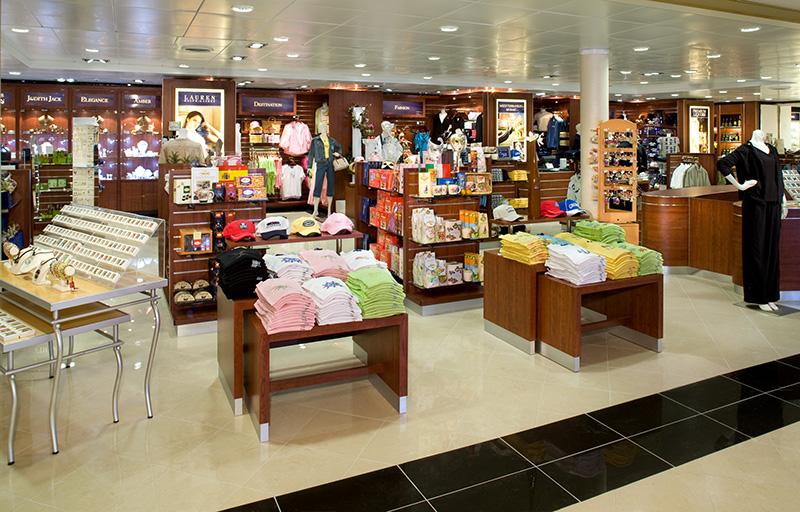
The Signature Shops

Shop duty-free for designer watches and Effy jewelry, then capture memories with expertly crafted photo keepsakes.
Spa

Greenhouse Spa & Salon

Spa & Salon Services

From personalized massages and revitalizing facials to holistic wellness rituals, expert salon styling, and Elemis products, our Spa & Salon delivers restorative relaxation at sea.​

Gym, Exercise Class, Sports Court

Fitness Centre

All Holland America ships have a Fitness Center featuring the latest in workout equipment as well as free weights, instructor led classes, and optional personal training.
Pool, Whirlpool/Jacuzzi

Lido & Sea View Pool

The Sea View Pool aft of deck 9 is the ship's open air pool featuring two whirlpools and served by the Sea View Bar and Slice the pizzeria.

The pool itself has a shallow area around the edge of it for sitting in to cool down. This pool is designated for adults only.

The Lido Pool is also located midship on deck 9. It has 3 hot tubs and is protected by a retractable glass dome cover during inclement weather. It is served by the Lido Bar and Trident Grill for light meals and has a bandstand for live entertainment. 
Sports Court

Pickleball At Sea

Whether you're new to the game or a pro, each Holland America ship offers one or two ocean-view courts, so you can serve, volley, and score while sailing the world.

Kids Programs (Ages 3-6)

A world of supervised fun awaits — arts & crafts, sports, and games — all designed to spark creativity and help kids build real friendships at sea.
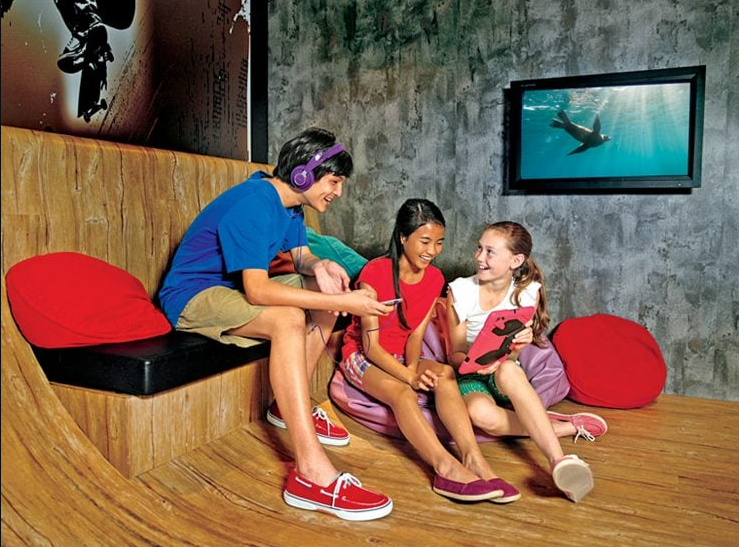
Tweens Programs (Ages 7-11)

From arts & crafts and sporting events to video gaming tournaments and movie nights, there's plenty to keep tweens engaged.
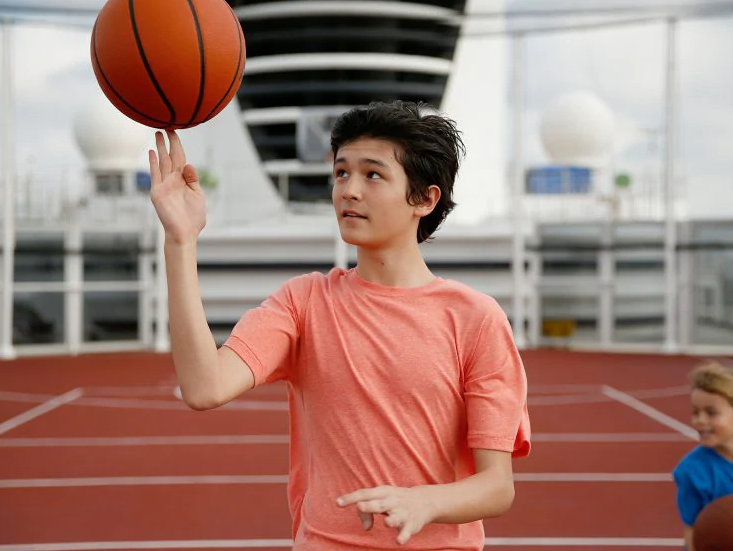
Teens Programs (Ages 12-17)

Teens connect through sports, group games, movie nights, and dedicated hangouts, plus exclusive evening events like video game tournaments.

Special Needs

Children with special needs are welcome in Kids Club by age. Some activities may require parental support — please share needs at booking.
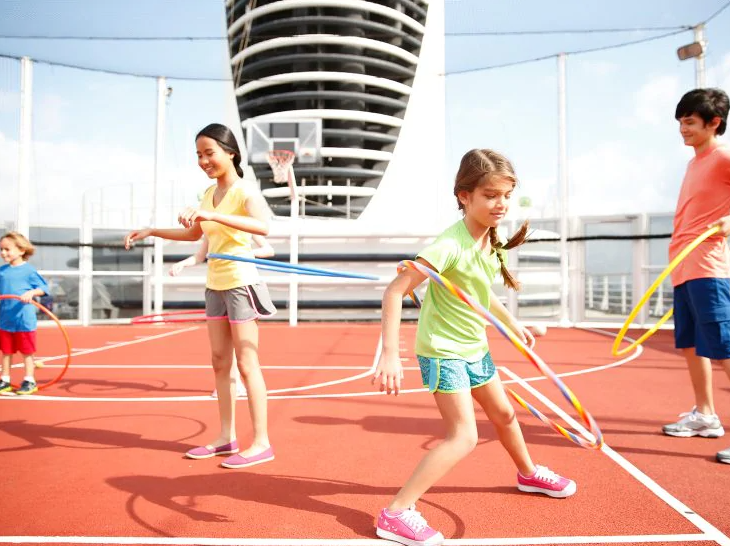
Port Day Activities

Kids Club activities are available from 9 a.m. to 12 p.m. and 1 p.m. to 4 p.m. on port days*. Lunch is not offered as part of this service. Children must be registered and signed into and out of programming by a parent or guardian.

*Hours of operation may change to better serve our guests.